What Are the 10 Mistakes Young Doctors Make in Patient Care?
TL;DR
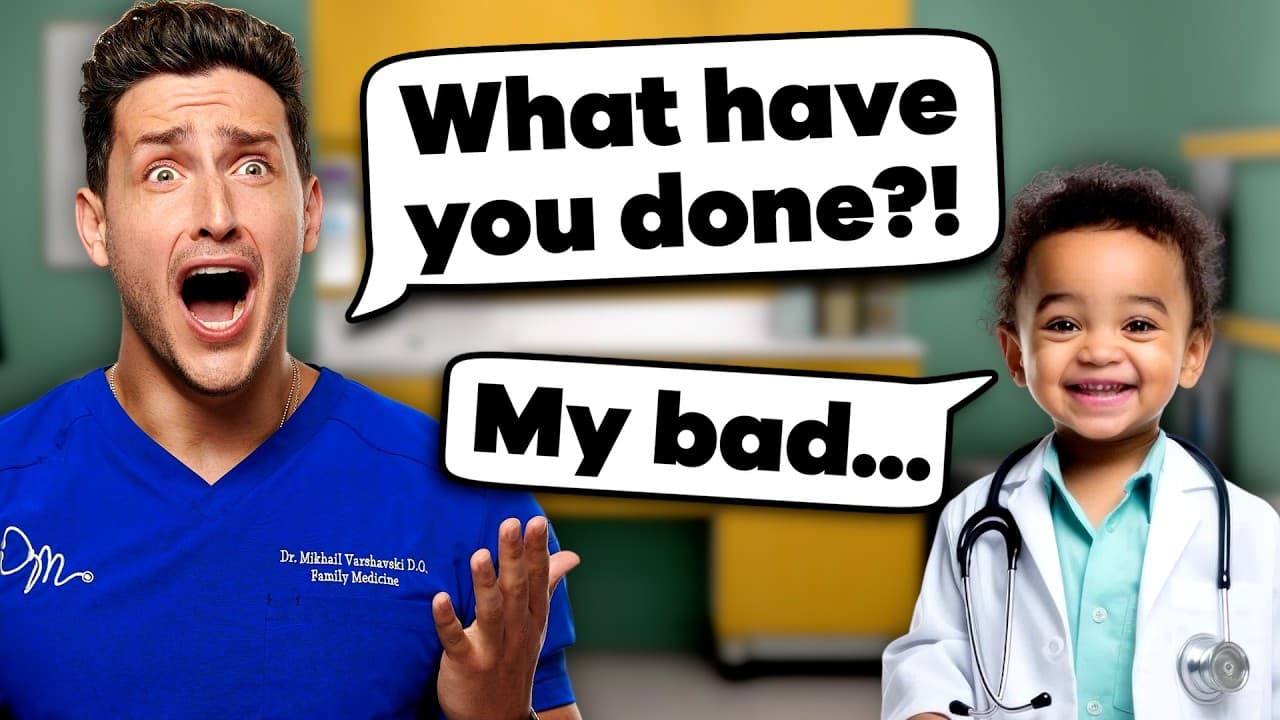
Young doctors commonly make ten critical mistakes in patient care, including trying to address multiple issues in one visit and overemphasizing lab numbers over holistic assessments. They often neglect the importance of understanding treatment rationale and fail to apply general medical guidelines to individual patients. Prioritizing communication, reassurance, and self-care can greatly enhance their effectiveness and patient trust.
Transcript
- It's officially my 10-year anniversary of becoming a doctor, and over the last 10 years, I've treated thousands of patients, but I've also trained many doctors on seeing thousands of patients, and I see the same themes coming up of young doctors repeating the same mistakes. So today I thought it would be cool to talk about the 10 most common mist... Read More
Key Insights
- 👨⚕️ Young doctors often attempt to tackle numerous patient concerns in a single appointment, risking overload for both themselves and their patients.
- 🥺 A heavy reliance on lab numbers can detract from holistic patient evaluation, leading to oversights in assessing well-being.
- ❓ Understanding the rationale behind treatments is essential for effective patient communication and shared decision-making.
- ❓ Awareness and acknowledgment of personal biases can significantly improve conversations with patients about sensitive topics.
- 😨 Doctor self-care is crucial; neglecting their own health can adversely affect patient care quality.
- 🎓 Reassurance and education are valuable components of treatment, enhancing patient trust and management of conditions.
- ❓ Young physicians should actively seek out leadership opportunities to elevate their influence in the healthcare system.
Install to Summarize YouTube Videos and Get Transcripts
Explore YouTube Video Summarizer or Get YouTube Transcript Extractor
Questions & Answers
Q: What common mistake do young doctors make regarding patient visits?
One significant mistake is the desire to resolve all patient issues in a single visit. This approach can overwhelm patients with information and lead to incomplete assessments. It's essential for doctors to prioritize problems, ensuring that patients can process information effectively while maintaining continuity of care across multiple visits.
Q: Why is it problematic to emphasize lab results over patient symptoms?
Young doctors often focus too much on lab results, such as thyroid levels, without considering the patient's overall condition. This can lead to unnecessary treatments for minor lab abnormalities while ignoring the patient’s feelings and overall health, which is vital for accurate diagnosis and treatment planning.
Q: How can young doctors improve their understanding of treatment rationale?
Young doctors should deeply understand why they prescribe certain treatments. For instance, treating strep throat is primarily to prevent complications, not just to alleviate immediate discomfort. Having a solid grasp of treatment purposes enhances their ability to communicate effectively with patients about decision-making processes.
Q: What role does bias play in a doctor's interaction with patients?
Bias can impede effective patient care, particularly when doctors avoid uncomfortable questions, such as sexual history and STI testing for patients in seemingly stable relationships. Acknowledging personal biases and actively including thorough health screenings regardless of assumptions ensures more comprehensive care and better patient outcomes.
Q: How do young doctors typically neglect their own well-being?
Many young doctors overlook their health and safety amid patient care, risking their comfort and effectiveness. They may work in awkward positions that lead to physical strain or neglect safety protocols with medical sharps, which can result in injury. Fostering self-care and proper ergonomics is crucial for sustaining their ability to care for patients.
Q: What is the misconception about reassurance in patient care?
A frequent misconception is that reassurance alone does not constitute effective patient care. However, providing patients with reassurance and education about their conditions, even without prescribing treatments, can significantly enhance their experience and understanding, empowering them to manage their health independently.
Q: What is the significance of leadership roles for young doctors in healthcare?
Leadership roles are becoming increasingly important for young doctors, as they hold the potential to influence healthcare policies and improve patient care systems. By participating in leadership, doctors can advocate for changes that enhance both patient and provider experiences, challenging a system that often feels disconnected from clinical realities.
Q: Why is continuous learning vital for young doctors?
Continuous learning allows young doctors to stay current with medical practices and patient care strategies. Engaging in educational opportunities, such as CME credits or mentorship, helps them refine skills and adapt to evolving healthcare environments, ensuring they remain effective and relevant in their practice.
Summary & Key Takeaways
-
The speaker, a seasoned doctor, reflects on his ten years of experience, focusing on the prevalent mistakes made by young doctors in patient care, emphasizing the importance of effective communication and realistic treatment expectations.
-
He discusses the pitfalls of attempting to address multiple patient issues in one visit, leading to overwhelmed patients and poor information retention, advocating for a structured approach to consultations.
-
The importance of understanding treatment rationale and applying general guidelines to individual cases is highlighted, stressing the value of reassurance and education as essential components of medical treatment.
Read in Other Languages (beta)
Share This Summary 📚
Summarize YouTube Videos and Get Video Transcripts with 1-Click
Try YouTube Summary with ChatGPT & Claude or YouTube Transcript Generator
Explore More Summaries from Doctor Mike 📚



Summarize YouTube Videos and Get Video Transcripts with 1-Click
Try YouTube Summary with ChatGPT & Claude or YouTube Transcript Generator