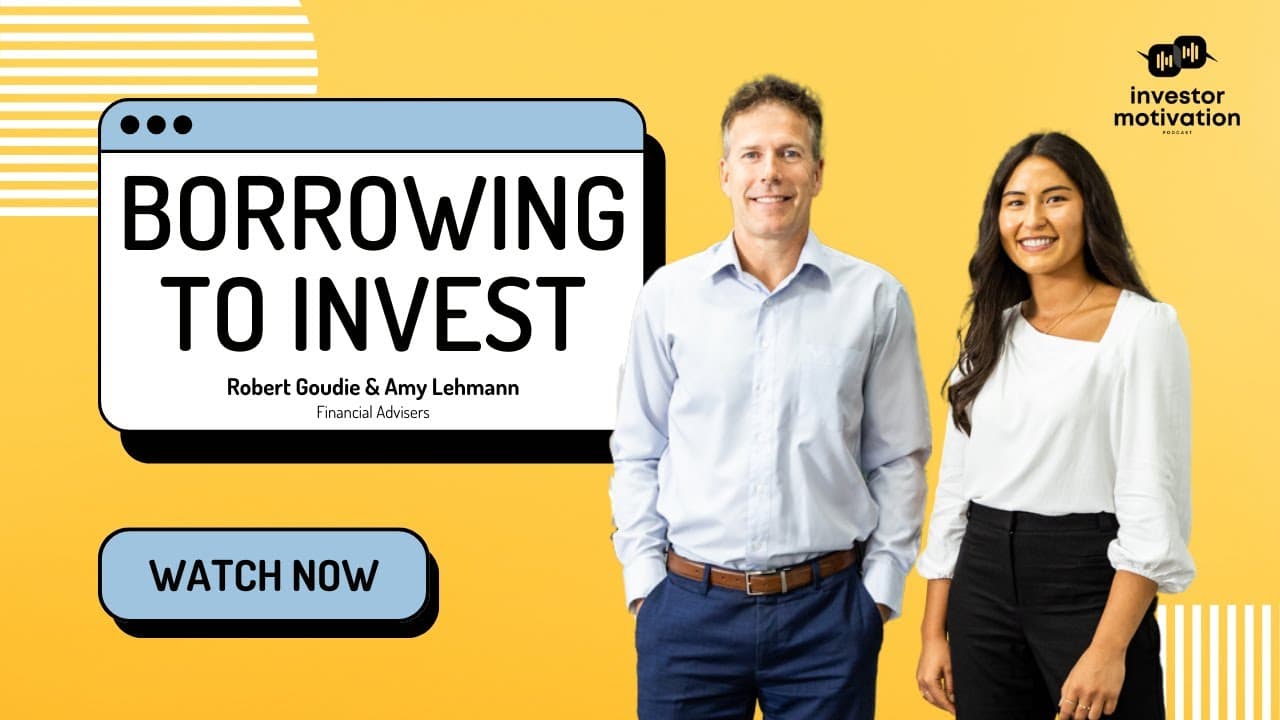
Borrowing to Invest
TL;DR
Borrowing to invest in ETFs can amplify returns and provide diversification, but it comes with risks and should be done carefully.
Transcript
good day and welcome to the invest motivation podcast my name is Robert gy and Amy L again good day Amy how are you surprise what what happened last week last week we were supposed to record a podcast and we did not yeah and we both looked back and we couldn't work out why it didn't happen um we must have been elbow deep in lots of stuff at work ye... Read More
Key Insights
- 🔬 Borrowing to invest in ETFs can provide opportunities for amplified returns and diversification.
- 👪 Different methods of borrowing, such as margin loans and home equity loans, have varying levels of risk and potential costs.
- ❓ The emotional and mental stress of managing debt and potential market downturns should be carefully considered.
- *️⃣ Proper risk management and financial stability are key to successful borrowing and investing.
- ☠️ It is important to thoroughly research and understand the terms and conditions of borrowing options, including interest rates and fees.
- 🍉 Borrowing should be done in a strategic and cautious manner, taking into account personal circumstances and long-term investment goals.
- 💄 Seeking professional advice from a non-conflicted advisor is crucial to making informed decisions.
Install to Summarize YouTube Videos and Get Transcripts
Explore YouTube Video Summarizer or Get YouTube Transcript Extractor
Questions & Answers
Q: What are the benefits of borrowing to invest in ETFs?
Borrowing can amplify returns and growth by increasing investment exposure. It also offers diversification, potential tax advantages, and flexible borrowing options.
Q: What are the risks associated with borrowing to invest in ETFs?
The main risk is the potential for losses if the market declines, as the borrower is still responsible for repaying the loan. Margin calls and the loss of collateral can also be significant risks.
Q: Are there alternatives to borrowing that can achieve similar results?
Yes, alternatives include investing in ETFs through regular contributions, maximizing superannuation contributions for tax efficiency, and focusing on long-term growth strategies.
Q: What should individuals consider before borrowing to invest in ETFs?
Factors to consider include personal cash flow, risk tolerance, ability to handle margin calls, and the potential impact on overall financial stability. Seeking professional advice is crucial.
Summary & Key Takeaways
-
Borrowing to invest in ETFs can amplify returns and growth due to increased exposure to the market.
-
Diversification is a key benefit, as ETFs provide exposure to a wide range of assets, reducing risk.
-
There are different methods of borrowing, including margin loans, home equity loans, personal loans, and lines of credit.
Read in Other Languages (beta)
Share This Summary 📚
Summarize YouTube Videos and Get Video Transcripts with 1-Click
Try YouTube Summary with ChatGPT & Claude or YouTube Transcript Generator
Explore More Summaries from Investor Motivation 📚





Summarize YouTube Videos and Get Video Transcripts with 1-Click
Try YouTube Summary with ChatGPT & Claude or YouTube Transcript Generator