Increased Blindness Associated with mRNA Vaccines
TL;DR
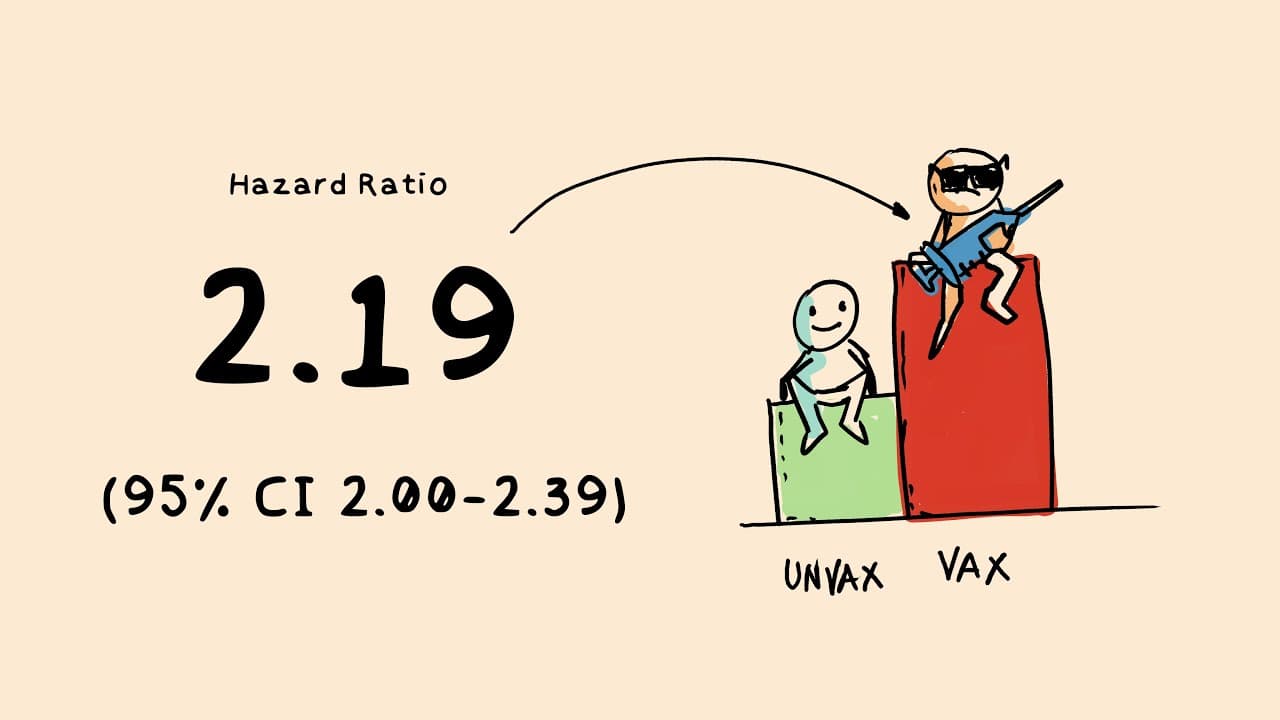
A study conducted by Taiwanese and Stanford researchers found that mRNA vaccinated individuals had more than twice the hazard ratio for retinal vascular occlusion compared to unvaccinated individuals.
Transcript
welcome to one more show so today we'll discuss the study that is conducted by the Taiwanese researchers with Stanford U.S researchers the data is from the U.S population and millions of patients were included in it not patients really they were the vaccinated versus unvaccinated individuals and what the researchers found was that in the vaccinated... Read More
Key Insights
- 🥳 Retinal vascular occlusion risk was significantly higher in mRNA vaccinated individuals compared to unvaccinated individuals, with a hazard ratio of 2.19.
- 🤕 The increased risk was observed even after a two-year period and was not influenced by age or comorbidities.
- 😒 Lifestyle choices, such as drug use, were not a significant contributing factor to the increased risk.
- ✋ The risk was highest within the first two weeks after vaccination and persisted for 12 weeks.
- ⚾ The study focused on mRNA-based vaccines and did not provide information about the risk associated with adenovirus-based vaccines.
- 😣 Retinal vascular occlusion poses a severe threat to vision, especially in cases of venous occlusion.
- 🌥️ The study used a large cohort of vaccinated and unvaccinated individuals from the US population to ensure accurate comparisons.
Install to Summarize YouTube Videos and Get Transcripts
Explore YouTube Video Summarizer or Get YouTube Transcript Extractor
Questions & Answers
Q: Did the study consider the type of vaccine used, such as adenovirus-based vaccines?
No, the study focused specifically on mRNA-based vaccines and did not provide information about the risk associated with adenovirus-based vaccines.
Q: Is the increased risk of retinal vascular occlusion related to age or comorbidities?
The study conducted a thorough analysis and found that age and comorbidities were not the driving factors behind the increased risk. The hazard ratio remained consistent regardless of age or existing health conditions.
Q: Could lifestyle choices, like drug use, contribute to the increased risk?
The study excluded patients who were taking drugs that could potentially cause vascular occlusions, ensuring a clean comparison between vaccinated and unvaccinated individuals. Therefore, lifestyle choices did not seem to be a factor.
Q: What is the significance of the hazard ratio of 2.19?
The hazard ratio of 2.19 indicates that the risk of retinal vascular occlusion was more than two times higher in mRNA vaccinated individuals compared to unvaccinated individuals.
Key Insights:
- Retinal vascular occlusion risk was significantly higher in mRNA vaccinated individuals compared to unvaccinated individuals, with a hazard ratio of 2.19.
- The increased risk was observed even after a two-year period and was not influenced by age or comorbidities.
- Lifestyle choices, such as drug use, were not a significant contributing factor to the increased risk.
- The risk was highest within the first two weeks after vaccination and persisted for 12 weeks.
- The study focused on mRNA-based vaccines and did not provide information about the risk associated with adenovirus-based vaccines.
- Retinal vascular occlusion poses a severe threat to vision, especially in cases of venous occlusion.
- The study used a large cohort of vaccinated and unvaccinated individuals from the US population to ensure accurate comparisons.
- The researchers emphasized that the study does not establish a causal association between vaccination and retinal vascular occlusion but highlights an observed increased risk.
Summary & Key Takeaways
-
The study examined data from millions of vaccinated and unvaccinated individuals in the US population and found that mRNA vaccinated individuals had a hazard ratio of 2.19 for retinal vascular occlusion.
-
The increased risk was observed even after a two-year period and was not influenced by age, comorbidities, or the use of potentially causative drugs.
-
The risk was highest within the first two weeks after vaccination and persisted for 12 weeks.
Read in Other Languages (beta)
Share This Summary 📚
Summarize YouTube Videos and Get Video Transcripts with 1-Click
Try YouTube Summary with ChatGPT & Claude or YouTube Transcript Generator
Explore More Summaries from Drbeen Medical Lectures 📚

Summarize YouTube Videos and Get Video Transcripts with 1-Click
Try YouTube Summary with ChatGPT & Claude or YouTube Transcript Generator