What Are Capital Gains Taxes and How Are They Calculated?
TL;DR
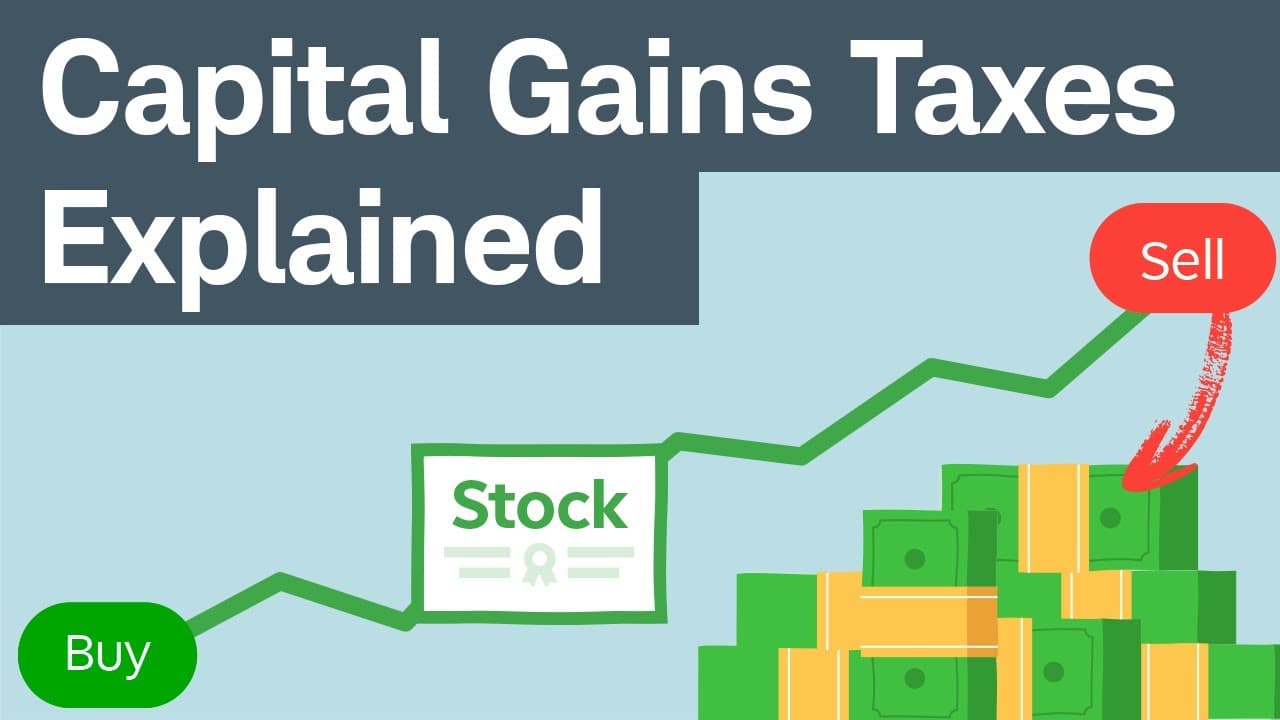
Capital gains taxes are incurred when selling an asset for more than its purchase price. The tax rate depends on the holding period: short-term gains, realized within a year, are taxed as ordinary income, while long-term gains, held for over a year, benefit from lower rates. Strategies like tax-loss harvesting and using tax-advantaged accounts can help minimize these taxes.
Transcript
One of the main ways to profit from investing is to buy assets at one price and then sell them at a higher price. These types of profits are known as capital gains. As with most kinds of profits, they’re subject to taxes. Taxes can impact the growth of your portfolio, so it’s important to understand how capital gains taxes work and learn some strat... Read More
Key Insights
- 🥹 Capital gains taxes are incurred when selling assets at a higher price than purchase, and different tax rates apply based on the holding period and income level.
- 🚕 Short-term capital gains are taxed at ordinary income tax rates, while long-term capital gains have lower tax rates.
- 🚕 Maximizing tax-advantaged accounts and utilizing tax-loss harvesting strategies can help minimize capital gains taxes.
Install to Summarize YouTube Videos and Get Transcripts
Explore YouTube Video Summarizer or Get YouTube Transcript Extractor
Questions & Answers
Q: How are capital gains taxes calculated?
Capital gains taxes are calculated based on the profit you made from selling an investment. For short-term gains, it is taxed at your ordinary income tax rate, while long-term gains have lower tax rates depending on your income level.
Q: Can capital gains push me into a higher tax bracket?
Yes, if your capital gains push your income above the limit for a certain tax bracket, you will be taxed at the higher rate for that bracket. It's important to consider this when planning your investments.
Q: Are there any tax advantages for holding investments long-term?
Yes, long-term capital gains are generally taxed at lower rates compared to short-term gains. By holding investments for more than a year, you can potentially minimize your tax liability.
Q: How can I minimize capital gains taxes?
Some strategies to minimize capital gains taxes include investing in tax-advantaged accounts like retirement or education accounts, maximizing losses to offset gains, and considering the holding period of your investments.
Summary & Key Takeaways
-
Capital gains taxes are incurred when you sell an asset, such as stocks or real estate, at a higher price than you bought it for.
-
The tax rate for capital gains depends on how long you held the investment and your income level.
-
Short-term capital gains (held for one year or less) are taxed at your ordinary income tax rate, while long-term capital gains (held for more than one year) have lower tax rates.
Read in Other Languages (beta)
Share This Summary 📚
Summarize YouTube Videos and Get Video Transcripts with 1-Click
Try YouTube Summary with ChatGPT & Claude or YouTube Transcript Generator
Explore More Summaries from Charles Schwab 📚






Summarize YouTube Videos and Get Video Transcripts with 1-Click
Try YouTube Summary with ChatGPT & Claude or YouTube Transcript Generator