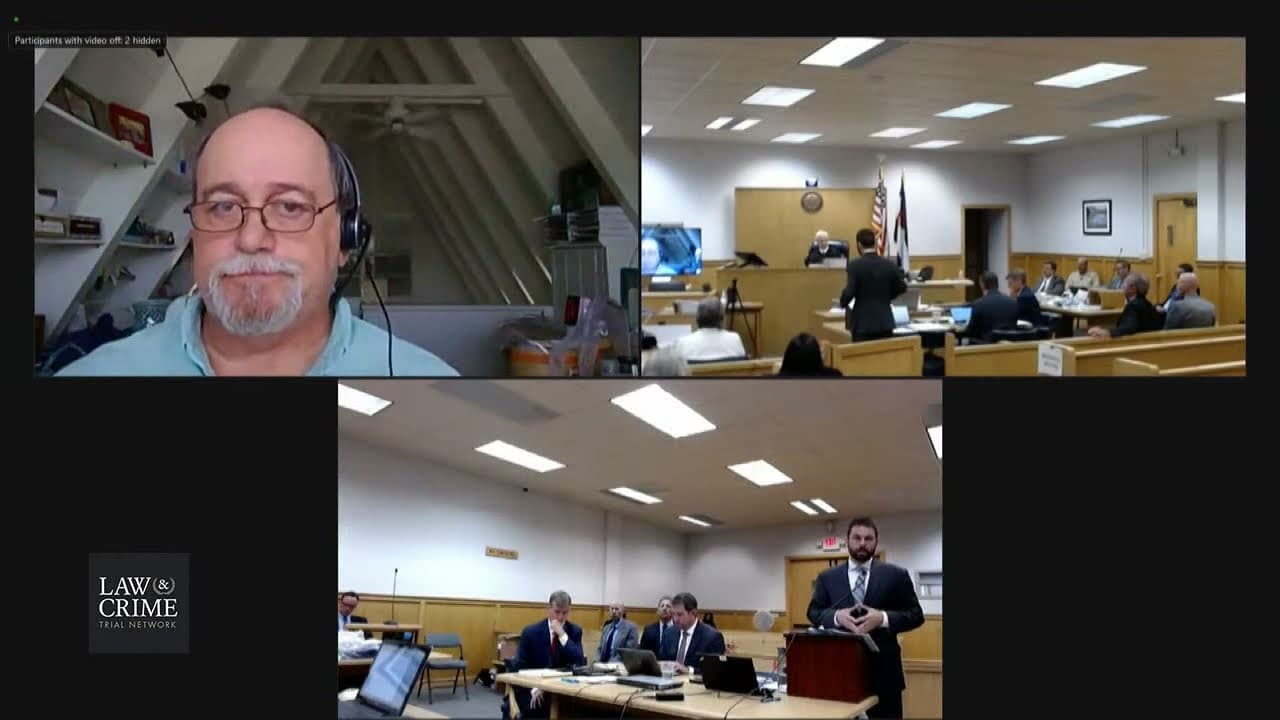
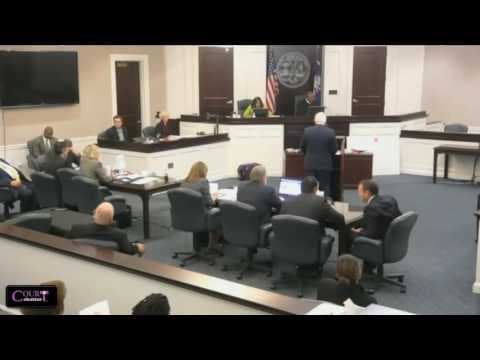
Mark Redwine Trial Day 15 - Cross Exam Of Dr. James Ha, PhD - Animal Behavior Expert
TL;DR
Expert witness testifies about residual odor detection and cadaver dogs, highlighting gaps in report writing and certifications.
Transcript
um all right make sure mr johnson thank you your honor good morning dr ha hello can you hear me well yes i can so dr howe you didn't write a report in this case did you i did not and we've been asking for it since we talked on june 19th of 2019 correct objection your honor that's beyond what this witness can testify about that's between the parties... Read More
Key Insights
- 💱 Residual odor detection poses challenges due to the changing composition of volatile organic compounds.
- 🙈 Certification, training protocols, and blind testing are crucial for improving the reliability of cadaver dogs.
- 🤵 Concerns over cueing and handler experience impact the accuracy of cadaver dog alerts.
- 💁 Scientific evidence regarding residual odor detection is limited but essential for informing expert opinions.
- 🤵 Dr. Howe emphasizes the need for consistent standards and proper documentation in cadaver dog training and certification.
- 🤵 The court case highlights the complexities of interpreting cadaver dog alerts based on residual odor presence.
- 🤵 Challenges in correlating cadaver dog alerts with physical evidence underscore the limitations of canine detection methods.
Install to Summarize YouTube Videos and Get Transcripts
Explore YouTube Video Summarizer or Get YouTube Transcript Extractor
Questions & Answers
Q: Why did Dr. Howe not write a report in the case?
Dr. Howe stated that he was asked for a report but did not write one, as he believes the evidence is insufficient for a report.
Q: What are Dr. Howe's primary concerns about the cadaver dog and handler team in the case?
Dr. Howe's concerns include potential cueing, time passed since detection, and lack of certification for the handler and dog.
Q: How does the concept of residual odor impact the reliability of cadaver dogs?
Residual odor presents challenges as the composition changes over time, leading to uncertainties in the accuracy of cadaver dogs' alerts.
Q: What scientific principles does Dr. Howe rely on regarding residual odor detection?
Dr. Howe bases his opinions on studies of volatile organic compounds associated with decomposition and their decomposition rates over time.
Summary & Key Takeaways
-
Dr. Howe testifies as an expert witness about residual odor detection and cadaver dogs.
-
He points out concerns regarding report writing, certifications, and research in the field.
-
Questioning revolves around training protocols, certification processes, and reliability of cadaver dogs.
Read in Other Languages (beta)
Share This Summary 📚
Summarize YouTube Videos and Get Video Transcripts with 1-Click
Try YouTube Summary with ChatGPT & Claude or YouTube Transcript Generator
Explore More Summaries from Law&Crime Network 📚
Summarize YouTube Videos and Get Video Transcripts with 1-Click
Try YouTube Summary with ChatGPT & Claude or YouTube Transcript Generator