How to Use Surfer SEO's New Content Score
TL;DR
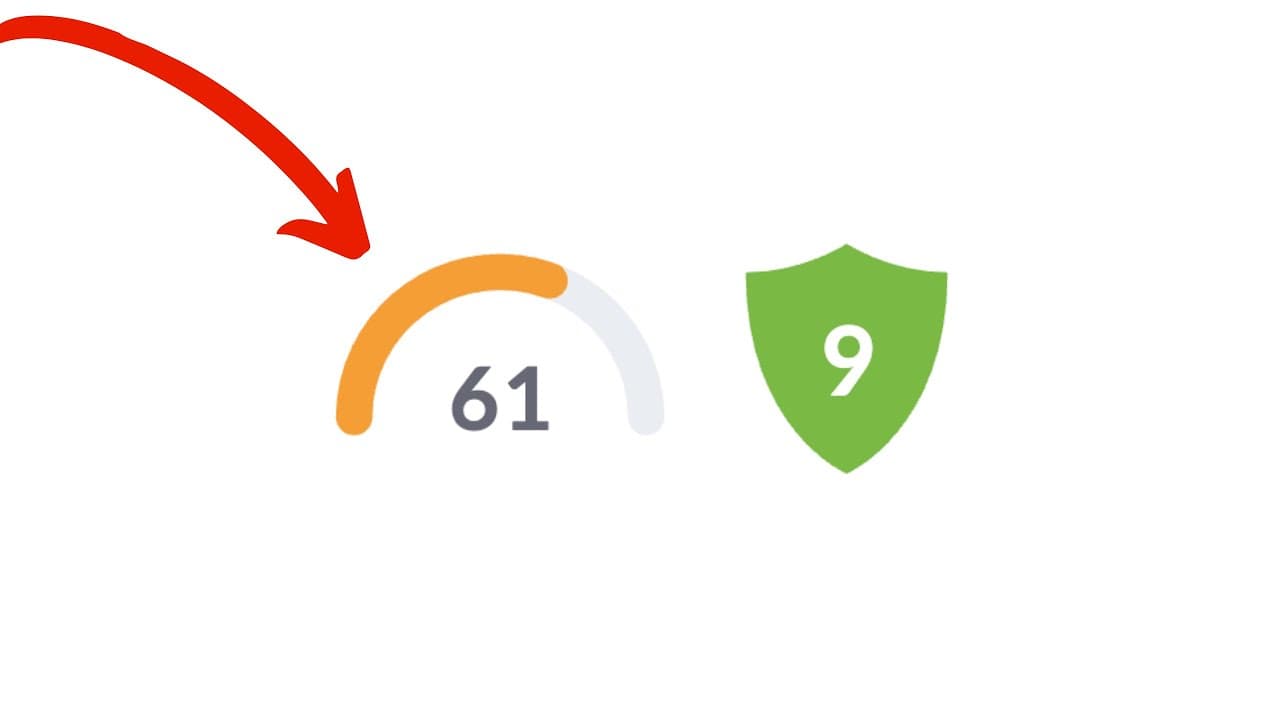
Surfer SEO's new Content Score metric evaluates pages on a scale from 0 to 100, helping users optimize content for better Google rankings. A score of 67 and above indicates high-quality content. The tool also highlights the importance of domain authority and backlinks in SEO success.
Transcript
- [Instructor] Hey, what's going on guys? So I'm super excited to show you this brand new metric that Surfer just put out. So I do think that this is going to be one of the best metrics for not only qualifying your keywords, but also helping you create really great content that will actually rank on the first page of Google. And so I am super excit... Read More
Key Insights
- Surfer SEO's Content Score ranges from 0 to 100, assessing content quality and relevance.
- A score of 67-100 indicates good quality content that can rank well on Google.
- The metric helps identify whether content is optimized for specific keywords.
- Domain authority and backlinks are crucial for SEO success, often outweighing content quality alone.
- Natural Language Processing (NLP) is used to evaluate keyword variations in content.
- The SERP analyzer tool helps determine content and domain scores for targeted keywords.
- Improving domain authority can be more impactful than enhancing content scores alone.
- Identifying keywords with low competition and weak domain scores can yield better SEO results.
Install to Summarize YouTube Videos and Get Transcripts
Explore YouTube Video Summarizer or Get YouTube Transcript Extractor
Questions & Answers
Q: How does Surfer SEO's Content Score work?
Surfer SEO's Content Score evaluates web pages on a scale from 0 to 100, measuring content quality and relevance for specific keywords. A score between 67 and 100 indicates high-quality content that is likely to rank well on Google. The score is determined by factors such as keyword placement, use of variations, and Natural Language Processing (NLP).
Q: What does a high Content Score indicate?
A high Content Score, ranging from 67 to 100, indicates that the content is of good quality and relevance for the targeted keyword. This suggests that the page is well-optimized and has a better chance of ranking higher on Google search results. However, domain authority and backlinks also play a crucial role in search rankings.
Q: Why is domain authority important in SEO?
Domain authority is important in SEO because it reflects the overall strength and credibility of a website. High domain authority often correlates with better search engine rankings, as search engines view these sites as more trustworthy. In some cases, domain authority can outweigh content quality, making it a crucial factor for SEO success.
Q: How can I improve my page's Content Score?
To improve your page's Content Score, focus on optimizing your content for specific keywords, including using variations and Natural Language Processing (NLP). Ensure that keywords are placed strategically in titles, headers, and throughout the text. Additionally, increasing domain authority and acquiring quality backlinks can enhance your page's overall SEO performance.
Q: What is the role of Natural Language Processing in SEO?
Natural Language Processing (NLP) in SEO helps analyze and understand the context and variations of keywords within content. It enables search engines to recognize the relevance of content beyond exact keyword matches, considering synonyms and related terms. Using NLP can improve content optimization by ensuring that it aligns with how users naturally search for information.
Q: How can Surfer SEO's SERP analyzer tool help in keyword optimization?
Surfer SEO's SERP analyzer tool helps in keyword optimization by providing Content and Domain Scores for targeted keywords. It allows users to assess how well their content is optimized compared to competitors. The tool highlights the importance of keyword placement, domain authority, and backlinks, guiding users to focus on areas that can improve their search rankings.
Q: What strategy should be used for targeting keywords with Surfer SEO?
When targeting keywords with Surfer SEO, focus on identifying those with low competition and weak domain scores. These keywords offer better opportunities for ranking improvements. Ensure that your content is well-optimized with strategic keyword placement and variations. Additionally, work on enhancing your domain authority and acquiring quality backlinks to strengthen your SEO strategy.
Q: Why might high-quality content not always rank well on Google?
High-quality content might not always rank well on Google due to factors like low domain authority and insufficient backlinks. Search engines consider the overall credibility of a website, meaning that even the best content may struggle to rank if the site lacks authority. Improving domain strength and backlink profiles can help address this issue.
Summary & Key Takeaways
-
Surfer SEO's new Content Score metric evaluates web pages based on content quality and relevance, scoring them from 0 to 100. A score above 67 indicates high-quality content. This tool can guide users in optimizing their pages for better Google rankings by focusing on keyword placement, domain authority, and backlinks.
-
The Content Score metric is part of Surfer SEO's SERP analyzer tool, which assesses how well a page is optimized for specific keywords. It emphasizes the significance of domain authority and backlinks, which can sometimes outweigh content quality in determining search rankings.
-
To effectively use Surfer SEO's Content Score, users should focus on keyword optimization, including the use of variations and Natural Language Processing (NLP). Identifying keywords with low competition and weaker domain scores can provide better opportunities for ranking improvements.
Read in Other Languages (beta)
Share This Summary 📚
Summarize YouTube Videos and Get Video Transcripts with 1-Click
Try YouTube Summary with ChatGPT & Claude or YouTube Transcript Generator
Explore More Summaries from Nathan Gotch 📚





Summarize YouTube Videos and Get Video Transcripts with 1-Click
Try YouTube Summary with ChatGPT & Claude or YouTube Transcript Generator