Susan E. Mango, "Cells, membranes, cholesterol and temperature control"
TL;DR
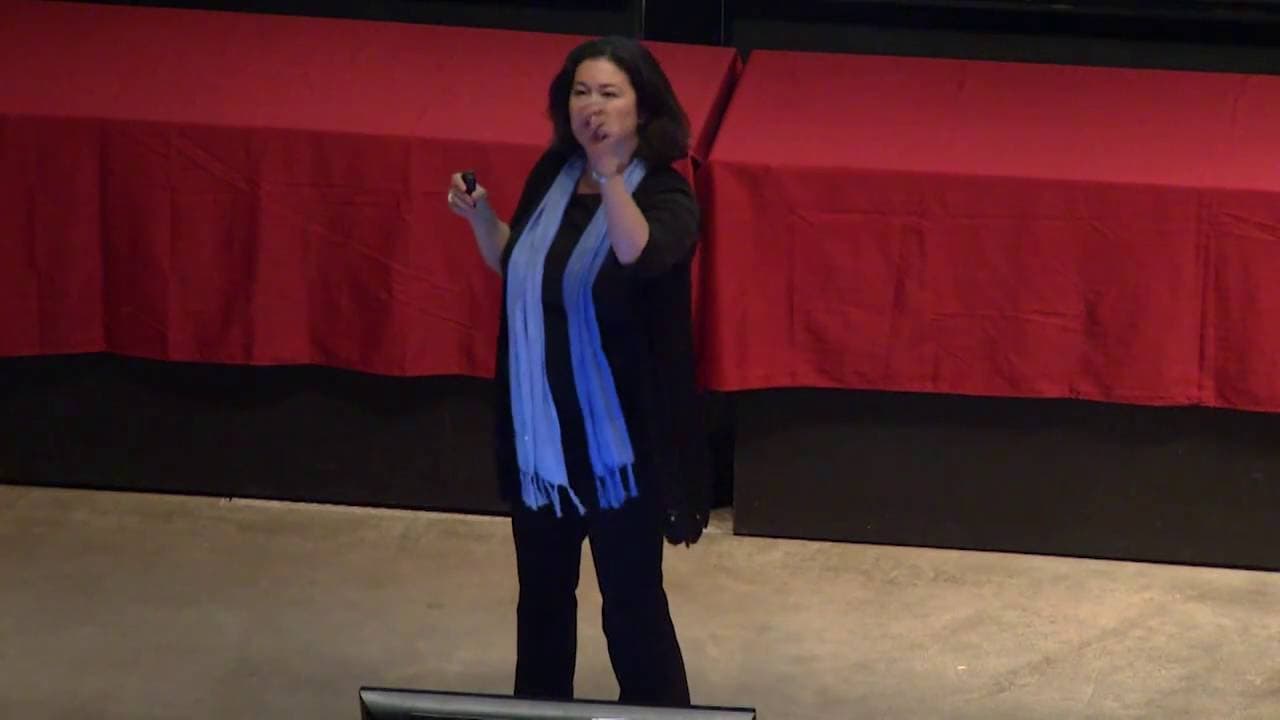
This lecture explores the structure and function of membranes in cells, the role of cholesterol in membrane fluidity, and the importance of proteins in cell communication.
Transcript
well let's get the part this part that's less interesting over hi welcome hi thank you so much for coming out in this kind of crummy weather I saw hail or possibly freezing rain or possibly rain anyhow it's very blustery and I'm glad you came how many people are from Harvard oh good so all the other people are not well thank you very much for the H... Read More
Key Insights
- 👻 Membranes are essential for cell function as they compartmentalize reactions and allow cells to perform specialized functions.
- 🖐️ Cholesterol plays a crucial role in regulating membrane fluidity, preventing phase transitions, and maintaining stability in varying temperatures.
- 😑 Proteins within membranes enable cell communication by facilitating the passage of ions and other molecules.
- 🔨 GFP and other fluorescent proteins are powerful tools to visualize protein behavior and interactions within cell membranes.
- ❓ Understanding the chemistry and biology behind membranes and cholesterol can provide insights into various biological processes and diseases.
- 💪 Harvard University places a strong emphasis on teaching and engages students through interactive lectures and activities.
- 🖐️ Cholesterol is crucial for building cell membranes and plays an important role in cell communication, despite its negative reputation in popular culture.
- 👨 Research is ongoing to study the effects of salt, fat, and cholesterol on human health, with a more nuanced understanding emerging.
- 😣 Removing all cholesterol from cells would have severe consequences due to its role in cell-to-cell communication.
Install to Summarize YouTube Videos and Get Transcripts
Explore YouTube Video Summarizer or Get YouTube Transcript Extractor
Questions & Answers
Q: How do membranes help cells compartmentalize reactions?
Membranes act as barriers that separate different reactions and allow cells to perform specialized functions.
Q: What is the role of cholesterol in membranes?
Cholesterol controls membrane fluidity by inhibiting phase transitions. It decreases lipid mobility at high temperatures and disrupts lipid packing at low temperatures.
Q: How do proteins contribute to cell communication?
Proteins embedded in membranes facilitate the passage of ions and other molecules, allowing cells to send signals and communicate with each other.
Q: How does fluorescent protein GFP help visualize protein behavior in membranes?
GFP, when attached to specific proteins, can emit green fluorescence when exposed to blue light, helping researchers observe protein movement and interactions within membranes.
Summary & Key Takeaways
-
The lecture discusses the structure of membranes and how they help compartmentalize reactions within cells.
-
Cholesterol plays a crucial role in controlling membrane fluidity and preventing phase transitions.
-
The lecture also introduces the importance of proteins in cell communication and demonstrates their behavior using fluorescent proteins.
Read in Other Languages (beta)
Share This Summary 📚
Summarize YouTube Videos and Get Video Transcripts with 1-Click
Try YouTube Summary with ChatGPT & Claude or YouTube Transcript Generator
Explore More Summaries from Harvard University 📚






Summarize YouTube Videos and Get Video Transcripts with 1-Click
Try YouTube Summary with ChatGPT & Claude or YouTube Transcript Generator