How to Develop Effortless Self-Discipline
TL;DR
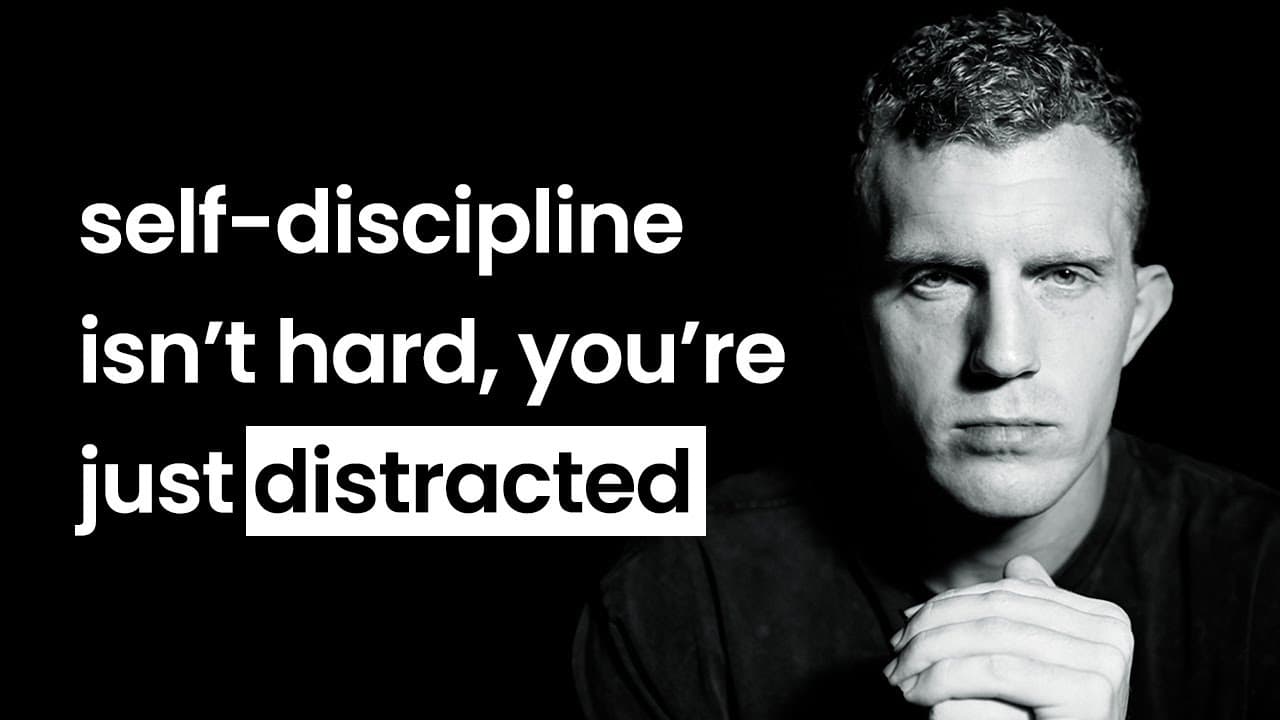
True self-discipline arises from aligning personal goals with one's identity, making challenging tasks enjoyable rather than burdensome. By understanding and reshaping one's identity, individuals can naturally gravitate towards behaviors that support their goals. This process involves recognizing current dissatisfaction, reprogramming one's mindset, and creating an environment conducive to desired habits.
Transcript
You know, when you start thinking about something and you just get unnecessarily pissed off? That's how I am right now. So excuse me if I yell at you for a second. It's nothing personal. I just am going to be completely honest with you. I want to start by asking you a question. And that question is, do you really think that successful people hated ... Read More
Key Insights
- Self-discipline is not about forcing oneself to do unwanted tasks; it's about aligning tasks with personal identity.
- Successful people find joy in activities others consider difficult because these tasks align with their identity.
- Goals are conditioned by one's environment and shape focus and memory, influencing behavior.
- The mind works to maintain the status quo unless new, compelling goals are introduced.
- Limbo, or feeling stuck, signals the need for change and can be leveraged to foster new goals.
- Pain indicates change; becoming aware of current dissatisfaction can motivate transformation.
- Discipline is discovered through experimentation and aligning habits with one's identity.
- Environment, both physical and digital, plays a crucial role in shaping and supporting one's identity.
Install to Summarize YouTube Videos and Get Transcripts
Explore YouTube Video Summarizer or Get YouTube Transcript Extractor
Questions & Answers
Q: How can I make self-discipline effortless?
Self-discipline becomes effortless by aligning your tasks with your personal identity and goals. When tasks resonate with who you are, they become enjoyable rather than burdensome. This involves recognizing current dissatisfactions, reprogramming your mindset, and creating an environment that supports your desired habits and goals.
Q: Why do successful people find difficult tasks enjoyable?
Successful people find difficult tasks enjoyable because these tasks align with their identity and goals. Their mindset is conditioned to see these tasks as integral to their personal growth and success, making them naturally inclined to pursue them without feeling burdened.
Q: What role does environment play in self-discipline?
Environment, both physical and digital, significantly influences self-discipline by shaping and supporting one's identity. A conducive environment provides the necessary cues and resources that align with one's goals, making it easier to adopt and maintain desired habits.
Q: How can I identify the goals I truly want to achieve?
Identifying the goals you truly want to achieve involves introspection and recognizing current dissatisfactions. By understanding what you dislike about your current situation and envisioning a desirable future, you can set authentic goals that resonate with your identity and aspirations.
Q: What is the importance of feeling stuck or in limbo?
Feeling stuck or in limbo is important as it signals the need for change. It's a natural part of the process that indicates current dissatisfaction with life. By leveraging this feeling, you can motivate yourself to adopt new goals and habits that align with your desired identity.
Q: How does one reprogram their mindset for better discipline?
Reprogramming your mindset for better discipline involves becoming deeply aware of your current dissatisfactions and aligning your environment and habits with your desired goals. This can be achieved through experimentation, strategic goal-setting, and immersing yourself in supportive environments.
Q: Why is experimentation crucial in developing self-discipline?
Experimentation is crucial in developing self-discipline because it allows you to discover habits and routines that align with your identity. By trying different approaches, you can identify what works best for you, making it easier to adopt and maintain behaviors that support your goals.
Q: How do conditioned goals affect behavior and focus?
Conditioned goals affect behavior and focus by shaping what you pay attention to and how you interpret information. They are ingrained through environmental influences and dictate your actions, often maintaining the status quo unless consciously altered to align with your true desires.
Summary & Key Takeaways
-
Self-discipline becomes effortless when personal goals are aligned with one's identity. Successful individuals enjoy tasks others deem difficult because these tasks resonate with their identity. By understanding this, one can reprogram their mindset to embrace challenges naturally.
-
People are naturally disciplined towards goals conditioned by their environment, shaping their focus and behavior. To achieve desired goals, one must recognize and alter these conditioned goals, aligning them with their true desires.
-
Feeling stuck or in limbo is a sign that change is needed. By becoming deeply aware of current dissatisfaction and reprogramming one's environment and mindset, individuals can adopt new habits that align with their desired identity.
Read in Other Languages (beta)
Share This Summary 📚
Summarize YouTube Videos and Get Video Transcripts with 1-Click
Try YouTube Summary with ChatGPT & Claude or YouTube Transcript Generator
Explore More Summaries from Dan Koe 📚






Summarize YouTube Videos and Get Video Transcripts with 1-Click
Try YouTube Summary with ChatGPT & Claude or YouTube Transcript Generator