On the front lines of policy
TL;DR
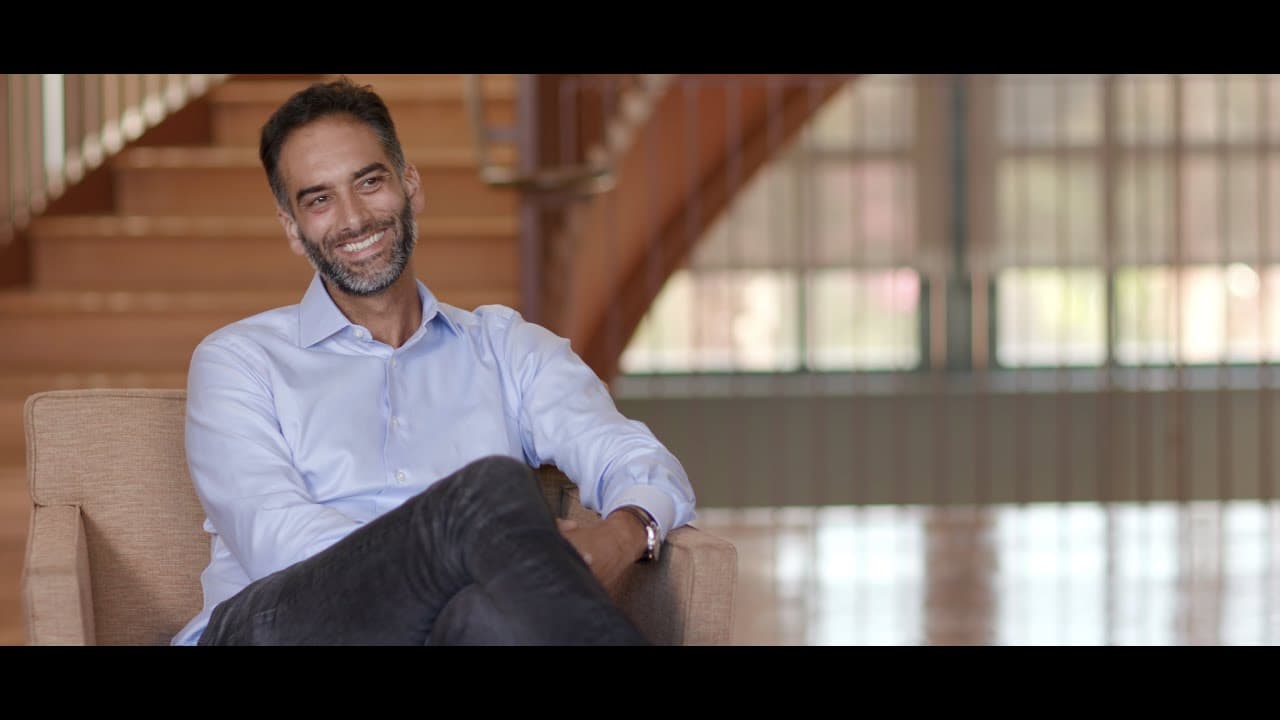
This content discusses the importance of connecting academic research and policy-making, as described by an economist who worked in the National Economic Council under the Obama administration.
Transcript
remember being freshman in high school and starting to regularly read the newspaper read The Economist I found economics like this incredibly powerful framework for for thinking about policy the economic theory helped me cut through sort of the talking points and understand the basic tradeoffs the unintended consequences the empirical evidence that... Read More
Key Insights
- 🤔 Economics provides a powerful framework for thinking about policy, cutting through talking points and anecdotal evidence.
- 💁 Bridging the gap between academic research and policy-making is essential to inform decision-making based on evidence.
- 👻 Working in the National Economic Council allows for engagement with experts, fast-paced problem-solving, and the opportunity to impact the most difficult and consequential problems in the country.
Install to Summarize YouTube Videos and Get Transcripts
Explore YouTube Video Summarizer or Get YouTube Transcript Extractor
Questions & Answers
Q: How did the author's interest in economics develop?
The author discovered the power of economics as a framework for thinking about policy while reading The Economist in high school. It helped them understand trade-offs, unintended consequences, and empirical evidence behind debates more effectively.
Q: What are the benefits of connecting academic research and policy-making?
Connecting academia and policy-making allows for evidence-based decision-making. It ensures that issues are informed by academic expertise and that policy decisions are grounded in research, with the potential to shift the narrative and inform long-term thinking.
Q: What did the author do during their time at the White House?
From 2022 to 2023, the author worked in the National Economic Council as a special policy advisor for economic policy. They were involved in various workstreams, including energy, competition, and consumer protection, and aimed to understand economic issues and present policy options to the president and cabinet.
Q: How did the author bridge the gap between academia and policy-making?
The author engaged with experts and researchers to gather feedback on policy options. They filtered and presented this information to decision-makers in a way that helped them understand the economics of the issues at hand, enabling them to make informed policy decisions.
Summary & Key Takeaways
-
The author found economics to be a powerful framework for thinking about policy during high school, which led to a PhD in economics and a passion for connecting academia with policy-making.
-
They emphasize the importance of bridging the gap between academic research and policy-making to inform decision-making and shift the narrative.
-
The author reflects on their experience working in the National Economic Council, discussing the overall goal of understanding economic issues and presenting policy options to the president and cabinet.
Read in Other Languages (beta)
Share This Summary 📚
Summarize YouTube Videos and Get Video Transcripts with 1-Click
Try YouTube Summary with ChatGPT & Claude or YouTube Transcript Generator
Explore More Summaries from Stanford Institute for Economic Policy Research (SIEPR) 📚
Summarize YouTube Videos and Get Video Transcripts with 1-Click
Try YouTube Summary with ChatGPT & Claude or YouTube Transcript Generator