How to Walk for Maximum Fat Loss and Longevity
TL;DR
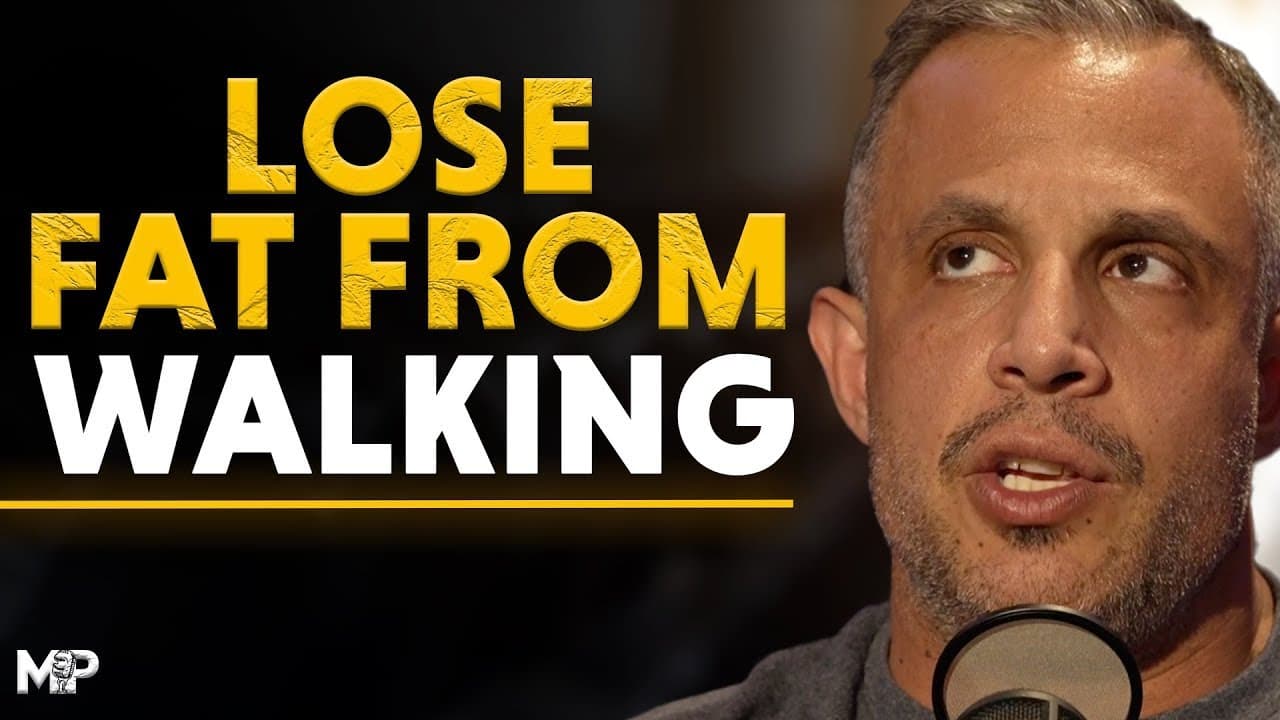
Walking post-meal significantly enhances insulin sensitivity and digestion, promoting better health and fat loss. To maximize benefits, walk leisurely after meals and integrate enjoyable activities like listening to music or podcasts. This approach not only aids digestion but also supports long-term health by improving insulin sensitivity, which is crucial for muscle building and fat loss.
Transcript
walking it's one of the best things you could do for your health bar none but there's a better way to approach it yes you can just walk but if you follow the right protocol it's far more effective let's talk about walking I can't wait to hear a walking protocol well there is well there is a protocol so and I'll start with the first thing right beca... Read More
Key Insights
- Walking post-meal improves insulin sensitivity more than walking at other times.
- Walking aids digestion by activating core muscles and improving blood flow.
- Leisurely walking is more sustainable and aids recovery better than intense walking.
- Combining walking with enjoyable activities increases adherence to the habit.
- Regular walking can help maintain insulin sensitivity, reducing chronic health risks.
- Walking after meals can support both fat loss and muscle building by enhancing nutrient partitioning.
- Walking is a low-risk, accessible exercise suitable for most people.
- Starting the day with exercise can positively influence daily activity levels and behavior.
Install to Summarize YouTube Videos and Get Transcripts
Explore YouTube Video Summarizer or Get YouTube Transcript Extractor
Questions & Answers
Q: How does walking after meals improve health?
Walking after meals enhances insulin sensitivity and aids in controlling blood sugar levels. This practice can lead to better digestion, reduced risk of diabetes, and improved muscle building and fat loss. By activating core muscles and improving circulation, post-meal walking supports overall metabolic health.
Q: Why is leisurely walking recommended over intense walking?
Leisurely walking is recommended because it is more sustainable, aids in recovery, and is less likely to cause injury or burnout. It allows for consistent practice, which is crucial for long-term health benefits. Intense walking may lead to rapid adaptation and diminishing returns in terms of calorie burn and health benefits.
Q: What are the benefits of combining walking with enjoyable activities?
Combining walking with enjoyable activities, such as listening to music or podcasts, makes the habit more enjoyable and increases the likelihood of adherence. It turns walking into a meditative and growth-promoting activity, which can enhance mental well-being and make the practice a regular part of one's lifestyle.
Q: How does walking affect insulin sensitivity?
Walking, especially after meals, significantly improves insulin sensitivity by helping muscles absorb glucose more effectively. This reduces blood sugar levels and the risk of insulin resistance, which is linked to various chronic health conditions, including diabetes and heart disease.
Q: Can walking help with muscle building?
Yes, walking can indirectly support muscle building by improving insulin sensitivity. This leads to better nutrient partitioning, where more nutrients are directed towards muscle repair and growth rather than fat storage. Walking also supports recovery and provides a low-impact way to increase overall activity levels.
Q: Why is walking considered a low-risk exercise?
Walking is considered low-risk because it has a minimal chance of causing injury compared to high-impact exercises like running. It is accessible to most people, requires no special equipment, and can be done almost anywhere, making it an ideal exercise for maintaining consistency and long-term health benefits.
Q: How does starting the day with exercise affect behavior?
Starting the day with exercise sets a positive tone for the rest of the day, often leading to healthier choices and increased activity levels. It can enhance motivation and energy, making individuals more likely to engage in other healthy behaviors throughout the day, contributing to overall well-being.
Q: What role does walking play in fat loss?
Walking plays a significant role in fat loss by increasing daily calorie expenditure and improving metabolic health. Post-meal walks, in particular, enhance insulin sensitivity, which helps in better nutrient utilization and reduces fat storage. Consistent walking also promotes sustainable weight management by being an easy-to-maintain habit.
Summary & Key Takeaways
-
Walking after meals enhances insulin sensitivity and aids digestion, making it more effective for fat loss and overall health than walking at other times. Leisurely walking is recommended for recovery and consistency.
-
Incorporating enjoyable activities during walks, like listening to music or podcasts, can make the habit more sustainable and enjoyable, increasing the likelihood of adherence.
-
Walking post-meal not only helps with fat loss but also supports muscle building by improving nutrient partitioning, making it a valuable practice for long-term health maintenance.
Read in Other Languages (beta)
Share This Summary 📚
Summarize YouTube Videos and Get Video Transcripts with 1-Click
Try YouTube Summary with ChatGPT & Claude or YouTube Transcript Generator
Explore More Summaries from Mind Pump Show 📚




Summarize YouTube Videos and Get Video Transcripts with 1-Click
Try YouTube Summary with ChatGPT & Claude or YouTube Transcript Generator