PROOF - Why INDIA Was The Most Scientifically Advanced Ancient Civilization
TL;DR
Explores the significance of ancient Indian astrology in relation to astronomical phenomena and calendar systems.
Transcript
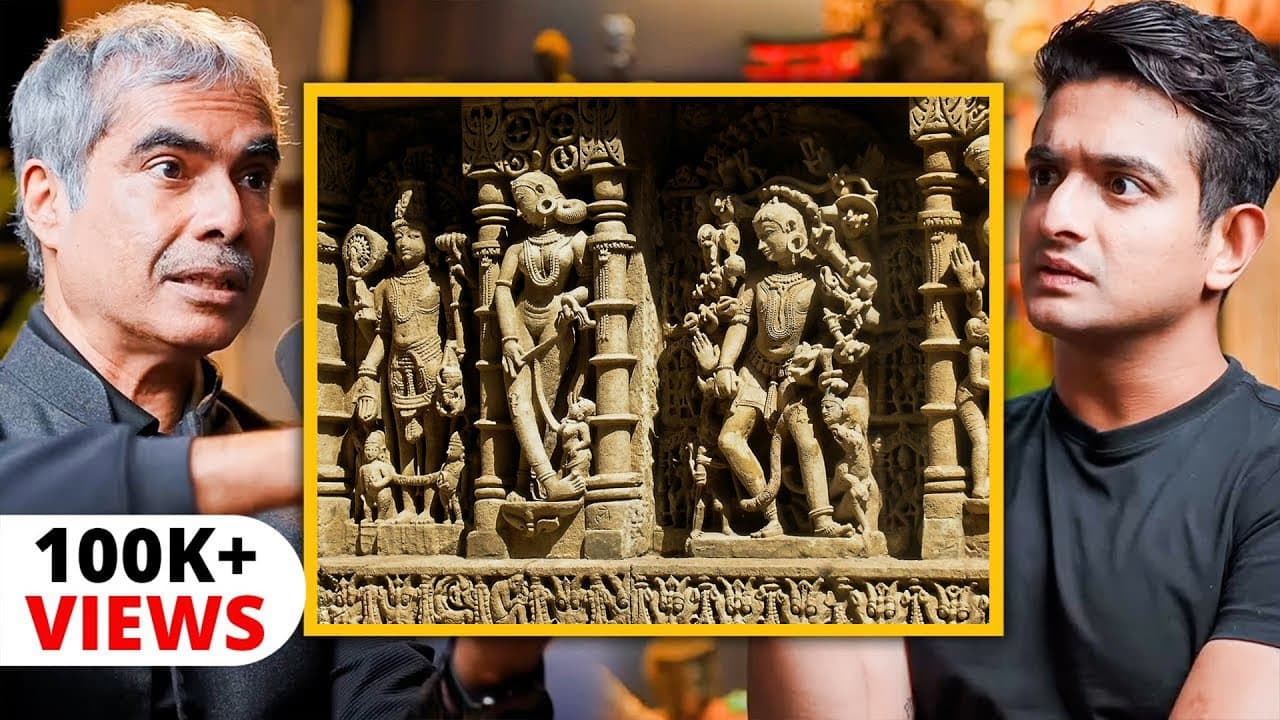
happiness through Curiosity on Clips there is something called itria brahmana It's associated with the Riga and in itria Brahman in the second chapter there is a cryptic passage that passage says the sacrifice yagna had gone away from the devatas they did not know where it had gone to so so they went to Aditi the mother of gods and she said can you... Read More
Key Insights
- ⌛ The ancient Itihasa Brahmana reflects profound philosophical inquiries into time, ritual, and astronomical events that shaped society.
- 📅 Axial precession introduces a periodic misalignment between the calendar and celestial events, complicating ritual practices across generations.
- 🤩 Indian astronomy employed keen observations of the stars, mapping them into nakshatras, and their relevance fluctuated as astronomical advancements were made over time.
- 🏍️ The need for recalibrating calendars demonstrates the adaptability of ancient cultures in responding to lengthy astronomical cycles while maintaining spiritual order.
- 🫤 Over 8,000 years ago, early Indian astronomers anticipated celestial cycles and integrated these observations into their societal practices, illustrating a keen understanding of cosmic phenomena.
- 🤑 The merging of mythology and astronomy illustrates the rich narrative framework ancient cultures utilized to interpret their place within the universe.
- 💠 Aditi’s declaration regarding the origins of sacrifices spotlights the interplay between divine and celestial influences in shaping human activities and rituals.
Install to Summarize YouTube Videos and Get Transcripts
Explore YouTube Video Summarizer or Get YouTube Transcript Extractor
Questions & Answers
Q: What does the Itihasa Brahmana's cryptic passage signify?
The passage reflects a time when the sacrifices or yagnas were lost to the gods, representing confusion among the deities about when to perform these essential ceremonies. Aditi, the mother of the gods, highlights the importance of timing and asserts that all rituals will begin and end with her, indicating a profound connection between celestial cycles and spiritual practices.
Q: How does axial precession affect our calendars?
Axial precession, occurring over approximately 26,000 years, leads to shifts in the position of stars against the backdrop of celestial navigation. This gradual change implies that the timing of agricultural and ceremonial events would misalign over millennia, complicating ancient calendars reliant on astronomical observations to schedule seasonal festivals and rituals.
Q: What role do nakshatras play in Indian astrology?
Nakshatras are lunar constellations that divide the celestial sphere, each associated with specific stars. Indian astrology relies heavily on these subdivisions to predict auspicious timings, and celestial events dictate the nature of rituals. The shifting positions of nakshatras due to axial precession further complicate their relevance in contemporary practices, requiring adjustments in calendars.
Q: Why is Aditi significant in this astronomical context?
Aditi embodies the concept of cosmic order and the necessity of defining the cycles of time in ancient Indian traditions. By asserting that all sacrifices will commence and conclude with her, Aditi emphasizes the importance of understanding natural rhythms, thereby linking divine activity with the observable movements of the heavens which were crucial for maintaining harmony in agricultural and cultural practices.
Summary & Key Takeaways
-
The content delves into a cryptic passage from the Itihasa Brahmana, discussing the origins of ceremonial sacrifices and their connection to celestial events.
-
It explains the astronomical phenomenon of axial precession, emphasizing its impact on ancient calendars and the timing of traditional ceremonies, highlighting the disconnect over millennia.
-
Key insights into how ancient Indian astronomy tracked the nakshatras and connected them to cardinal points, showcasing a sophisticated understanding of celestial movements dating back thousands of years.
Read in Other Languages (beta)
Share This Summary 📚
Summarize YouTube Videos and Get Video Transcripts with 1-Click
Try YouTube Summary with ChatGPT & Claude or YouTube Transcript Generator
Explore More Summaries from TRS Clips 📚




Summarize YouTube Videos and Get Video Transcripts with 1-Click
Try YouTube Summary with ChatGPT & Claude or YouTube Transcript Generator