7 Signs You're NOT Ready to Retire | Phil Town
TL;DR
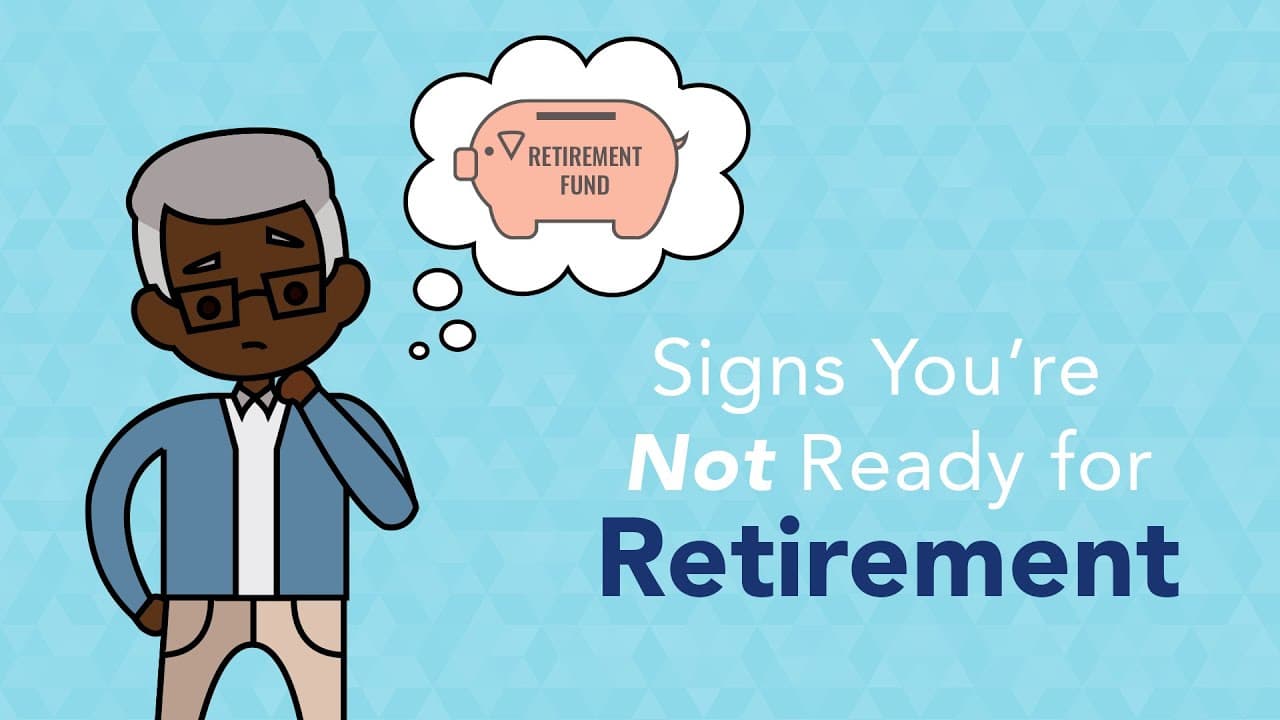
You may not be ready to retire if you lack a financial plan, a defined retirement lifestyle, retirement investments, manageable debt, a reassessed portfolio, a purpose beyond work, or an inflation-adjusted budget. Phil Town says to begin by evaluating current annual expenses and warns that retirement may cost more than your present lifestyle. Read on to assess each of the seven signs and identify what needs attention.
Transcript
hey guys i'm phil town from real one investing today i want to talk to you about the seven signs that you're not ready to retire so lots of people are trying to retire early you guys right fire financial independence retire early but this just isn't realistic for everybody especially with economic uncertainty like today we're starting to see people... Read More
Key Insights
- 🌱 Retiring without a financial plan is risky as it doesn't provide a baseline for retirement expenses.
- 🗯️ Choosing the right retirement lifestyle and determining its associated costs is crucial for financial preparedness.
- 😘 Savings and low-yield investments may not be enough to sustain retirement; investing is necessary.
- ❓ Reducing or eliminating debt before retirement is crucial for financial stability.
- 🥹 Regularly reassessing investment portfolios and making adjustments is important to avoid holding overpriced assets.
- ☠️ Considering future inflation rates is essential to ensure that you have enough savings to maintain your desired lifestyle.
- 💦 Continuing to work, even in a reduced capacity, can provide supplemental income and purpose during retirement.
Install to Summarize YouTube Videos and Get Transcripts
Explore YouTube Video Summarizer or Get YouTube Transcript Extractor
Questions & Answers
Q: What are the 7 signs you're not ready to retire?
Phil Town’s seven signs are having no financial plan, not knowing what you want to do in retirement, not investing, carrying substantial debt, failing to reassess your portfolio, still finding work important, and not accounting for inflation. Each sign points to either a financial gap or uncertainty about how you want to spend retirement.
Q: Why do you need a financial plan before retiring?
A financial plan gives you a baseline for estimating how much money retirement will require. Town recommends starting with your current annual expenses and adjusting them for the life you want, noting that your desired retirement may cost more than your current lifestyle.
Q: Why should you decide what you want to do in retirement?
Your retirement activities determine how large a nest egg you may need. Traveling the world on cruise ships can have very different costs from living in a small house, so defining the lifestyle comes before estimating the money required.
Q: Why is not investing a sign that you're unprepared for retirement?
Town says most people will need to invest their own money both to reach retirement and to remain retired. If you have not saved a substantial amount or invested through a retirement account, he says you are probably not yet in the ballpark.
Q: How does debt affect retirement readiness?
A large amount of debt can make retirement less secure, but Town distinguishes between types of debt. He specifically warns against entering retirement with credit-card debt at 20 percent and recommends getting it straightened out first.
Q: Why should you reassess your investment portfolio before retirement?
A portfolio that has not been reviewed recently may contain investments that are massively overpriced. Town recommends learning to determine what holdings are worth, reallocating assets, and seriously considering some cash for potential market events in the next year or two.
Q: Should you retire if work is still important to you?
Town suggests continuing to work if you love your job or still want to contribute. He also proposes pursuing useful work you feel passionate about during the retirement years, even if it pays less, because it can provide purpose and let you save more money.
Q: Why must retirement planning account for inflation?
Inflation reduces what retirement savings can buy over time. Town says that even at a 3 percent inflation rate, living costs in nominal dollars could be twice as high 20 years later, so future expenses cannot be estimated using today’s prices alone.
Summary & Key Takeaways
-
Not having a financial plan or baseline for the amount of money needed for retirement is a major sign that you're not close to being ready to retire.
-
Failing to decide what you want to do in retirement and not investing in a retirement account indicate that you're not ready to retire.
-
Having substantial debt, not reassessing your investment portfolio, and not accounting for inflation are also signs that you're not yet prepared for retirement.
Read in Other Languages (beta)
Share This Summary 📚
Summarize YouTube Videos and Get Video Transcripts with 1-Click
Try YouTube Summary with ChatGPT & Claude or YouTube Transcript Generator
Explore More Summaries from Rule #1 Investing 📚
Summarize YouTube Videos and Get Video Transcripts with 1-Click
Try YouTube Summary with ChatGPT & Claude or YouTube Transcript Generator