Only the Strong Survive | National Geographic
TL;DR
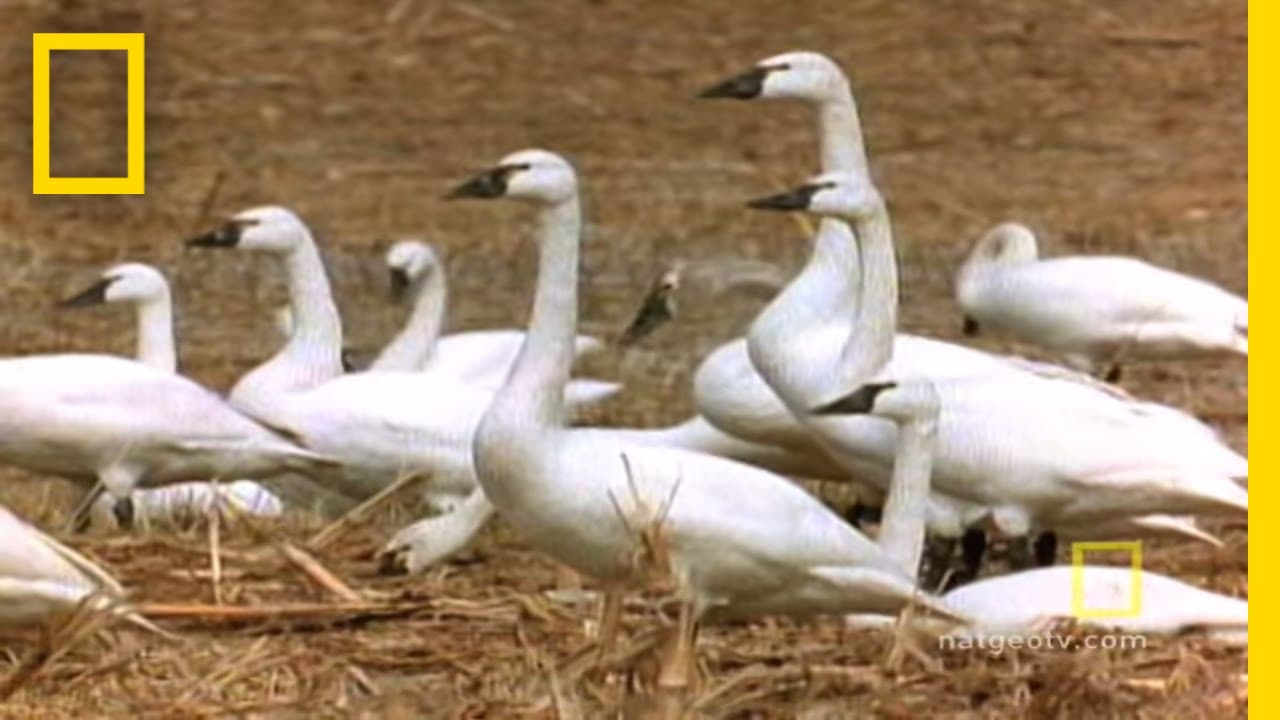
Tundra swans migrate from North Carolina to Arctic Circle, stopping in Pennsylvania to rest and eat, before flying to Canada and Alaska.
Transcript
along the shores of north carolina winter is coming to an end it is time for tundra swans to make their annual migration to their summer homes near the arctic circle in preparation they stop in eastern pennsylvania in a ritual known as staging a time when ten thousand tundra swans rest and eat gathering strength for the first leg of the trip leavin... Read More
Key Insights
- 😣 Tundra swans migrate annually from North Carolina to the Arctic Circle, stopping in Pennsylvania to rest and feed on corn.
- 🤨 They mate for life, produce up to five young each year, and raise their cygnets in the Arctic.
- 🦢 Tundra swans rely on their instincts and the Earth's magnetic field for navigation during their migratory journey.
- 💗 The young swans must grow rapidly and learn to fly before winter arrives to ensure their survival.
- 😀 Tundra swans fly at 50 miles per hour and nearly two miles high during migration.
- 😚 The swans experience a close-knit family unit dynamic, flying together with their young during migration.
- ↩️ Tundra swans return south in September, anticipating the Arctic's imminent return to ice, and repeat their 4,000-mile migration.
Install to Summarize YouTube Videos and Get Transcripts
Explore YouTube Video Summarizer or Get YouTube Transcript Extractor
Questions & Answers
Q: Why do tundra swans stop in Pennsylvania during their migration?
Tundra swans stop in Pennsylvania to rest and eat corn to gather strength for their long journey ahead to the Arctic Circle. It serves as a crucial resting point for them in their migration.
Q: How do tundra swans navigate during their migration?
Tundra swans rely on their instincts and the natural magnetic field of the Earth to navigate during their migration. They have an innate ability to find their way to their summer and winter homes.
Q: What challenges do young tundra swans face during their migration?
Young tundra swans, or cygnets, must grow rapidly and learn to fly before winter arrives, as those who do not may not survive. They face the risk of being left behind by their parents if they cannot keep up.
Q: Why do tundra swans travel in close-knit family units during migration?
Tundra swans travel in close-knit family units during migration to protect their young and ensure their safety. Flying together also helps them conserve energy and navigate better during the long journey.
Summary & Key Takeaways
-
Tundra swans migrate annually from North Carolina to the Arctic Circle, stopping in Pennsylvania to rest and eat corn.
-
They then fly non-stop to the Great Lakes before reaching their ultimate destination in Canada and Alaska.
-
The swans mate for life, raise their young, and fly south in a close-knit family unit.
Read in Other Languages (beta)
Share This Summary 📚
Summarize YouTube Videos and Get Video Transcripts with 1-Click
Try YouTube Summary with ChatGPT & Claude or YouTube Transcript Generator
Explore More Summaries from National Geographic 📚




Summarize YouTube Videos and Get Video Transcripts with 1-Click
Try YouTube Summary with ChatGPT & Claude or YouTube Transcript Generator