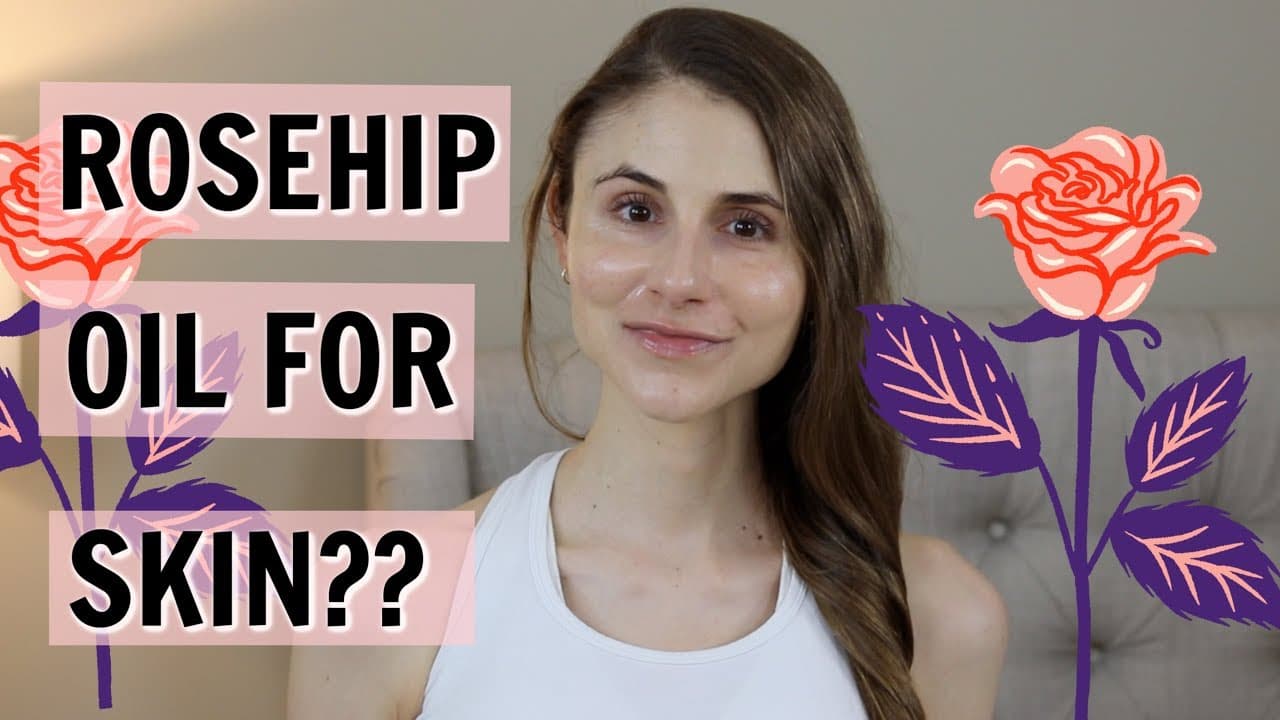
ROSEHIP OIL FOR SKIN
TL;DR
Rosehip oil has potential skin benefits but lacks substantial scientific evidence.
Transcript
well hey guys I hope your weekend is going well so I have another oil's video for you all I know you guys love these and I got several requests to cover rosehip oil so that's what I'm going to talk about on today's video rosehip oil is touted to have anti-aging benefits to be good for acne to be a natural source of v... Read More
Key Insights
- Rosehip oil is rich in unsaturated fatty acids, antioxidants, and vitamins, which can nourish and protect the skin barrier.
- The oil is believed to have anti-aging properties and may improve hyperpigmentation and acne, though scientific evidence is limited.
- Studies suggest rosehip oil may aid in wound healing and improve the appearance of scars, but these studies are small and not conclusive.
- Rosehip oil contains vitamin C and A, which are known for their skin benefits, but their effectiveness in oil form is not well-documented.
- The stability and penetration of vitamin C in rosehip oil are questionable due to its water-soluble nature and instability.
- Rosehip oil is an essential oil and may cause irritant or allergic contact dermatitis due to its non-uniform composition.
- The claims about rosehip oil's effectiveness in treating acne and as an anti-aging agent are mostly theoretical and not backed by robust studies.
- Despite potential benefits, consumers should be cautious of allergic reactions and the lack of standardized formulations in rosehip oil products.
Install to Summarize YouTube Videos and Get Transcripts
Explore YouTube Video Summarizer or Get YouTube Transcript Extractor
Questions & Answers
Q: What are the main components of rosehip oil?
Rosehip oil is primarily composed of unsaturated fatty acids, including linoleic acid, alpha-linolenic acid, and oleic acid. It also contains antioxidants such as tocopherol and carotenoids, phenolic acids like p-coumaric acid and vanillic acid, and vitamins A and C, which are believed to provide various skin benefits.
Q: How does rosehip oil benefit the skin?
Rosehip oil is thought to benefit the skin by nourishing and protecting the skin barrier with its rich composition of fatty acids and antioxidants. It may help restore antioxidant capacity, improve wound healing, and provide moisturizing effects. However, these benefits are mostly theoretical, and scientific evidence is limited.
Q: Is there scientific evidence supporting rosehip oil's anti-aging claims?
The scientific evidence supporting rosehip oil's anti-aging claims is limited. While it contains ingredients like vitamin C and A that are known for anti-aging effects, the stability and penetration of these vitamins in oil form are questionable. Most claims are based on theoretical benefits rather than robust clinical studies.
Q: Can rosehip oil help with acne treatment?
There is no substantial scientific evidence to confirm rosehip oil's effectiveness in treating acne. While it contains linoleic acid and antioxidants that may theoretically benefit acne-prone skin, these claims are not supported by significant research. Consumers should be cautious and consider the potential for irritation.
Q: What are the risks associated with using rosehip oil?
The primary risk associated with using rosehip oil is the potential for irritant or allergic contact dermatitis due to its essential oil nature and non-uniform composition. It may contain compounds that degrade and become irritating, and its lack of standardization makes it challenging to predict reactions in different formulations.
Q: How does rosehip oil compare to other skincare ingredients?
Rosehip oil is often compared to other skincare ingredients like vitamin C serums and retinol. While it contains similar active components, its stability and efficacy are less certain. Unlike standardized skincare products, rosehip oil's composition can vary, making it difficult to compare its effectiveness directly with other ingredients.
Q: What studies have been conducted on rosehip oil?
Studies on rosehip oil are limited and often small in scale. Some research suggests it may aid in wound healing and improve scar appearance, but these findings are not conclusive. A 2012 study indicated potential benefits for stretch marks, but the specific role of rosehip oil among other ingredients in the study is unclear.
Q: Why is rosehip oil popular in skincare products?
Rosehip oil is popular in skincare products due to its natural composition of antioxidants and fatty acids, which are believed to offer various skin benefits. It blends well with other ingredients, is relatively stable in formulations, and is marketed for its potential anti-aging, moisturizing, and protective properties, despite limited scientific backing.
Summary & Key Takeaways
-
Rosehip oil is promoted for its potential anti-aging, moisturizing, and skin-protective benefits due to its rich composition of fatty acids, antioxidants, and vitamins. However, scientific evidence supporting these claims is limited and mostly theoretical.
-
The oil may aid in wound healing and improve scar appearance, but studies are small and inconclusive. Its effectiveness in treating acne and hyperpigmentation is also not well-supported by research.
-
Consumers should be aware of the potential for allergic reactions due to the oil's essential nature and lack of standardization. While it is a popular ingredient in skincare products, its benefits are largely anecdotal.
Read in Other Languages (beta)
Share This Summary 📚
Summarize YouTube Videos and Get Video Transcripts with 1-Click
Try YouTube Summary with ChatGPT & Claude or YouTube Transcript Generator
Explore More Summaries from Dr Dray 📚




Summarize YouTube Videos and Get Video Transcripts with 1-Click
Try YouTube Summary with ChatGPT & Claude or YouTube Transcript Generator