The Complete Keyword Research Guide for SEO
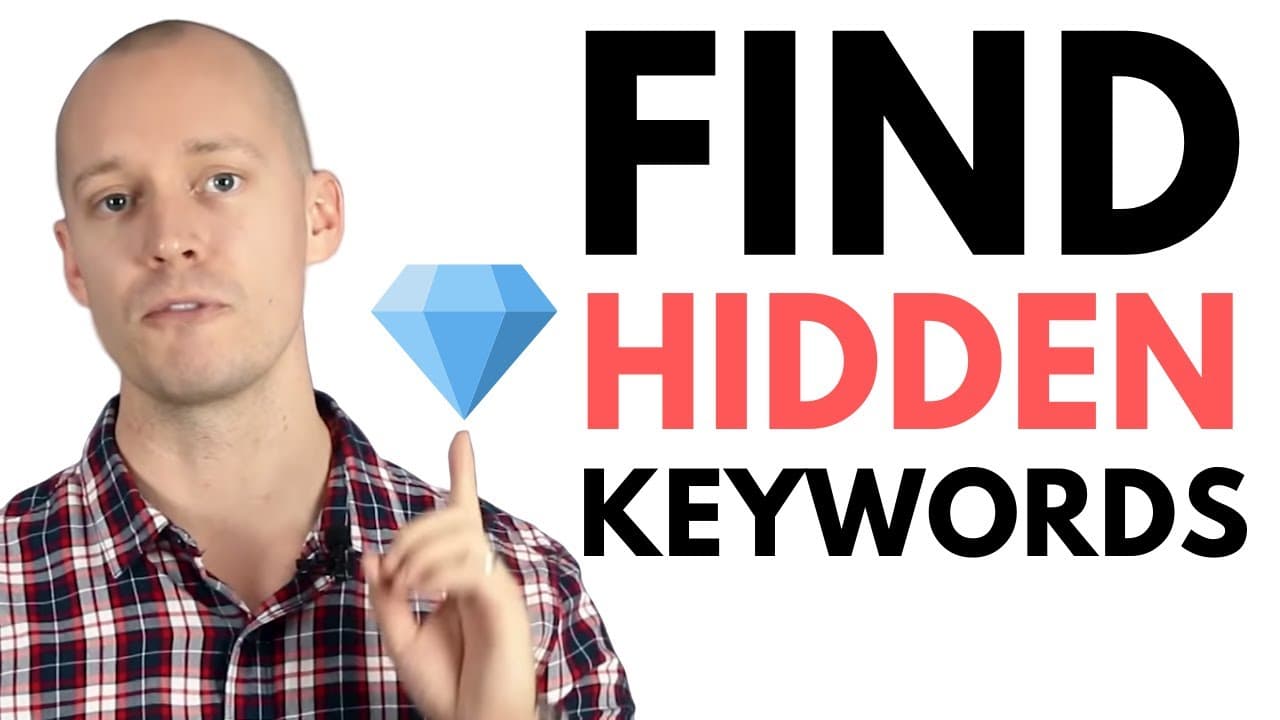
TL;DR
Learn a proven three-step keyword research process for SEO success.
Transcript
hey in this video I'm going to show you three proven ways to find keywords and then I'm going to show you my stepbystep framework for picking the right keywords to Target in fact I've used this exact process you're about to learn to rank on the first page of Google for super competitive keywords like blog spot HRS and backlinks I'm Nathan gotch the... Read More
Key Insights
- Keyword research is essential for SEO success, focusing on finding terms your website can realistically rank for.
- The video introduces a three-step process for keyword research, emphasizing efficiency and effectiveness.
- Utilizing tools like Google Keyword Planner, Ubersuggest, and Ahrefs can streamline the keyword research process.
- Limiting time and resources spent on keyword research can enhance productivity and results.
- The 10-second competitor analysis helps in quickly assessing keyword competition and potential.
- Analyzing competitors involves looking at domain authority, page type, and other metrics to gauge competitiveness.
- Prioritizing keywords based on competition and search volume can lead to more targeted and successful campaigns.
- Creating content around qualified keywords can improve search engine rankings and drive more traffic.
Install to Summarize YouTube Videos and Get Transcripts
Explore YouTube Video Summarizer or Get YouTube Transcript Extractor
Questions & Answers
Q: What is the main purpose of the video?
The main purpose of the video is to educate viewers on a streamlined and effective keyword research process for SEO. It aims to teach them how to identify and target keywords that their website can realistically rank for, ultimately improving their search engine visibility and driving more relevant traffic.
Q: What tools does Nathan Gotch recommend for keyword research?
Nathan Gotch recommends using Google Keyword Planner, Ubersuggest, and Ahrefs for keyword research. These tools help users find keywords, assess search volume, and analyze competition, allowing for a more efficient and effective keyword selection process. Each tool offers unique features that aid in gathering valuable SEO data.
Q: What is the 10-second competitor analysis?
The 10-second competitor analysis is a quick method to evaluate the competitiveness of a keyword by examining the search engine results page (SERP). It involves looking for signs such as low authority websites, YouTube videos, and forum threads, which indicate lower competition, making it easier to rank for those keywords.
Q: How does Nathan Gotch suggest handling duplicate keywords in research?
Nathan Gotch suggests using a formula in a spreadsheet to identify and remove duplicate keywords from the research list. This process involves using the 'unique' function to filter out duplicates, ensuring a clean and organized list of potential keywords to target, which enhances the efficiency of the research process.
Q: Why does Nathan Gotch emphasize limiting time spent on keyword research?
Nathan Gotch emphasizes limiting time spent on keyword research because excessive time and resources can lead to diminishing returns. By setting boundaries on the duration and tools used, teams can focus on more productive activities, ultimately leading to better results and a more streamlined SEO strategy.
Q: What are some positive signs to look for during the 10-second competitor analysis?
Positive signs during the 10-second competitor analysis include finding low authority websites (DA or DR below 50), YouTube videos, subdomains, forum threads, and limited SERP features. These indicators suggest lower competition, making it easier for a website to rank for those keywords and achieve higher visibility.
Q: What should be done if a keyword doesn't pass the initial 10-second competitor analysis?
If a keyword doesn't pass the initial 10-second competitor analysis, it should not be discarded. Instead, it should be deprioritized and kept on the list for future targeting. As a website gains more authority over time, these keywords can become viable targets, allowing for strategic expansion of the SEO efforts.
Q: What is the significance of gathering competitor data during keyword research?
Gathering competitor data during keyword research is crucial for understanding the competitive landscape and setting realistic targets. By analyzing metrics such as backlinks, domain authority, and page speed, users can identify strengths and weaknesses, enabling them to craft strategies that effectively compete with and surpass their rivals.
Summary & Key Takeaways
-
The video provides a comprehensive guide to keyword research, offering a three-step process to identify and target keywords effectively. It emphasizes the importance of efficiency and using specific tools to streamline the process, ensuring that the keywords selected are within reach for ranking.
-
Nathan Gotch shares insights into the common pitfalls of keyword research, such as spending excessive time and using too many tools. He advocates for a more focused approach, limiting time spent and tools used, which in turn enhances productivity and results in better keyword selection.
-
The 10-second competitor analysis is highlighted as a quick method to assess keyword competition. By examining domain authority, page type, and search features, users can prioritize keywords that offer the best opportunities for ranking, ultimately guiding content creation and SEO strategies.
Read in Other Languages (beta)
Share This Summary 📚
Summarize YouTube Videos and Get Video Transcripts with 1-Click
Try YouTube Summary with ChatGPT & Claude or YouTube Transcript Generator
Explore More Summaries from Nathan Gotch 📚




Summarize YouTube Videos and Get Video Transcripts with 1-Click
Try YouTube Summary with ChatGPT & Claude or YouTube Transcript Generator