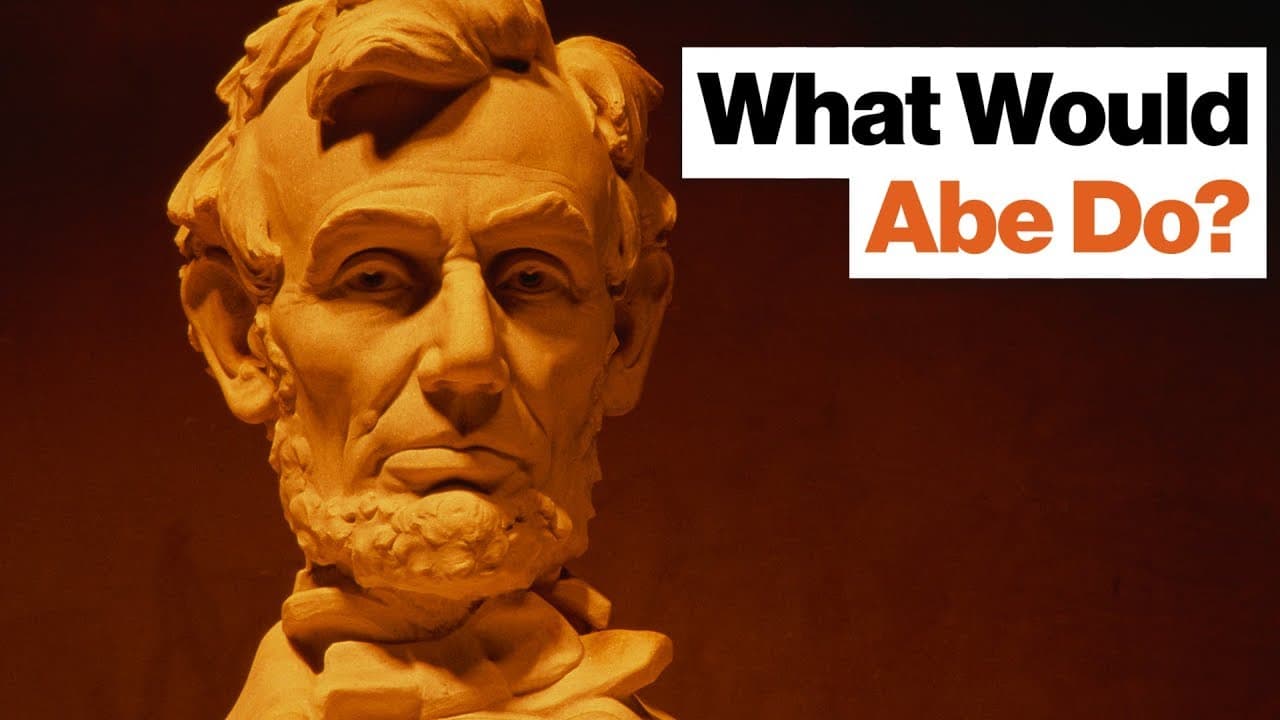
The Most Important Letter Abraham Lincoln Never Sent | Nancy Koehn | Big Think
TL;DR
Acting impulsively in high-stakes moments can be detrimental; leaders like Lincoln benefited from waiting and not acting.
Transcript
One of the most interesting and powerful lessons that I discovered in writing this book was that each of these five people — that’s Ernest Shackleton the Antarctic explorer; our sixteenth president Abraham Lincoln; the abolitionist and civil liberties crusader Frederick Douglass; the resistor to Nazi Germany’s evils Dietrich Bonhoeffer, a pastor; a... Read More
Key Insights
- ✋ Acting impulsively in high-stakes moments can be detrimental to a leader's mission.
- ❓ Doing nothing can sometimes be the most powerful and impactful decision a leader can make.
- ❓ Leaders like Lincoln exemplify the importance of temperance and reflection in decision-making.
- 🏃 Modern leaders can learn from historical examples and exercise discipline in their communication.
Install to Summarize YouTube Videos and Get Transcripts
Explore YouTube Video Summarizer or Get YouTube Transcript Extractor
Questions & Answers
Q: What was the key lesson learned by historical figures like Lincoln?
Historical figures like Lincoln realized that sometimes, doing nothing in high-stakes moments can be more powerful and impactful than acting impulsively.
Q: How did Lincoln's decision to not send the letter to General Meade impact the outcome of the Civil War?
Lincoln's decision to withhold the letter preserved the Union, allowing more capable generals like Sherman and Grant to emerge and eventually lead to victory in the Civil War.
Q: Why is it important for leaders today to learn from historical examples like Lincoln?
Leaders today can benefit from the lesson of waiting and not acting impulsively, as rash decisions can cause more harm than good in the long run.
Q: How does the example of Lincoln not sending the letter relate to modern-day communication challenges?
In today's age of instant communication, leaders should be mindful of the impact their impulsive messages can have on their mission and followers, echoing Lincoln's disciplined approach.
Summary & Key Takeaways
-
Five historical figures, including Lincoln, discovered the power of doing nothing in high-stakes, emotionally charged moments.
-
Lincoln refrained from sending an angry letter to General Meade after the Battle of Gettysburg, realizing it could harm his mission.
-
The lesson of waiting and not acting impulsively is crucial for leaders today.
Read in Other Languages (beta)
Share This Summary 📚
Summarize YouTube Videos and Get Video Transcripts with 1-Click
Try YouTube Summary with ChatGPT & Claude or YouTube Transcript Generator
Explore More Summaries from Big Think 📚



Summarize YouTube Videos and Get Video Transcripts with 1-Click
Try YouTube Summary with ChatGPT & Claude or YouTube Transcript Generator