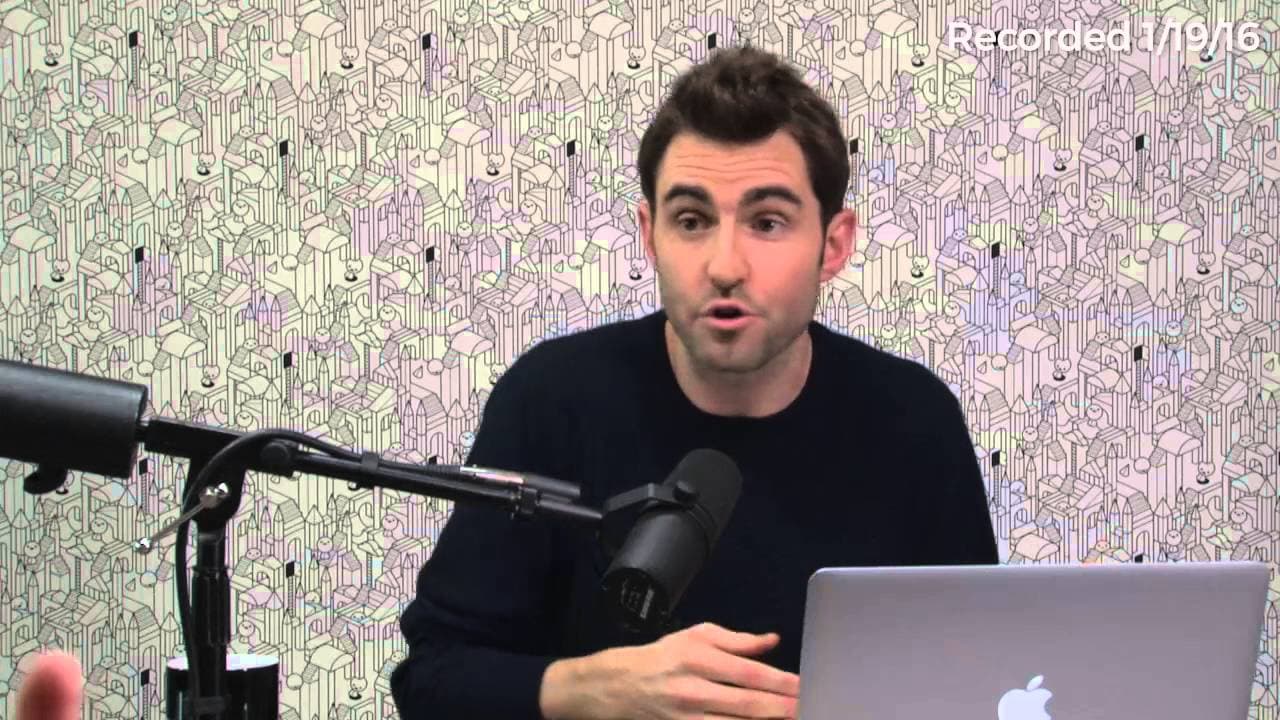
Ben Rattray, CEO of Change.org discusses hate speech and what petitions are and aren't permitted.
TL;DR
It is difficult for platforms to define and address hate speech without completely absolving themselves of responsibility.
Transcript
so if you're glad by users as offensive to them that we won't let them use the ad platform is it different just like Google there's a different sort of you know add policy as your organic look a little bit higher benchmark to get is ads it's also the case that if that group for example were actually a hate group so the text it wasn't hate speech bu... Read More
Key Insights
- 😯 Platforms face the challenge of defining and addressing hate speech without completely limiting free speech.
- 😌 The difficulty lies in finding a balance between allowing free speech and preventing harm.
- 💬 Hate groups and their content are handled differently based on the context and potential harm generated by comments.
- 🫚 Content rooted in personal stories and inspiration tends to be more viral than hateful or discriminatory content.
Install to Summarize YouTube Videos and Get Transcripts
Explore YouTube Video Summarizer or Get YouTube Transcript Extractor
Questions & Answers
Q: How do platforms handle hate speech from known hate groups?
If a group is known to be a hate group but their content doesn't directly promote hate speech, platforms might still take action if the generated comments are hateful. The decision to suspend comments depends on the context.
Q: Is it possible to allow free speech while also avoiding harmful content?
Striking a balance between free speech and preventing harm is challenging. Platforms aim to peel away offensive and problematic content while still ensuring as much free speech as possible. Achieving this balance is not easy and requires constant effort.
Q: Are there certain types of campaigns that tend to go viral on social media?
Petitions rooted in personal stories and inspiring content are more likely to go viral compared to those that are hateful or discriminatory. People generally don't want to share content that makes them look bad or associates them with negativity.
Q: How do platforms like Squarespace help users create professional-looking websites?
Squarespace offers templates and a user-friendly interface that allows users to create beautiful and intuitive websites without any coding knowledge. It is affordable, secure, stable, and trusted by millions of users worldwide.
Summary & Key Takeaways
-
Platforms like Facebook and Google have policies that aim to prevent offensive users from utilizing their ad platforms.
-
Different benchmarks exist for organic content and ads when it comes to hate speech and offensive language.
-
Drawing the line between free speech and harmful content is challenging, but companies are trying to find a balance.
Read in Other Languages (beta)
Share This Summary 📚
Summarize YouTube Videos and Get Video Transcripts with 1-Click
Try YouTube Summary with ChatGPT & Claude or YouTube Transcript Generator
Explore More Summaries from This Week in Startups 📚





Summarize YouTube Videos and Get Video Transcripts with 1-Click
Try YouTube Summary with ChatGPT & Claude or YouTube Transcript Generator