Impedance Measurement | Slotted Line | Microwave Engineering | Lec-122
TL;DR
The video explains methods for measuring impedance using slotted sections and other techniques.
Transcript
hi everyone in this video I am going to explain about the measurement of impedance so it is another type of parameter impedance that is where can that we can calculate using the complete bench setup okay so previously we have seen different types of magic t uh Junctions that we can use to measure the impedance so apart from Magic te we have two dif... Read More
Key Insights
- 📡 Impedance measurement is integral in microwave technology, affecting performance, efficiency, and signal integrity.
- 👻 The slotted section method allows for precise analysis of voltage wave patterns to derive load characteristics.
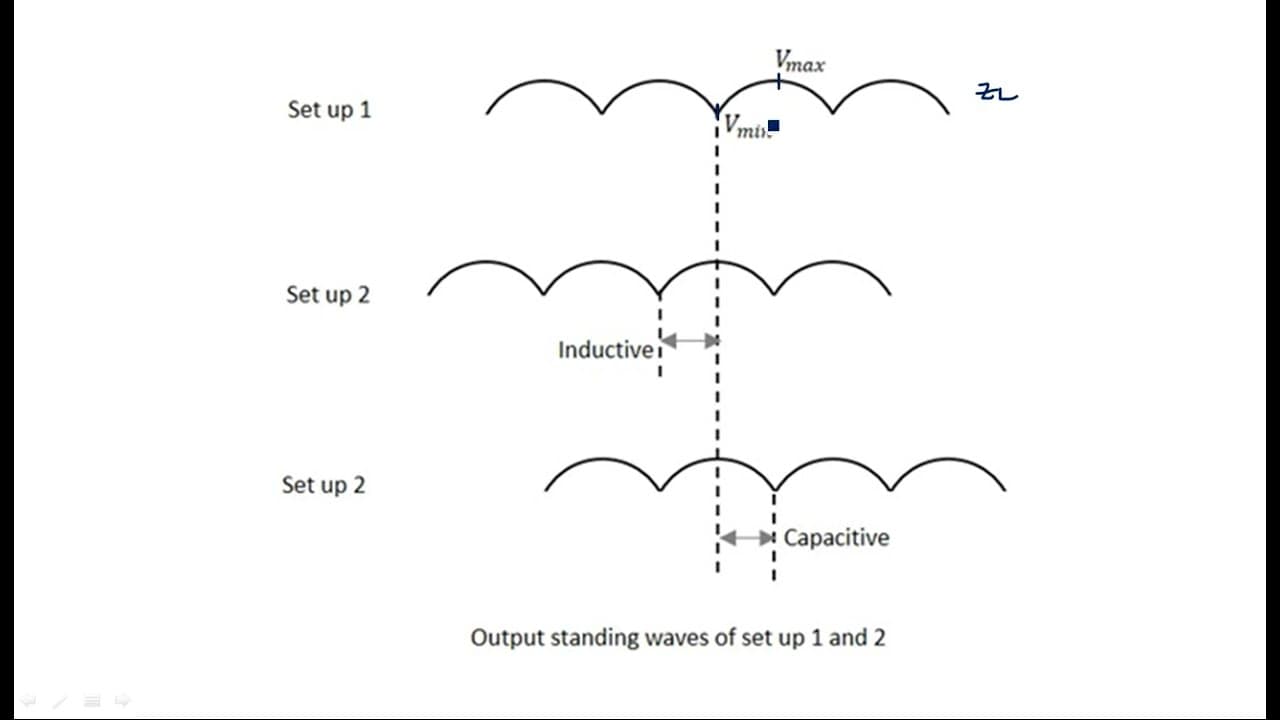
- ⚡ Voltage shifts during measurement indicate whether a load is capacitive or inductive, which is critical for circuit design.
- ❓ Measurement setups require specific components like attenuators, probe carriers, and stretchers for accurate readings.
- 🍰 Short-circuiting the load is a vital step to contrast measurements and understand the load's impedance better.
- ❓ The reflection coefficient can be calculated alongside impedance, providing deeper insights into circuit behavior.
- 🎨 Understanding the nature of the load helps engineers design more effective and reliable microwave systems.
Install to Summarize YouTube Videos and Get Transcripts
Explore YouTube Video Summarizer or Get YouTube Transcript Extractor
Questions & Answers
Q: What is the main purpose of measuring impedance in microwave applications?
Measuring impedance is crucial in microwave applications as it helps determine how effectively a circuit transmits signals. Impedance directly influences voltage and current relationships and understanding it helps in optimizing circuit performance, reducing losses, and preventing signal reflections that can degrade communication quality.
Q: How does the slotted section method work for impedance measurement?
The slotted section method operates by determining maximum and minimum voltage levels along a transmission line. By moving a probe through a slotted section, one can measure these voltage levels with respect to the connected load. This data allows for the calculation of the load's impedance based on the variations observed.
Q: What are the two steps involved in the impedance measurement process described?
The two steps in the measurement process start with determining the minimum voltage using the load's impedance, then switching to a short circuit to observe the minimum voltage under different conditions. These readings allow for analysis of the load's characteristics, indicating if it is capacitive or inductive.
Q: What indicates whether a load is capacitive or inductive in this measurement?
In the described method, the direction of voltage value shifts indicates the load type. If the minimum voltage shifts to the left, the load is inductive. Conversely, if the shift is to the right, it indicates a capacitive load. This correlation provides a clear understanding of the load's nature.
Summary & Key Takeaways
-
The video presents techniques for measuring impedance, particularly with the slotted section method. It outlines how to determine voltage values to assess impedance characteristics, including maximum and minimum voltage readings.
-
The two-step measurement process involves first connecting a load to the transmission line and then short-circuiting that load to observe how voltage values shift, providing insight into whether the load is inductive or capacitive.
-
Key components used in the setup include a microwave source, attenuator, slotted section carriage, and various measurement tools. Understanding these components is essential for accurate impedance measurements.
Read in Other Languages (beta)
Share This Summary 📚
Summarize YouTube Videos and Get Video Transcripts with 1-Click
Try YouTube Summary with ChatGPT & Claude or YouTube Transcript Generator