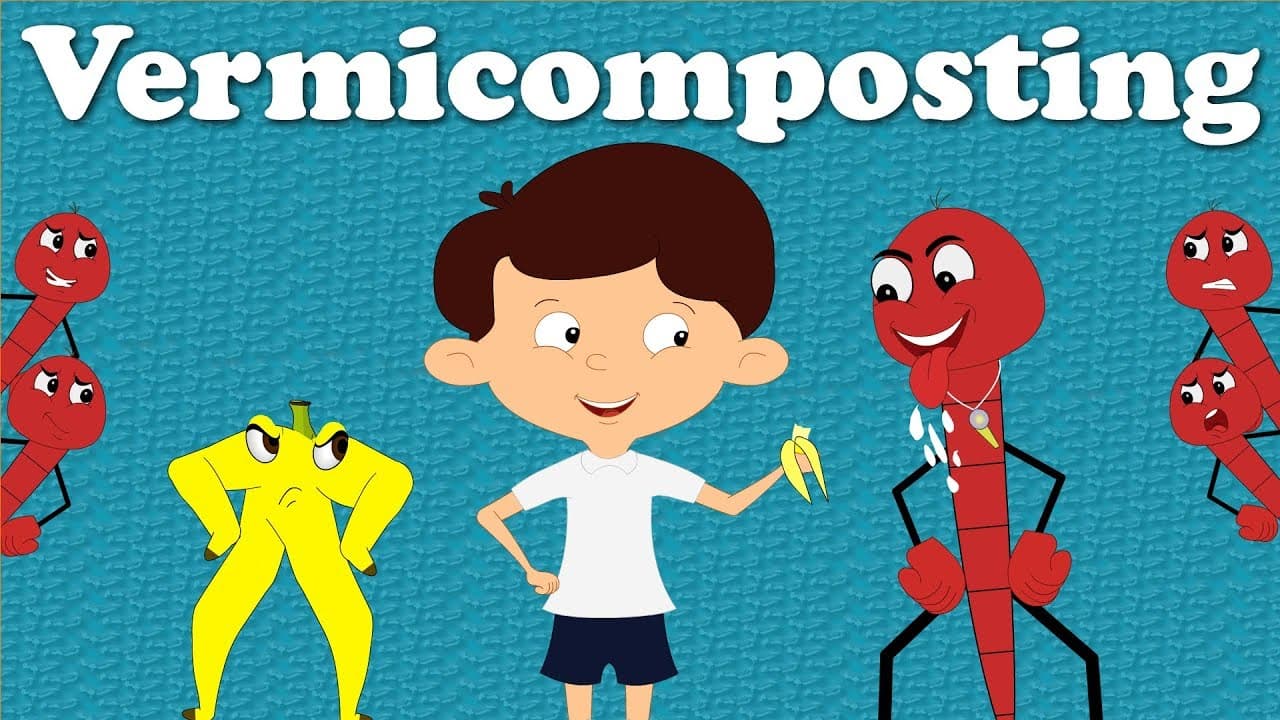
Vermicomposting | #aumsum #kids #science #education #children
TL;DR
Create nutrient-rich compost with redworms using kitchen waste and basic steps.
Transcript
Vermicomposting. Process of vermicomposting. Take a large wooden box or dig a pit 30 cm deep. Put the wooden box in a shady area. Spread a net or a fine chicken mesh at the bottom of the box. Dustbin. Spread some vegetable wastes, fruit peels, dried animal dung, husk, old newspapers, etc. on it. The layer of waste should be loose for sufficient air... Read More
Key Insights
- 🤑 Vermicomposting involves using redworms to break down organic waste into nutrient-rich compost.
- 🎚️ Proper aeration and moisture levels are essential for the success of vermicomposting.
- 😋 Redworms require a balanced diet of food scraps like fruit and vegetable peels to thrive.
- 🪱 Regular monitoring of the vermicomposting process is needed to ensure the worms are healthy and active.
- 🪱 Harvesting vermicompost involves separating the worms from the compost material.
- 🧑⚕️ Vermicompost can be used as a natural fertilizer in gardens to improve soil health.
- 💟 Vermicomposting is an eco-friendly way to reduce kitchen waste and create sustainable compost.
Install to Summarize YouTube Videos and Get Transcripts
Explore YouTube Video Summarizer or Get YouTube Transcript Extractor
Questions & Answers
Q: What materials are needed for setting up vermicomposting?
To start vermicomposting, you need a wooden box or pit, net or mesh, vegetable and fruit waste, soil, water, redworms, and grass or gunny bags for covering.
Q: How often should you mix the composting layers?
It's important to mix and move the top layer of the compost pile every few days to ensure proper aeration and distribution of nutrients for the redworms.
Q: What kind of food scraps are suitable for redworms in vermicomposting?
Redworms thrive on food scraps like fruit and vegetable peels, coffee grounds, tea leaves, and weeds, as these items provide necessary nutrients for their growth.
Q: How can you tell when vermicompost is ready for harvesting?
Vermicompost is ready for harvesting after about 4 weeks when the compost is dark, crumbly, and free of any visible food scraps, indicating the worms have processed the waste.
Summary & Key Takeaways
-
Vermicomposting involves creating compost using redworms and kitchen waste, following steps like setting up a wooden box, adding layers of waste and soil, and providing food for the worms.
-
Redworms require fruit and vegetable peels, coffee grounds, and weeds for food, doubling in population if well-cared for.
-
The compost is ready after 4 weeks, with the option to reuse part of it for future vermicomposting.
Read in Other Languages (beta)
Share This Summary 📚
Summarize YouTube Videos and Get Video Transcripts with 1-Click
Try YouTube Summary with ChatGPT & Claude or YouTube Transcript Generator
Explore More Summaries from It's AumSum Time 📚






Summarize YouTube Videos and Get Video Transcripts with 1-Click
Try YouTube Summary with ChatGPT & Claude or YouTube Transcript Generator