The Coronavirus Vaccine Explained | COVID-19
TL;DR
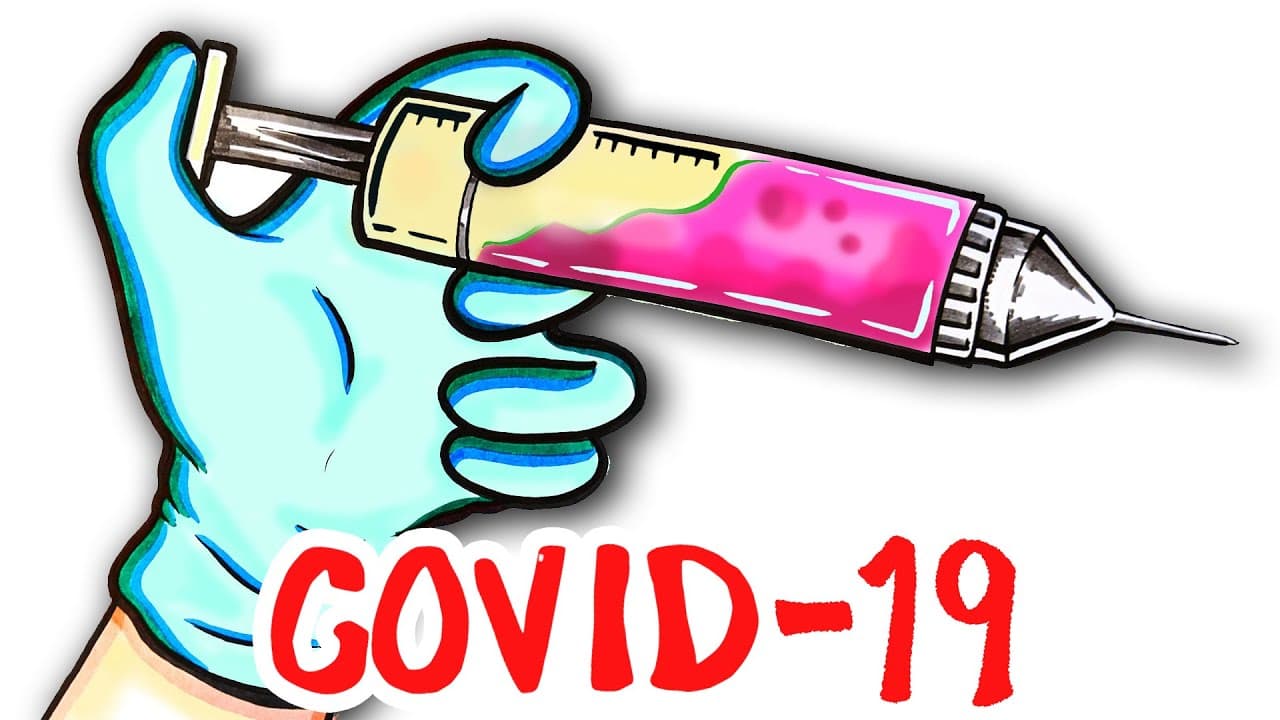
Scientists are working hard to develop a vaccine for Covid-19, using various types of vaccines and innovative techniques like mRNA vaccines.
Transcript
- [Mitchell] As Covid-19 spreads from the coronavirus pandemic, many are doing their part by social distancing and self-isolating. But as the virus and disease progress, one big question on many people's minds is, what can we expect with regards to a vaccine? - So, there are a ton of fascinating things happening right now and tireless research look... Read More
Key Insights
- 🌥️ Vaccines are powerful tools that can provide immunity to individuals and protect larger communities.
- 🎯 Different types of vaccines have their advantages and disadvantages, depending on the target virus and the individual's immune system.
- ❓ mRNA vaccines, like the one being developed for Covid-19, show promise in providing a quick and effective immune response.
- 🥡 Developing a Covid-19 vaccine may take one to two years, with some more experimental approaches possibly taking shorter or longer timeframes.
- 👨🔬 Continued research and funding of the sciences are crucial to being prepared for future pandemics.
- 👨🔬 Voting for science-minded politicians is important to ensure proper funding and support for scientific research.
- 🤳 Physical distancing, self-isolation, and regular handwashing are essential measures to flatten the curve and prevent the spread of the virus.
Install to Summarize YouTube Videos and Get Transcripts
Explore YouTube Video Summarizer or Get YouTube Transcript Extractor
Questions & Answers
Q: How do vaccines work?
Vaccines work by introducing a weakened or inactive form of a virus or bacteria into the body, triggering an immune response and creating immunity.
Q: What are the different types of vaccines?
There are live attenuated vaccines, inactive vaccines, subunit vaccines, and experimental DNA vaccines.
Q: How does an mRNA vaccine work?
An mRNA vaccine works by introducing a sequence that codes for a protein from the virus, allowing the body to produce the protein and trigger an immune response.
Q: How long does it take to develop a vaccine?
Developing a vaccine typically takes years, including stages such as sequencing the genome, testing in animals, and conducting clinical trials.
Summary & Key Takeaways
-
Vaccines work by training the immune system to recognize and fight off specific viruses or bacteria.
-
There are different types of vaccines, including live attenuated vaccines, inactive vaccines, subunit vaccines, and mRNA vaccines.
-
mRNA vaccines, like the one being developed by Moderna for Covid-19, work by introducing a sequence that codes for a protein from the virus, triggering an immune response.
Read in Other Languages (beta)
Share This Summary 📚
Summarize YouTube Videos and Get Video Transcripts with 1-Click
Try YouTube Summary with ChatGPT & Claude or YouTube Transcript Generator
Explore More Summaries from AsapSCIENCE 📚





Summarize YouTube Videos and Get Video Transcripts with 1-Click
Try YouTube Summary with ChatGPT & Claude or YouTube Transcript Generator