These Chimps Treat Each Other’s Wounds... with Bugs
TL;DR
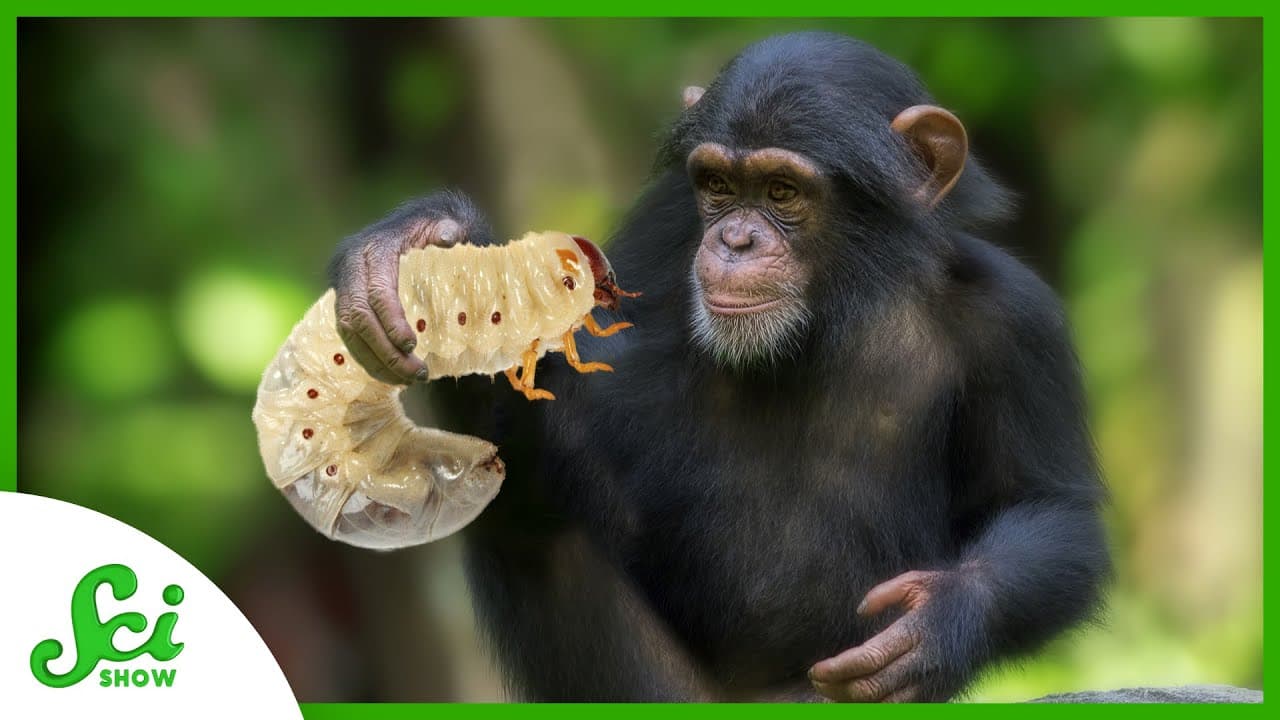
Chimpanzees in Gabon have been observed using insects to treat wounds, even applying them to unrelated individuals. Sponges in the Arctic Ocean thrive on an extinct ecosystem of methane seeps and tube worms.
Transcript
Thanks to Linode, a top-rated cloud computing company, for supporting this episode of SciShow. Head to linode.com/scishow to learn more and get a $100 60-day credit on a new Linode account. [♪ INTRO] Nature is full of substances and materials with the potential to treat illness and injury. And humans aren’t the only ones who have figured that ou... Read More
Key Insights
- 🤳 Chimpanzees in Gabon exhibit self-medication behavior by using insects on wounds, possibly for medicinal benefits.
- ❓ Chimps applying insects to unrelated individuals' wounds suggests a prosocial behavior.
- 💀 Sponges in the Arctic Ocean survive on an extinct ecosystem, feeding on dead tube worms and providing habitats for other species.
- 🤳 Understanding self-medication in animals can provide insights into their survival strategies and social dynamics.
- ❓ Chimpanzees displaying prosocial behavior challenges the notion of humans being the only species capable of empathy and concern for others.
- 🤽 Sponges play a vital role in underwater ecosystems by providing habitats and filtering water.
- 🫠 Studying the survival of sponges on an extinct ecosystem can help conserve and protect the new ecosystem that is forming due to melting sea ice.
Install to Summarize YouTube Videos and Get Transcripts
Explore YouTube Video Summarizer or Get YouTube Transcript Extractor
Questions & Answers
Q: How do chimps self-medicate with insects?
Chimps catch flying insects, immobilize them, place them on wounds, and move them around, possibly deriving medicinal benefits like reduced inflammation or antiseptic properties.
Q: Why were chimps observed applying insects to unrelated individuals' wounds?
This behavior could be an example of prosocial behavior, indicating that chimps may display empathy and concern for the well-being of others, even unrelated individuals.
Q: How do sponges survive on an extinct ecosystem?
Sponges in the Arctic Ocean feed on dead tube worms left behind by an extinct ecosystem of methane seeps. Microbes in the sponges break down the nutrients from the old tubes, allowing the sponges to survive and provide habitats for other species.
Q: Why is understanding the survival of sponges on an extinct ecosystem important?
Understanding how sponges thrive in this unique ecosystem is crucial for conservation efforts, especially in the face of rapidly melting sea ice, which can disrupt the entire ecosystem.
Summary & Key Takeaways
-
Chimpanzees in Gabon have been observed catching insects and placing them on wounds, possibly for their anti-inflammatory or antiseptic benefits.
-
In some cases, chimpanzees were seen applying insects to wounds of unrelated group members, suggesting a prosocial behavior.
-
Sponges in the central Arctic Ocean survive on a completely extinct ecosystem of methane seeps and tube worms, providing insights into their adaptation and survival strategies.
Read in Other Languages (beta)
Share This Summary 📚
Summarize YouTube Videos and Get Video Transcripts with 1-Click
Try YouTube Summary with ChatGPT & Claude or YouTube Transcript Generator
Explore More Summaries from SciShow 📚


Summarize YouTube Videos and Get Video Transcripts with 1-Click
Try YouTube Summary with ChatGPT & Claude or YouTube Transcript Generator