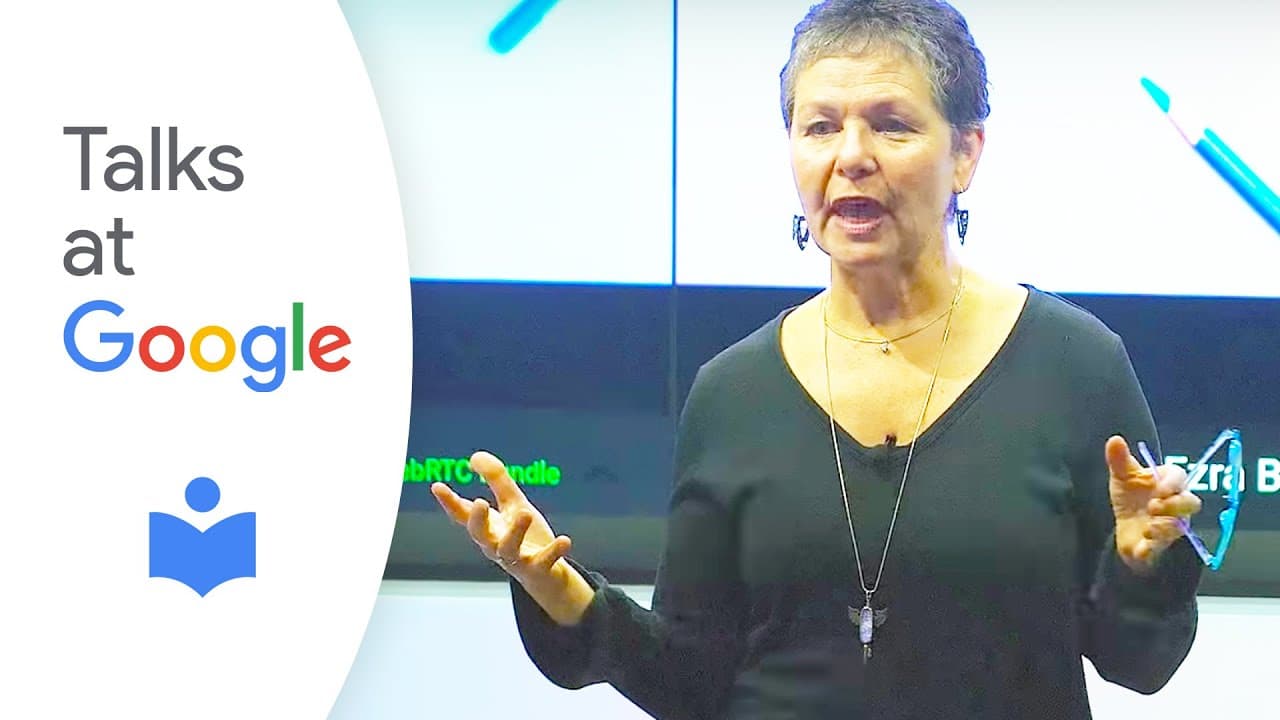
Survivor Café: The Legacy of Trauma and the Labyrinth of Memory | Elizabeth Rosner | Talks at Google
TL;DR
Elizabeth Rosner discusses her book "Survivor Café" which explores the legacy of trauma and the importance of preserving personal stories behind historical atrocities.
Transcript
[MUSIC PLAYING] EZRA BRETTLER: It's my pleasure to introduce Elizabeth Rosner. She's here today to speak about her most recent book, "Survivor Café, The Legacy of Trauma and the Labyrinth of Memory." It grapples with intricate and possibly unanswerable questions about how we recognize and cope with the traumas we inherit, and how we can properly ke... Read More
Key Insights
- ❓ Historical traumas, such as the Holocaust, bombings of Hiroshima and Nagasaki, and slavery, continue to affect the descendants of survivors and perpetrators.
- 😑 Scientific research on epigenetics reveals that trauma can modify DNA expression, leading to the inheritance of trauma through generations.
- 🛟 Memory studies provide insights into how personal and collective traumas are preserved and transmitted through cultural memory, museums, memorials, and shared storytelling.
- 🖐️ Language plays a crucial role in shaping our understanding and perception of trauma, and accurate and empathetic language fosters connection and empathy.
- 👨⚖️ Reconciliation and forgiveness in the wake of trauma are complex and challenging, often requiring restorative justice and truth-telling.
Install to Summarize YouTube Videos and Get Transcripts
Explore YouTube Video Summarizer or Get YouTube Transcript Extractor
Questions & Answers
Q: What is epigenetics and how does it relate to inherited trauma?
Epigenetics refers to modifications in gene expression that can be passed down through generations. Studies have shown that trauma experienced by ancestors can cause DNA changes that affect subsequent generations, leading to the inheritance of trauma.
Q: How do memory studies and memorialization contribute to addressing personal and collective inheritance of trauma?
Memory studies explore how memory is preserved and disseminated, allowing personal and collective trauma to be addressed through cultural memory and shared storytelling. Memorials and museums play a crucial role in keeping these memories alive.
Q: How does language impact trauma and memory?
Language plays a significant role in shaping our perceptions and understanding of trauma. The use of euphemistic terms can obscure the full extent of historical atrocities, while accurate and empathetic language can foster empathy and connection.
Q: Can individual traumas have a collective impact?
Yes, individual traumas can have a collective impact, as seen in cases like mass shootings or familial suicides. These traumas reverberate through families and communities, influencing the psychological and emotional well-being of subsequent generations.
Summary & Key Takeaways
-
"Survivor Café" examines how individuals recognize and cope with inherited traumas, and the significance of preserving personal stories behind historical atrocities.
-
Rosner shares her personal narrative as the daughter of Holocaust survivors and explores other historical events such as the bombings of Hiroshima and Nagasaki and the Cambodian killing fields.
-
The book also delves into scientific studies on how trauma modifies DNA expression and the impacts of memory studies on culture and collective inheritance.
Read in Other Languages (beta)
Share This Summary 📚
Summarize YouTube Videos and Get Video Transcripts with 1-Click
Try YouTube Summary with ChatGPT & Claude or YouTube Transcript Generator
Explore More Summaries from Talks at Google 📚
Summarize YouTube Videos and Get Video Transcripts with 1-Click
Try YouTube Summary with ChatGPT & Claude or YouTube Transcript Generator