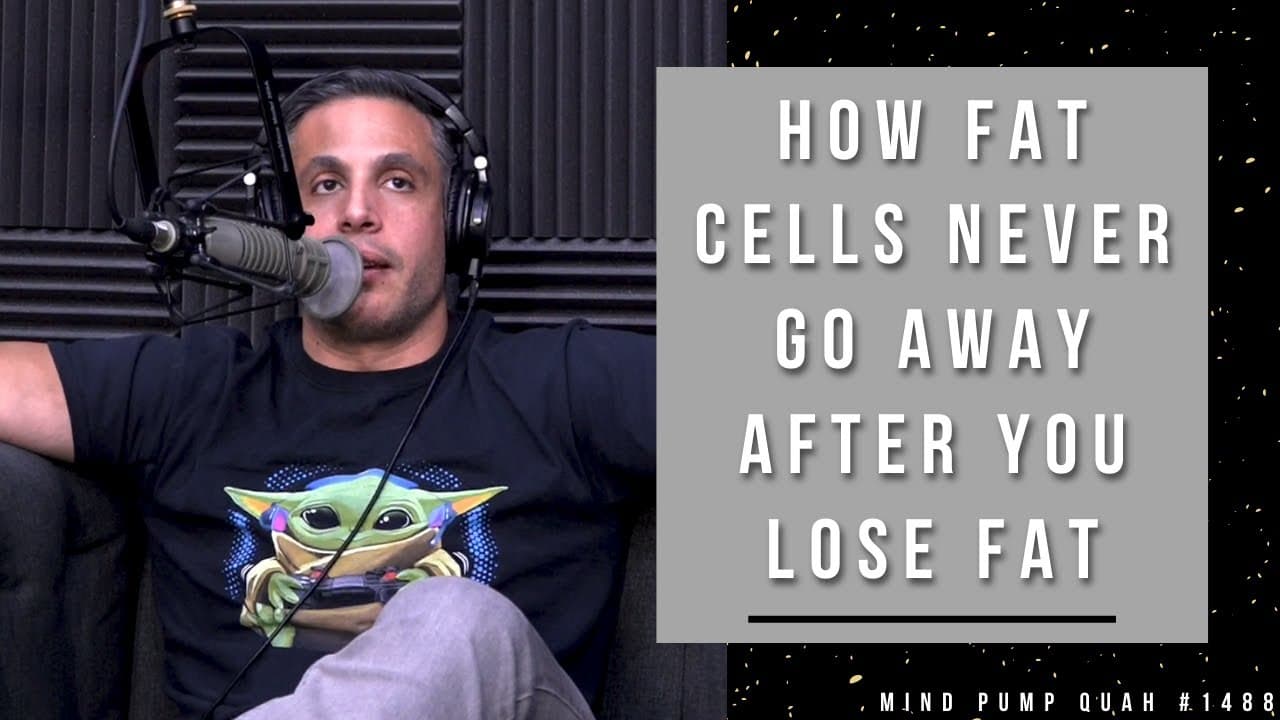
What Is Fat Cell Memory?
TL;DR
Fat cells may have a memory affecting weight gain.
Transcript
first question is from abel j flores it's often said that muscles have memory can the same be said about fat cells if so what does that process look like in terms of time if a person has lost a significant amount of fat from a healthy nutrition and exercise lifestyle you can you can kind of say this that's a great question it is a cool question fat... Read More
Key Insights
- Muscle memory is well-documented, enabling faster muscle regrowth after periods of inactivity due to retained satellite cells.
- Fat cells do not disappear when weight is lost; they shrink but remain in the body, potentially affecting future weight gain.
- Behavioral patterns contribute significantly to weight regain, as individuals often revert to previous habits after losing weight.
- Extreme dieting can lead to the addition of new fat cells, making it harder to lose weight in subsequent attempts.
- Competitors in bodybuilding often experience rapid weight regain due to metabolic adaptations and increased fat cell count.
- Most people who lose weight through crash diets tend to regain it quickly due to unsustainable lifestyle changes.
- Reverse dieting, a method to gradually increase calorie intake after dieting, is more common among competitors than the general public.
- Psychological factors, such as the all-or-nothing mindset, can lead to rapid weight regain after breaking a diet.
Install to Summarize YouTube Videos and Get Transcripts
Explore YouTube Video Summarizer or Get YouTube Transcript Extractor
Questions & Answers
Q: How does muscle memory work?
Muscle memory is the ability of muscles to regain size and strength more quickly after a period of inactivity. This occurs because muscle fibers grow and increase the number of satellite cells, which do not disappear even when the muscle shrinks. This retained cellular structure allows for faster muscle regrowth.
Q: What happens to fat cells when you lose weight?
When you lose weight, fat cells do not disappear; they simply shrink in size. The number of fat cells remains constant, which can affect future weight gain. If you regain weight, the existing fat cells expand again, and new fat cells may be added, making it harder to lose weight in subsequent attempts.
Q: Why do people often regain weight after losing it?
People often regain weight after losing it due to reverting to old behavioral patterns and habits. After losing weight, maintaining the new lifestyle can be challenging, leading individuals to revert to previous eating and activity habits, which contribute to weight regain. This is often compounded by metabolic changes that make weight maintenance difficult.
Q: How does extreme dieting affect fat cells?
Extreme dieting can lead to an increase in the number of fat cells. When individuals lose weight through crash diets and then rapidly regain it, their bodies may create additional fat cells to store the excess energy. This increases the total number of fat cells, making it harder to lose weight in the future.
Q: What is reverse dieting?
Reverse dieting is a method used to gradually increase calorie intake after a period of dieting. It aims to restore metabolic rate and prevent rapid weight regain by slowly reintroducing calories, allowing the body to adjust without adding excess fat. This approach is more common among competitors in bodybuilding than the general public.
Q: How does the all-or-nothing mindset affect weight management?
The all-or-nothing mindset can lead to rapid weight regain after breaking a diet. When individuals stray from their diet, they often abandon it entirely, leading to overconsumption and rapid weight gain. This mindset prevents sustainable weight management and complicates long-term dietary success.
Q: Why is rapid weight regain common among competitors?
Rapid weight regain is common among competitors due to metabolic adaptations and increased fat cell count. After extreme dieting for competitions, their bodies may respond by adding fat cells to store energy more efficiently, leading to quick weight gain when they return to normal eating patterns.
Q: What psychological factors contribute to weight regain?
Psychological factors such as the all-or-nothing mindset and the desire for quick results contribute to weight regain. Many individuals adopt extreme diets to lose weight quickly, but once they deviate from the diet, they abandon it entirely, leading to rapid weight gain and difficulty maintaining long-term weight loss.
Summary & Key Takeaways
-
Fat cells, unlike muscle cells, do not disappear after weight loss; they shrink but remain in the body, contributing to potential weight regain. Behavioral patterns and metabolic changes play a significant role in this process.
-
Extreme dieting can lead to an increase in fat cell count, making future weight loss more challenging. Competitors often experience rapid weight regain due to metabolic adaptations and increased fat cell count.
-
Reverse dieting, a method to gradually increase calorie intake after dieting, is more common among competitors. The all-or-nothing mindset can lead to rapid weight regain after breaking a diet, complicating long-term weight management.
Read in Other Languages (beta)
Share This Summary 📚
Summarize YouTube Videos and Get Video Transcripts with 1-Click
Try YouTube Summary with ChatGPT & Claude or YouTube Transcript Generator
Explore More Summaries from Mind Pump Show 📚



Summarize YouTube Videos and Get Video Transcripts with 1-Click
Try YouTube Summary with ChatGPT & Claude or YouTube Transcript Generator