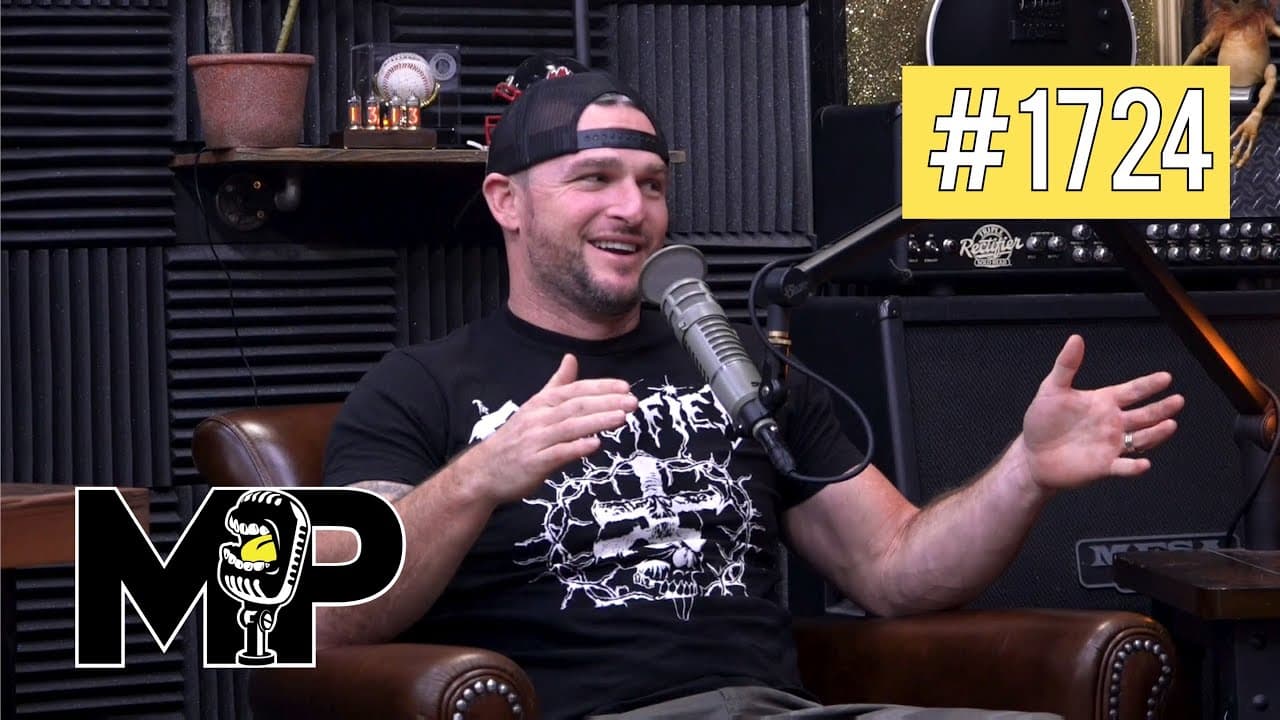
1724: How to Stop Big Bodyweight Swings, How to Workout When You Are Short on Time & More
TL;DR
Discusses workout efficiency, hydration, and managing bodyweight fluctuations.
Transcript
hey welcome back this is mind pump the best podcast in the world actually in the universe we did a uh survey here in the studio and asked ourselves and guess who won we did all right so here's the giveaway today maps aesthetic this is a bodybuilder inspired workout program you can get free access it takes about three months so it's about three mont... Read More
Key Insights
- Hydration during workouts can significantly improve performance, but it's essential to include electrolytes like sodium for optimal results.
- Modifying workout programs to fit individual needs and time constraints is crucial for maintaining consistency and achieving fitness goals.
- Supersets can be used to save time during workouts, but they should not compromise the intended adaptation of the program.
- Tracking behaviors and performance, rather than just calories and macros, can lead to more sustainable bodyweight management.
- Understanding personal workout preferences and focusing on enjoyable aspects can enhance motivation and adherence to fitness routines.
- Excessive training volume can lead to plateaus; adjusting volume and intensity based on feedback from the body is important.
- Focus sessions in workout programs are designed to be shorter and less intense, serving as recuperative rather than exhaustive exercises.
- Building metabolism involves gradually increasing calorie intake while maintaining or improving workout performance to prevent large bodyweight swings.
Install to Summarize YouTube Videos and Get Transcripts
Explore YouTube Video Summarizer or Get YouTube Transcript Extractor
Questions & Answers
Q: How can I ensure I'm properly hydrated during a workout?
Proper hydration is crucial for optimal workout performance. It's important to not only drink water but also ensure adequate electrolyte intake, particularly sodium. Products like LMNT can help maintain electrolyte balance. Monitor urine color as a simple hydration check, aiming for a light yellow.
Q: How can I maximize my workout results when short on time?
To maximize results with limited time, consider shortening rest periods or using supersets with antagonist muscle groups. Alternatively, move some exercises to focus sessions on non-foundational days. It's important to maintain workout intensity and ensure exercises align with your fitness goals.
Q: What is the ideal number of exercises per workout for optimal gains?
The ideal number of exercises depends on individual goals, fitness level, and program design. For advanced lifters, more volume may be beneficial, while beginners might need fewer exercises. Focus on quality over quantity, ensuring each exercise contributes to your overall fitness objectives.
Q: What is the method to build back metabolism after bodyweight swings?
Building metabolism involves gradually increasing calorie intake while focusing on strength and performance improvements. Avoid drastic calorie cuts and instead aim for a sustainable approach by tracking behaviors and maintaining a balanced relationship with food and exercise.
Q: How can I modify a workout program to better fit my lifestyle?
Modifying a workout program involves adjusting it to meet your time constraints and personal goals. Consider reducing rest times, incorporating supersets, or redistributing exercises across different days. Ensure changes align with your fitness objectives and maintain the program's integrity.
Q: How do I know if I'm doing too much volume in my workouts?
Signs of excessive volume include feeling exhausted post-workout, plateauing in strength gains, or losing the ability to achieve a pump. Listen to your body and consider reducing volume by cutting a set from each exercise or moving some exercises to focus days.
Q: What are focus sessions in a workout program?
Focus sessions are shorter, less intense workouts designed to target specific muscle groups or movements. They complement foundational workouts by allowing for additional volume without overtaxing the body, serving as recuperative sessions rather than exhaustive ones.
Q: How can I improve my relationship with food and exercise?
Improving your relationship with food and exercise involves focusing on behaviors and performance rather than strict calorie tracking. Find joy in your workouts, prioritize sustainable habits, and avoid extremes. Consider intuitive eating and listening to your body's signals for a balanced approach.
Summary & Key Takeaways
-
The podcast emphasizes the importance of hydration during workouts, highlighting the role of electrolytes in enhancing performance and recovery. It advises on using products like LMNT to maintain proper sodium levels.
-
Listeners are encouraged to modify workout programs to fit their schedules and personal needs. Supersets are discussed as a time-saving strategy, but caution is advised to maintain the program's intended benefits.
-
The hosts discuss managing bodyweight fluctuations by focusing on behaviors and performance rather than strictly tracking macros. They stress the importance of enjoying workouts and maintaining a balanced approach to fitness.
Read in Other Languages (beta)
Share This Summary 📚
Summarize YouTube Videos and Get Video Transcripts with 1-Click
Try YouTube Summary with ChatGPT & Claude or YouTube Transcript Generator
Explore More Summaries from Mind Pump Show 📚


Summarize YouTube Videos and Get Video Transcripts with 1-Click
Try YouTube Summary with ChatGPT & Claude or YouTube Transcript Generator