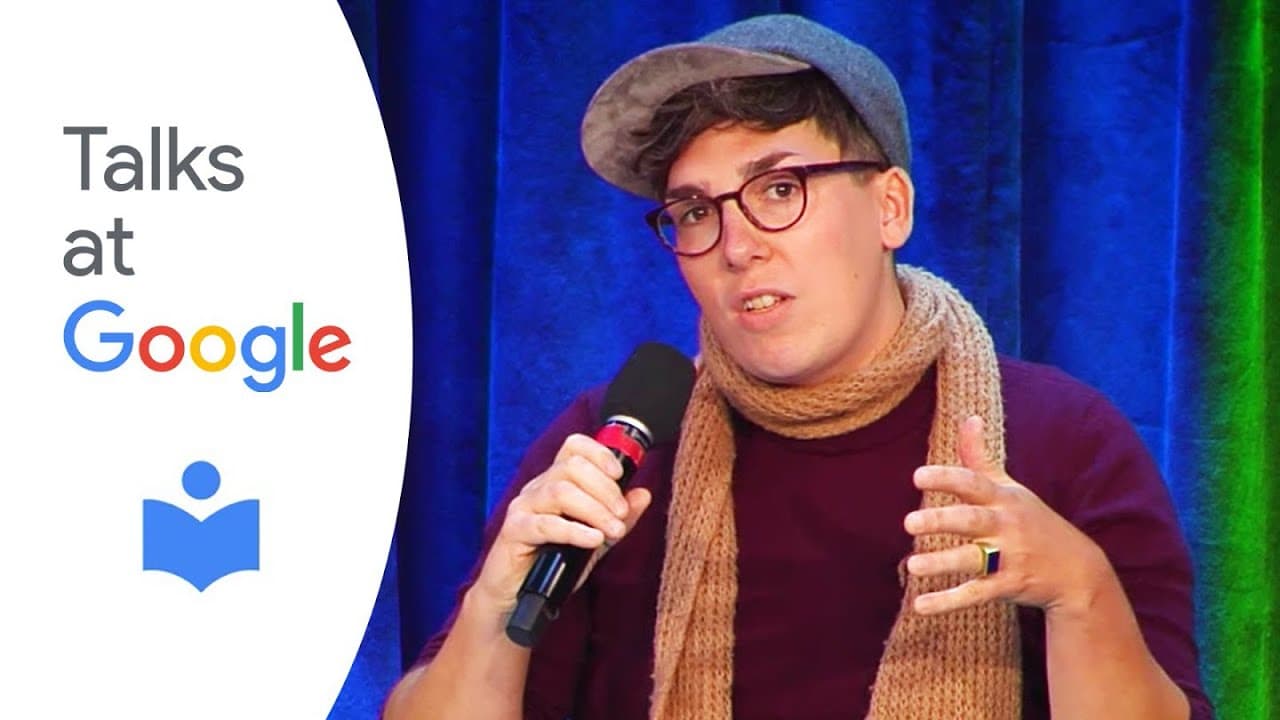
Dr. Hil Malatino | Queer Embodient and the Intersex Experience | Talks at Google
TL;DR
Assistant Professor Hil Malatino discusses intersex experiences, activism, and the need for social justice in less binary understandings of gender and sex.
Transcript
[MUSIC PLAYING] SPEAKER: I want to give you a little intro to Hil Malatino. They are an Assistant Professor in the Department of Women's Gender and Sexuality Studies at Penn State and a Research Associate at the Rock Institute. Their first book is out. It's "Queer Embodiment-- Medical Violence and Intersex"-- sorry, "Monstrosity, Medical Violence, ... Read More
Key Insights
- 😷 The medical community's response to intersex conditions varies, with some institutions working toward change, while others continue to perpetuate problematic treatment protocols.
- 🤨 Intersex activism has focused on education and raising awareness to ensure informed consent and bodily autonomy for intersex individuals.
- ⚧️ The relationship between the trans and intersex communities is complex, with some individuals mistakenly conflating the two. It is important to clarify that while there may be overlap, they are distinct identities.
- 🪡 Overemphasis on biological determinism can perpetuate surveillance technologies and intensify authenticity debates, reinforcing the need for a gender abolitionist approach.
Install to Summarize YouTube Videos and Get Transcripts
Explore YouTube Video Summarizer or Get YouTube Transcript Extractor
Questions & Answers
Q: How can the medical profession become allies to intersex individuals?
While the medical profession can be fragmented, it is important to continue raising awareness and educating practitioners about intersex experiences. Collaborations between intersex individuals, parents, and doctors have led to positive changes, but ongoing pushback and institutional change are necessary.
Q: How can we support intersex individuals without perpetuating assumptions or surveillance?
A crucial step is delinking biology and gender, while acknowledging the complexity of biological sex differentiation. Refusing new taxonomies that require proof of identity can help counter surveillance tendencies. A focus on gender inclusivity, elimination of gender markers, and informed consent can create supportive environments.
Q: How can we navigate conversations about biological sex without encouraging surveillance?
Challenging the notion that biology determines gender is vital. Society should instead refuse to categorize individuals based on appearance or bodily attributes. Informed conversations that uphold intersex and trans identities while acknowledging a wide spectrum of biological diversity are also important.
Q: How can partners be supportive of intersex individuals?
Understanding that intersex individuals may have a history of trauma and being sensitive to their experiences is crucial. Partners can educate themselves about intersex experiences and be mindful of potential triggers. Ultimately, being a supportive partner means respecting and dignifying the experiences and bodies of intersex individuals.
Summary & Key Takeaways
-
Hil Malatino provides an overview of intersex, describing it as individuals who are born with sex characteristics that do not fit into the binary notion of male or female.
-
They highlight the prevalence of nonconsensual and coercive medical treatments, trauma, and the lack of accessible and intersex-competent healthcare for intersex individuals.
-
Malatino emphasizes the need for informed consent, bodily autonomy, and an end to binary sex and gender alongside inclusive healthcare to ensure social justice for intersex individuals.
Read in Other Languages (beta)
Share This Summary 📚
Summarize YouTube Videos and Get Video Transcripts with 1-Click
Try YouTube Summary with ChatGPT & Claude or YouTube Transcript Generator
Explore More Summaries from Talks at Google 📚

Summarize YouTube Videos and Get Video Transcripts with 1-Click
Try YouTube Summary with ChatGPT & Claude or YouTube Transcript Generator