2017 Total Solar Eclipse Science Briefing
TL;DR
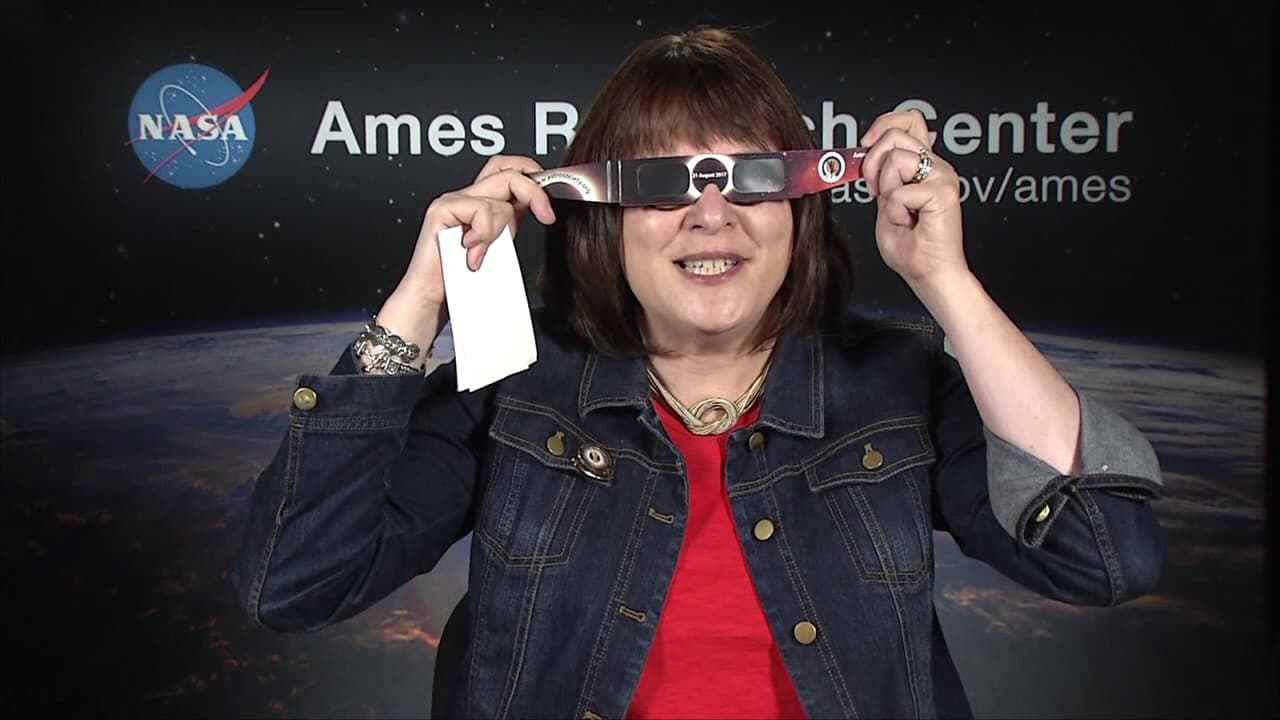
A total solar eclipse is happening on August 21, 2017, crossing coast to coast in the US, creating excitement and opportunities for scientific research and public engagement.
Transcript
well good afternoon my name is duane brown with nasa headquarters office of communications we're coming to you from the museum here in the nation's capital our first briefing featured assets and being prepared the second and last briefing is about the science you really don't want to miss this we've got some very very excited and some pretty intere... Read More
Key Insights
- 👨🔬 The total solar eclipse is an opportunity to ignite public interest in science, inspire the next generation of scientists, and engage citizens in scientific research.
- 👾 Observing the eclipse from the edge of space provides a unique perspective and the opportunity to capture awe-inspiring footage and study the atmosphere and the effects of sudden darkness on animals and plants.
- ☀️ The eclipse will be the most scientifically observed due to various research projects, and the data collected will contribute to understanding the sun, space weather, and its impact on Earth.
- 🎓 Education programs and citizen science initiatives aim to involve students and the public in eclipse research, encouraging STEM education and outreach efforts.
Install to Summarize YouTube Videos and Get Transcripts
Explore YouTube Video Summarizer or Get YouTube Transcript Extractor
Questions & Answers
Q: How did the idea of observing the eclipse from the edge of space come about?
The idea arose after seeing footage of a pilot who witnessed a total solar eclipse from the air, sparking curiosity about the unique perspective and the idea evolved into the Eclipse Ballooning Project.
Q: What can we learn by studying the eclipse's impact on the atmosphere, animals, and plants?
By studying air pressure changes and temperature drops during the eclipse, we can gather data to better understand atmospheric phenomena. Observing changes in animal behavior and plant reactions during the darkness can provide insights into their responses to sudden environmental shifts.
Q: How will the total solar eclipse be different from previous ones in terms of scientific observations?
This eclipse will be the most observed scientifically due to the extensive range of research projects, including satellite observations, balloon missions, and ground-based telescopic observations. The continuous data collection during the eclipse, along with the use of new technologies, will enhance our understanding of the sun and its effects.
Q: How many organizations and observatories will be involved in studying the eclipse?
The exact number is yet to be determined, but there will be multiple NASA spacecraft, over 50 balloon projects, three aircraft, and thousands of ground-based observatories collecting data during the eclipse.
Summary & Key Takeaways
-
The Eclipse Ballooning Project aims to provide live footage of the eclipse from the edge of space to ignite the sense of wonder and connect with the public.
-
The Astronomical Society of the Pacific discusses how past eclipses have contributed to scientific discoveries and highlights the importance of using this event to inspire the next generation of scientists.
-
The National Science Foundation focuses on the sun as a laboratory for studying stars and planets in our solar system, as well as understanding space weather and its impact on Earth.
-
Citizen KATE (Citizen Continental-America Telescopic Eclipse) project involves over 200 volunteers stationed at 68 locations across the country to gather continuous data on the corona during the eclipse.
-
The atmosphere, animals, and plants will be studied to understand their response to the eclipse, including air pressure changes, animal behavior, and plant reactions.
Read in Other Languages (beta)
Share This Summary 📚
Summarize YouTube Videos and Get Video Transcripts with 1-Click
Try YouTube Summary with ChatGPT & Claude or YouTube Transcript Generator
Explore More Summaries from NASA 📚
Summarize YouTube Videos and Get Video Transcripts with 1-Click
Try YouTube Summary with ChatGPT & Claude or YouTube Transcript Generator