How to Engage in Conversational English with Kids
TL;DR
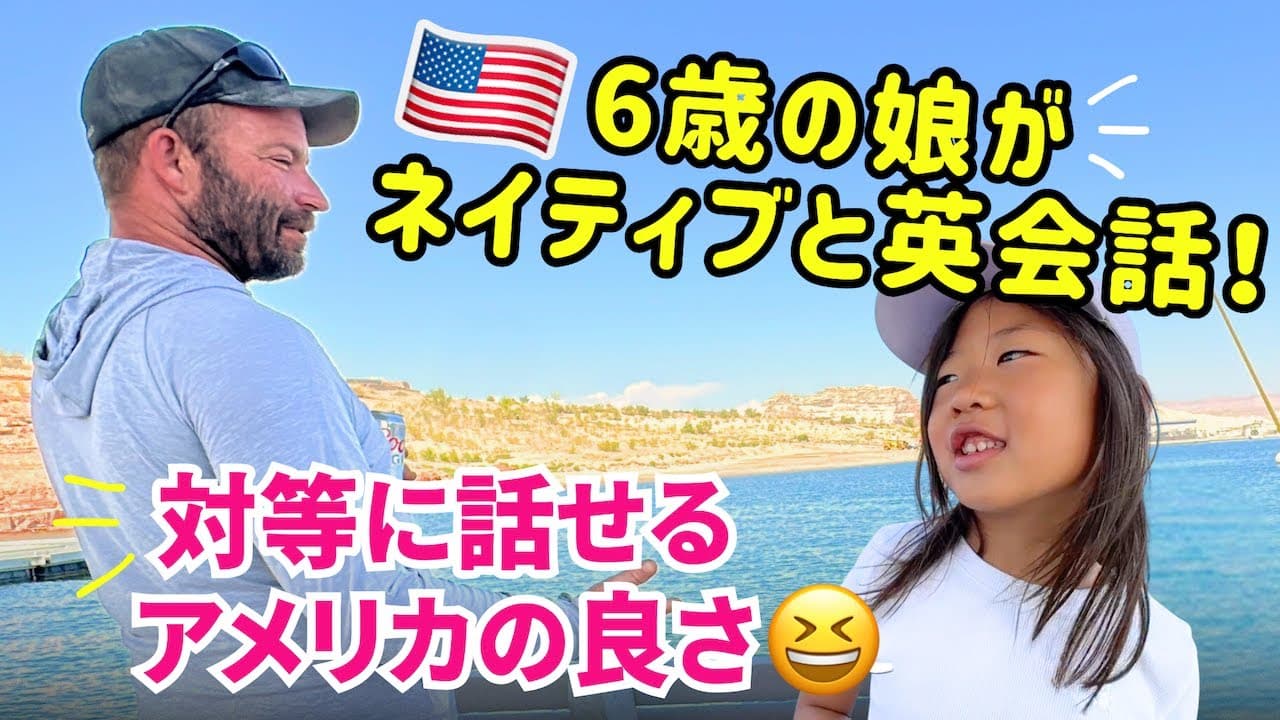
A six-year-old girl engages in conversation with native English speakers during a fishing trip in America, showcasing the cultural norm of treating children as equals in conversation. The video highlights the importance of patience and the shared joy of fishing, while also touching on the challenges of balancing work and leisure on a family road trip.
Transcript
If you had an underneath camera. GoPro, that'd be awesome. I got my own cash. Where do you think is the best place to get fishes? Will you guys be boating? Boating? Boating! So down at the marina, there's a fishing dock. Do you need the license to do that? I believe at a certain age they're free under 12. I'm not 12, I'm six. And you can fish off t... Read More
Key Insights
- Children can engage in meaningful conversations with adults when treated as equals.
- Fishing requires patience, a skill that is challenging for both children and adults.
- Cultural norms in America often involve speaking to children as equals, regardless of age.
- Family trips can be a blend of leisure and work, with parents often juggling both.
- The beauty of nature can be a compelling distraction from work obligations during trips.
- Fishing can be a communal activity that brings together people of different ages and backgrounds.
- Children's curiosity and eagerness can lead to learning experiences during travel.
- Balancing work and family time is a common challenge during vacations, but it's important to prioritize enjoyment.
Install to Summarize YouTube Videos and Get Transcripts
Explore YouTube Video Summarizer or Get YouTube Transcript Extractor
Questions & Answers
Q: How do children engage in conversations with adults in America?
Children in America often engage in conversations with adults as equals, with adults treating them with respect and engaging them in meaningful dialogue. This cultural norm allows children to learn and express themselves confidently, as demonstrated by the young girl in the video who converses with locals during a fishing trip.
Q: What is the key to successful fishing?
The key to successful fishing is patience, as it requires waiting for the right moment to catch fish. This skill is challenging for both children and adults, but perseverance and attentiveness can lead to rewarding experiences, as seen in the video where both kids and adults enjoy the process of fishing together.
Q: Why is patience important in fishing?
Patience is crucial in fishing because it involves waiting for fish to bite, which can take time. This teaches both children and adults the value of waiting and observing, turning fishing into a lesson in patience and perseverance, as highlighted in the interactions during the video.
Q: How do family trips blend work and leisure?
Family trips often involve a blend of work and leisure, with parents juggling professional responsibilities while trying to enjoy quality time with their family. The video illustrates this balance, showing how work tasks are managed alongside family activities like fishing, emphasizing the importance of prioritizing enjoyment during travel.
Q: What cultural norms are highlighted in the video?
The video highlights the American cultural norm of treating children as conversational equals, allowing them to participate actively in discussions with adults. This approach fosters confidence and learning, as shown by the young girl's interactions with locals during the fishing trip, where she is encouraged to express herself and ask questions.
Q: How does nature impact work-life balance during trips?
Nature can significantly impact work-life balance during trips by providing a calming and distracting environment that encourages relaxation and enjoyment. In the video, the beauty of the surroundings often distracts from work obligations, reminding the family to prioritize leisure and the unique experiences offered by their road trip.
Q: What learning opportunities arise from travel for children?
Travel offers children numerous learning opportunities by exposing them to different cultures, environments, and activities. In the video, the young girl learns about fishing and engages with locals, enhancing her understanding of cultural norms and practical skills, demonstrating how travel can be an educational experience for children.
Q: Why is fishing considered a communal activity?
Fishing is considered a communal activity because it brings together people of different ages and backgrounds, fostering interaction and shared experiences. The video shows how fishing serves as a platform for conversation and learning, as both children and adults engage in the activity, highlighting its role in building community and relationships.
Summary & Key Takeaways
-
A young girl engages in a lively conversation with locals during a fishing trip, illustrating the American cultural norm of speaking to children as equals. The interaction highlights the importance of patience in fishing, a challenging skill for both kids and adults. The video also touches on the balance between work and leisure during a family road trip.
-
Fishing is depicted as a communal and educational activity where patience is key. The video showcases the joy of children learning through direct experience and interaction with adults. It also reflects on the challenges parents face in balancing work responsibilities and family enjoyment during vacations.
-
The video captures the essence of a family road trip, emphasizing the value of cultural exchange and the learning opportunities that arise from engaging with locals. It underscores the importance of patience and the shared enjoyment of activities like fishing, while also addressing the practical challenges of working remotely during travel.
Read in Other Languages (beta)
Share This Summary 📚
Summarize YouTube Videos and Get Video Transcripts with 1-Click
Try YouTube Summary with ChatGPT & Claude or YouTube Transcript Generator
Explore More Summaries from バイリンガール英会話 | Bilingirl Chika 📚






Summarize YouTube Videos and Get Video Transcripts with 1-Click
Try YouTube Summary with ChatGPT & Claude or YouTube Transcript Generator