Mimicking the growth of human organs through 3D bio-printing | Adam Feinberg
TL;DR
Stem cells, 3D printing, and biology advancements will revolutionize organ repair, making transplants more accessible worldwide.
Transcript
over the next five minutes I want to tell you how the convergence of stem-cell biology material science advanced manufacturing and medicine will make organ repair and replacement commonplace my lab studies heart disease the leading cause of death worldwide during a heart attack the heart become star for blood ultimately leading to organ failure the... Read More
Key Insights
- 🥰 Organ failure due to diseases like heart disease necessitates innovative solutions for organ repair and replacement.
- 🥰 Stem cell technology, especially induced pluripotent stem cells, shows promise in generating new heart muscle cells.
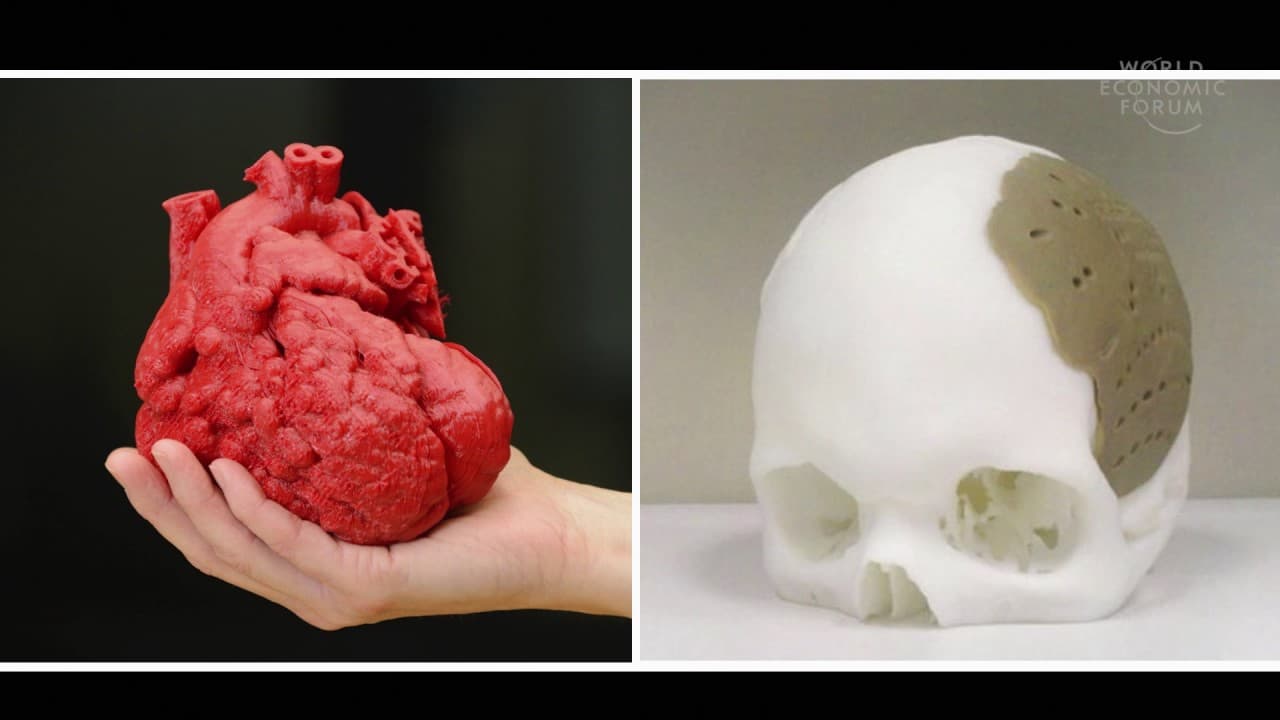
- 🦮 3D printing offers a transformative approach to creating biomimetic scaffolds for guiding regeneration in damaged organs.
- 🎮 Combining stem cells, support cells, and bioinks in 3D printing enables the creation of functional organ tissues in a controlled environment.
- 😷 Complex surgeries and medical devices are already benefiting from 3D printing technology.
- 🥹 Advancements in 3D bioprinting hold the potential to make organ transplants more accessible and efficient globally.
- 💨 The intersection of stem cell biology, material science, advanced manufacturing, and medicine is paving the way for the future of organ repair.
Install to Summarize YouTube Videos and Get Transcripts
Explore YouTube Video Summarizer or Get YouTube Transcript Extractor
Questions & Answers
Q: Why is heart disease a significant challenge in healthcare?
Heart disease is a leading cause of death globally as the heart lacks regenerative capabilities, leading to organ failure requiring transplants for treatment.
Q: How do induced pluripotent stem cells differ from embryonic stem cells?
Induced pluripotent stem cells offer the advantages of embryonic stem cells without ethical concerns, providing a potential source for generating new heart muscle cells.
Q: What role does 3D printing play in organ repair research?
3D printing enables the creation of biomimetic scaffolds for guiding cell regeneration, offering innovative solutions for engineering functional organ tissues in a controlled environment.
Q: What challenges exist in advancing 3D bioprinted organs to clinical use?
Challenges include securing funding, public and private support, and translating technological advancements into practical applications for widespread clinical use.
Summary & Key Takeaways
-
Heart disease is a major global concern due to the heart's inability to regenerate damaged cells.
-
Human induced pluripotent stem cells show promise in creating new heart muscle cells.
-
A combination of stem cells, 3D printing, and biomimetic scaffolds holds the key to engineering functional organ tissues.
Read in Other Languages (beta)
Share This Summary 📚
Summarize YouTube Videos and Get Video Transcripts with 1-Click
Try YouTube Summary with ChatGPT & Claude or YouTube Transcript Generator
Explore More Summaries from World Economic Forum 📚
Summarize YouTube Videos and Get Video Transcripts with 1-Click
Try YouTube Summary with ChatGPT & Claude or YouTube Transcript Generator