Explanation of Mixing Network - Feedback Amplifiers - Applied Electronics
TL;DR
Learn about series and shunt mixing networks in negative feedback amplifiers and how they affect the input signal.
Transcript
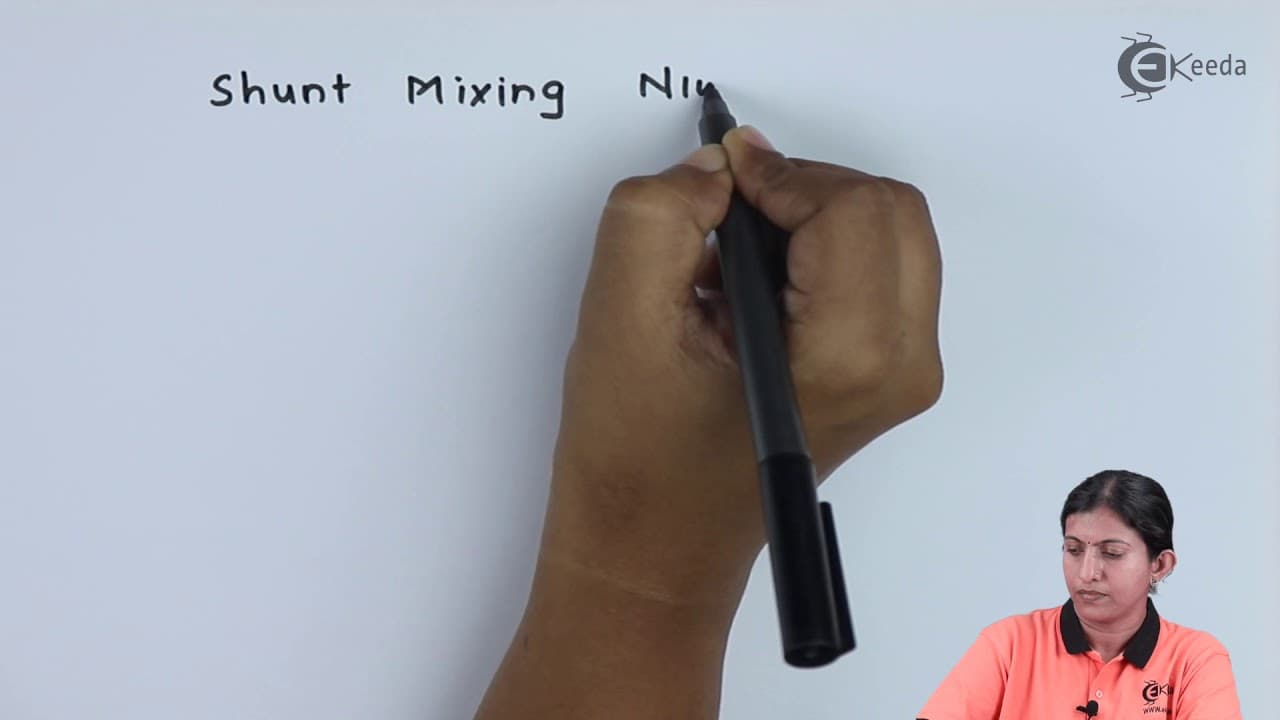
click the Bell icon to get latest videos from Ikeda hello friends today we will discuss about the mixing Network in negative feedback amplifier so indicate your feedback amplifier mixing Network that means how the part of the output is fed back to the input signal whether it is connected in series connection or whether it is connected in parallel c... Read More
Key Insights
- 🤱 Mixing networks in negative feedback amplifiers determine how the output is fed back to the input, affecting the overall circuit behavior.
- 📡 Series mixing networks involve the feedback signal in series opposition with the input signal, reducing the net input voltage.
- 📡 Shunt mixing networks use a current source and connect the feedback signal in parallel with the input signal, enabling precise control of the input current.
- 🖐️ Series and shunt mixing networks play important roles in adjusting the gain and other characteristics of negative feedback amplifiers.
- ⚾ Feedback networks can be categorized into series and shunt mixing networks based on their connection configurations.
- 👻 Mixing networks allow for fine-tuning and optimization of negative feedback amplifiers.
- 😒 Series mixing networks use voltage sources, while shunt mixing networks use current sources.
Install to Summarize YouTube Videos and Get Transcripts
Explore YouTube Video Summarizer or Get YouTube Transcript Extractor
Questions & Answers
Q: What are mixing networks in negative feedback amplifiers?
Mixing networks in negative feedback amplifiers control how a portion of the output signal is fed back to the input signal. They determine the configuration of the feedback circuit.
Q: How does a series mixing network work?
In a series mixing network, the feedback signal is in series opposition with the input signal. It decreases the net input voltage, allowing for adjustment of the amplifier's gain or other characteristics.
Q: What is the purpose of a shunt mixing network?
A shunt mixing network utilizes a current source and connects the feedback signal in parallel with the input signal. It allows for precise control of the input current and affects the overall circuit behavior.
Q: What is the difference between series and shunt mixing networks?
The main difference lies in the configuration. Series mixing networks use a voltage source in series with the resistor and feedback signal, while shunt mixing networks utilize a current source in parallel with the resistor and feedback signal.
Summary & Key Takeaways
-
Mixing networks in negative feedback amplifiers determine how a part of the output signal is fed back to the input signal.
-
In series mixing networks, the feedback signal is in series opposition with the input signal, decreasing the net input voltage.
-
In shunt mixing networks, the feedback signal is connected in parallel with the input signal, utilizing a current source.
Read in Other Languages (beta)
Share This Summary 📚
Summarize YouTube Videos and Get Video Transcripts with 1-Click
Try YouTube Summary with ChatGPT & Claude or YouTube Transcript Generator
Explore More Summaries from Ekeeda 📚



Summarize YouTube Videos and Get Video Transcripts with 1-Click
Try YouTube Summary with ChatGPT & Claude or YouTube Transcript Generator