FDI & NAFTA
TL;DR
NAFTA increased FDI in Mexico, but effects on wages and employment were limited.
Transcript
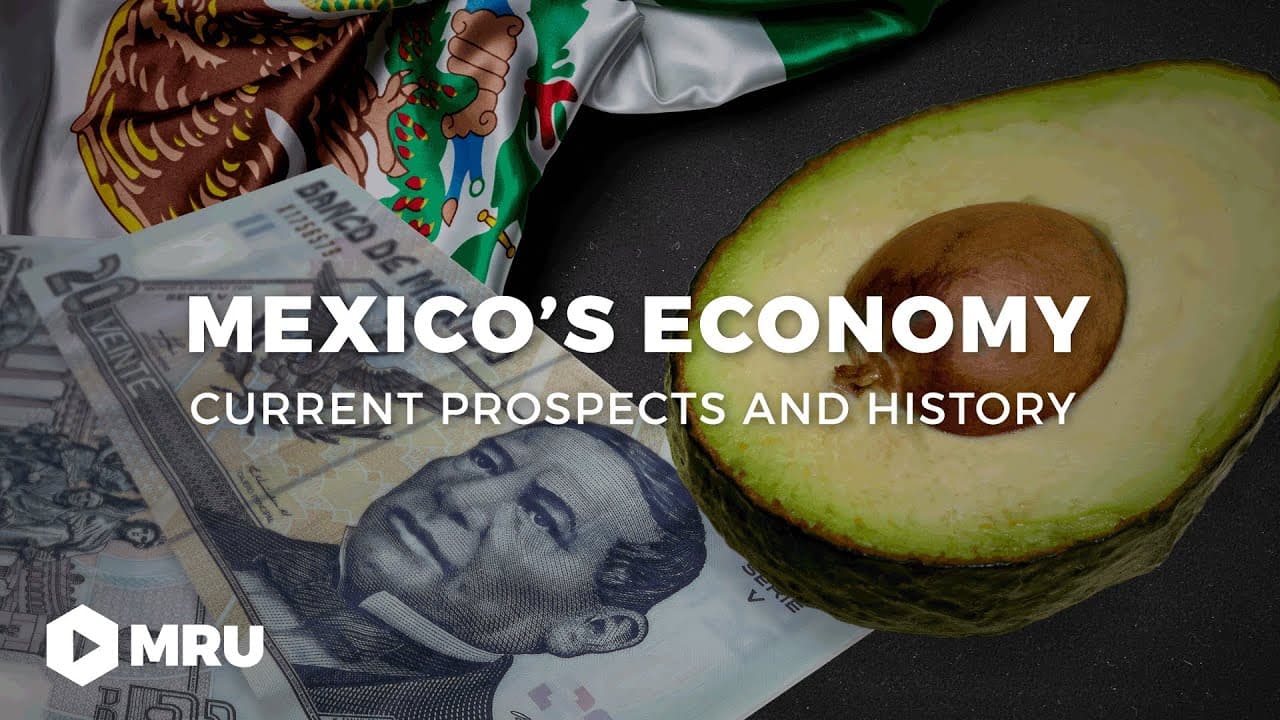
Mexican policymakers hope that the passage of NAFTA would spur foreign direct investment in the country in this video we discuss FDI in Mexico whether or not to significantly increased in flows and what kind of effect that investment has had on the economy let's start with a brief overview in the 12 years after NAFTA was signed Mexico received abou... Read More
Key Insights
- NAFTA led to a significant increase in FDI in Mexico, with most investments directed towards manufacturing and services sectors.
- Despite expectations, maquiladora operations continued to attract substantial FDI post-NAFTA due to ongoing tax advantages.
- The majority of FDI in Mexico comes from developed countries, particularly the U.S., followed by EU nations like the UK, Germany, and Spain.
- Vertical FDI increased due to NAFTA, utilizing Mexico's low labor costs and free trade benefits, while horizontal FDI saw a reduction.
- NAFTA included provisions like the most favored nation clause and national treatment principle, encouraging foreign investment by ensuring fair treatment.
- FDI has positively impacted productivity in Mexico, particularly in manufacturing, but has not significantly raised average wages.
- Employment in the maquiladora sector grew more rapidly than in non-maquiladora sectors, but overall employment effects were limited.
- FDI primarily benefited employers rather than workers, with limited impact on reducing income inequality despite increasing unskilled labor wages.
Install to Summarize YouTube Videos and Get Transcripts
Explore YouTube Video Summarizer or Get YouTube Transcript Extractor
Questions & Answers
Q: How did NAFTA affect FDI inflows into Mexico?
NAFTA significantly increased FDI inflows into Mexico, with flows rising by about 70% according to a 2005 paper by Cuevas et al. However, the increase was less than some models predicted, possibly due to external factors like the tequila crisis. Despite this, NAFTA's provisions reassured investors and encouraged FDI, particularly in manufacturing and services sectors.
Q: What sectors received the most FDI in Mexico post-NAFTA?
Post-NAFTA, the majority of FDI in Mexico was directed towards manufacturing and services sectors. Within manufacturing, significant investments were made in metals, electrical equipment, automobile manufacturing, food processing, and chemicals. In services, retail and wholesale trade, as well as banking and insurance, attracted substantial foreign investment.
Q: Why did maquiladora operations continue to attract FDI after NAFTA?
Maquiladora operations continued to attract FDI post-NAFTA due to ongoing tax advantages, even as tariffs between the U.S. and Mexico fell. Multinational corporations remained interested in these operations for their cost-effective assembly line production capabilities, allowing them to take advantage of Mexico's low labor costs and export products to richer countries with minimal tariffs.
Q: What role did developed countries play in FDI in Mexico?
Developed countries played a significant role in FDI in Mexico, with the U.S. being the largest contributor, accounting for over 60% of FDI flows from 1994 to 2005. Other OECD countries, particularly EU nations like the UK, Germany, and Spain, also contributed significantly, making up about 25% of inflows. This investment was driven by economic ties, geographic proximity, and market opportunities.
Q: How did NAFTA's provisions encourage foreign investment in Mexico?
NAFTA included several provisions that encouraged foreign investment in Mexico. The most favored nation clause ensured that North American investors received treatment at least as favorable as those from outside the region. The national treatment principle prohibited discrimination among investors from the three countries. Additionally, the opening of capital markets allowed for free exchange of foreign investments, reassuring investors and promoting FDI.
Q: What impact did FDI have on wages and employment in Mexico?
FDI had a mixed impact on wages and employment in Mexico. While it positively affected productivity, particularly in manufacturing, it did not significantly raise average wages. Employment grew more rapidly in the maquiladora sector compared to non-maquiladora sectors, but overall employment effects were limited. FDI primarily benefited employers, with minimal impact on reducing income inequality despite some wage increases for unskilled labor.
Q: What is the difference between vertical and horizontal FDI?
Vertical FDI involves multinational companies having different stages of production in different countries to leverage local conditions, often seen in maquiladoras. Horizontal FDI occurs when companies manufacture goods in various countries for domestic markets, typically due to trade barriers. NAFTA led to an increase in vertical FDI by reducing trade barriers, while horizontal FDI decreased as free trade made local production less necessary.
Q: How did NAFTA influence the distribution of FDI among different sectors in Mexico?
NAFTA influenced the distribution of FDI in Mexico by making the country more attractive for vertical FDI, especially in manufacturing sectors like metals, electrical equipment, and automobiles. Services sectors such as banking and insurance also saw increased investment. However, sectors like agriculture and mining received minimal FDI due to their labor-intensive nature and lower attractiveness for foreign investors seeking capital-intensive opportunities.
Summary & Key Takeaways
-
NAFTA significantly increased FDI inflows into Mexico, particularly in manufacturing and services, but the effects on wages and employment were mixed. While productivity saw improvements, average wages did not rise significantly, and employment growth was limited to specific sectors like maquiladoras.
-
The majority of FDI in Mexico comes from developed countries, with the U.S. being the largest contributor. NAFTA's provisions, such as the most favored nation clause, reassured investors by ensuring fair treatment and encouraging foreign investment.
-
Despite expectations, maquiladora operations continued to attract substantial FDI post-NAFTA due to ongoing tax advantages. Vertical FDI increased, leveraging Mexico's low labor costs, while horizontal FDI saw a reduction due to decreased trade barriers.
Read in Other Languages (beta)
Share This Summary 📚
Summarize YouTube Videos and Get Video Transcripts with 1-Click
Try YouTube Summary with ChatGPT & Claude or YouTube Transcript Generator
Explore More Summaries from Marginal Revolution University 📚

Summarize YouTube Videos and Get Video Transcripts with 1-Click
Try YouTube Summary with ChatGPT & Claude or YouTube Transcript Generator