Why Is American Sign Language Important in Deaf Culture?
TL;DR
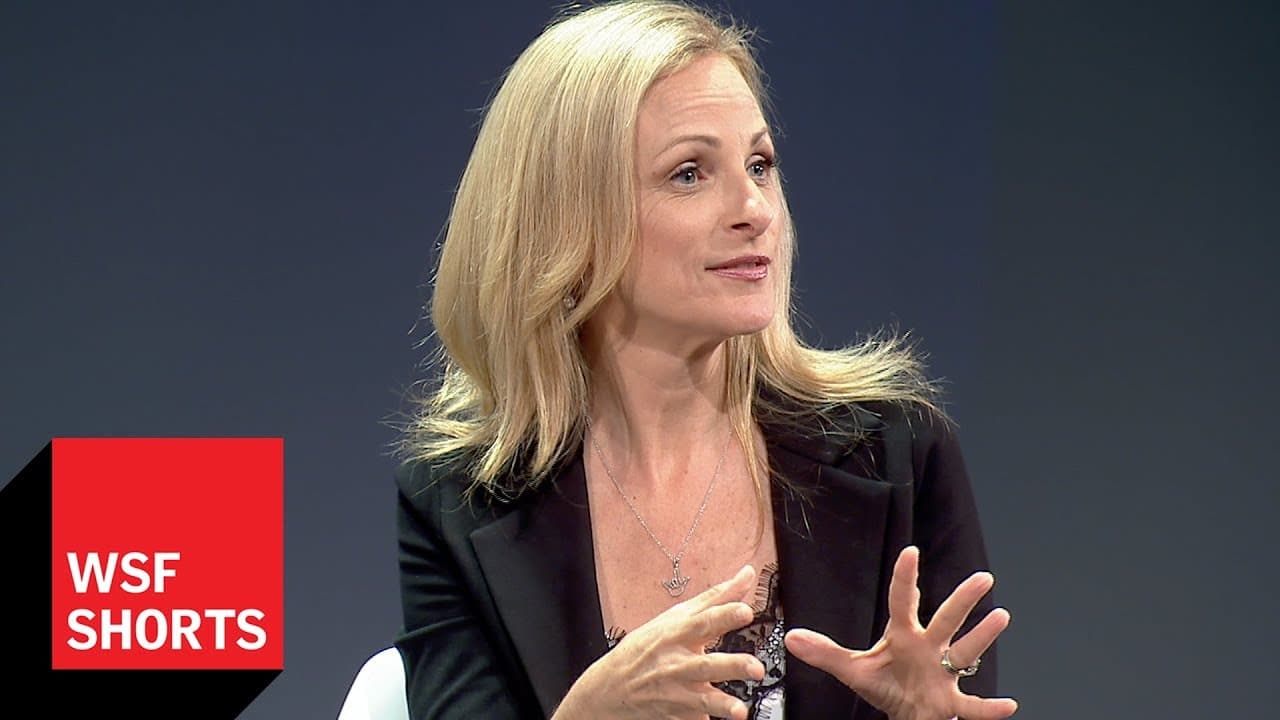
American Sign Language (ASL) is crucial for fostering a strong Deaf culture as it enables visual communication and community identity. While cochlear implants may benefit some individuals, ASL emphasizes the unique cultural and linguistic aspects of being Deaf. Deaf people should be empowered to define their identities without outside pressure, ensuring all communication options are fully explored.
Transcript
hospitals today will give you paperwork that's okay here's an option cochlear implant here's another option that really they don't go into depth talk about the the benefits of American Sign Language all the different options that are available that you can provide to your child whether you can even explore them or or even google them and there is s... Read More
Key Insights
- 🙉 Hospitals must provide comprehensive information about all communication options for deaf children, including American Sign Language.
- 🗯️ Deaf individuals should have the right to define themselves and their identity without external influence.
- 💦 Cochlear implants may work for some, but sign language remains essential for those who rely on visual communication.
- 🙉 Deaf culture is unique and varied, with different sign languages and cultural aspects in each community.
- 🥰 Deaf culture should be respected and celebrated, as it represents language, art, education, and community.
- 🙉 Sign language is not an international language; each deaf community has its own language.
- 🥰 Deaf individuals face societal pressure to conform to hearing norms, which can restrict their autonomy.
Install to Summarize YouTube Videos and Get Transcripts
Explore YouTube Video Summarizer or Get YouTube Transcript Extractor
Questions & Answers
Q: Why is it important for hospitals to provide information on various options for deaf children?
It is crucial for hospitals to discuss the benefits of American Sign Language and explore different avenues to empower parents to make informed decisions about their child's communication methods.
Q: What is the difference between someone with a progressive hearing loss getting a cochlear implant versus someone who has never heard?
Individuals with a progressive hearing loss may have a personal background with sound and may choose a cochlear implant. However, those who have never heard often prefer sign language as their main mode of communication.
Q: How can sign language be considered a cultural aspect of the deaf community?
Sign language is a unique language specific to each deaf community, representing their culture, art, education, and community. It is not an international language, and various sign languages exist around the world.
Q: Why do deaf individuals often face resistance from others regarding their choices?
Society often tries to control the lives of deaf individuals, making assumptions about what is best for them without truly understanding their experiences. Deaf people should have autonomy over their own lives.
Summary & Key Takeaways
-
Hospitals often prioritize cochlear implants over discussing the benefits of American Sign Language and other options for deaf children.
-
Deaf individuals should have a say in defining themselves and their identity, rather than being dictated by others' perceptions.
-
Cochlear implants may work for some, especially those with a progressive hearing loss, but sign language is preferred by those who rely on visual communication.
Read in Other Languages (beta)
Share This Summary 📚
Summarize YouTube Videos and Get Video Transcripts with 1-Click
Try YouTube Summary with ChatGPT & Claude or YouTube Transcript Generator
Explore More Summaries from World Science Festival 📚



Summarize YouTube Videos and Get Video Transcripts with 1-Click
Try YouTube Summary with ChatGPT & Claude or YouTube Transcript Generator