10 Game Features That Are EVOLVING BACKWARDS
TL;DR
Many modern game features have regressed, shifting from innovative designs to monetization strategies.
Transcript
- [Falcon] As time passes, we expect things to get bigger, better, or at least develop in some way. But there are some things that are going in the wrong direction. Hi folks, it's Falcon and today on Gameranx, 10 game features that are evolving backwards. Starting off at number 10, it's Unlockables. Now lists like this can easily dip into old man y... Read More
Key Insights
- 📈 The transition from unlockable content to microtransaction models reflects a broader trend towards monetization in gaming.
- 👾 Multiplayer components of single-player games are diminishing, as profitability takes priority over player enjoyment and creativity.
- 💗 The decline of community-driven modding highlights a growing trend of restricting player creativity in favor of controlled content environments.
- 🎮 The evolution of destructible environments has stagnated, often prioritizing visual fidelity over interactive gameplay elements.
- 👾 Simplified ally command systems in modern games reduce tactical depth, contributing to less engagement in combat scenarios.
- 💨 Enemy AI has become less challenging, moving away from intelligent and strategic design towards easier-to-manage opponents.
- 🥺 The lack of creative Easter eggs and developer hidden features in modern titles leads to a more generic gaming experience.
Install to Summarize YouTube Videos and Get Transcripts
Explore YouTube Video Summarizer or Get YouTube Transcript Extractor
Questions & Answers
Q: What are some examples of unlockables that have been replaced by microtransactions in modern games?
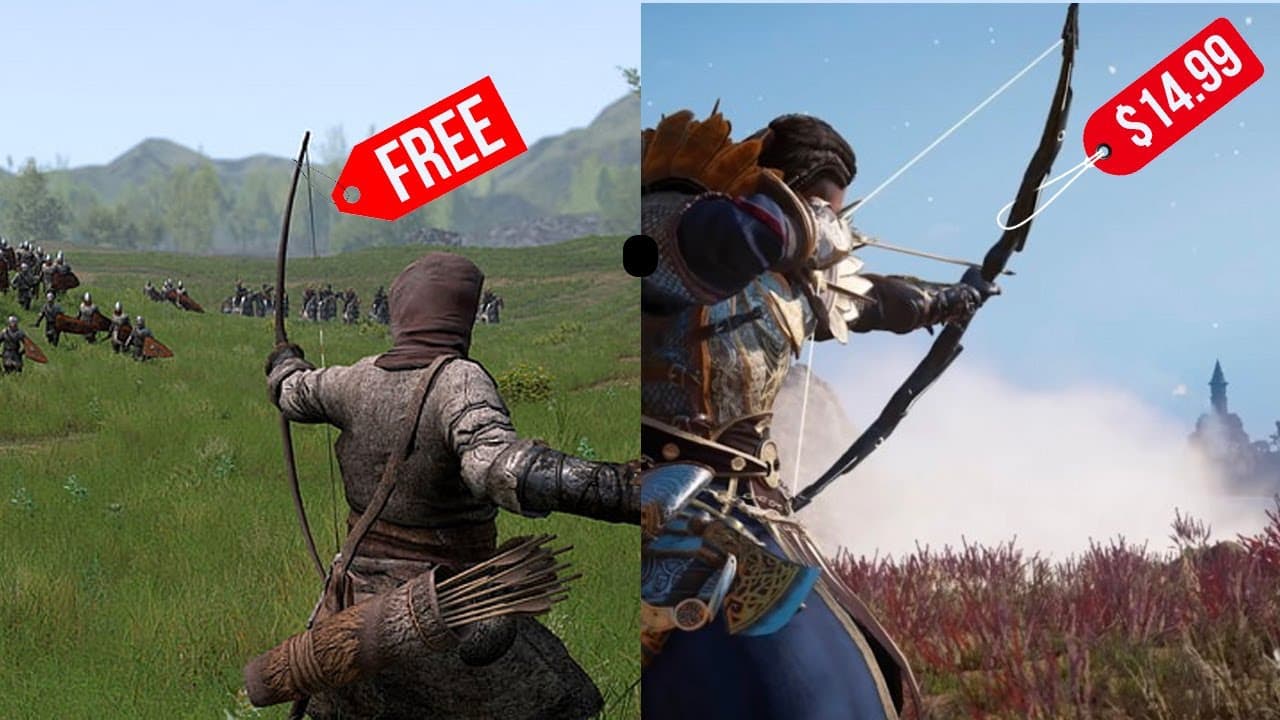
Unlockable content, such as bonus weapons and costumes, has significantly diminished in favor of microtransactions. Notably, franchises like Assassin's Creed now feature cash shops where players must pay for cost-effective items that previously could be unlocked through gameplay achievements. This change undermines the value of player investment and satisfaction.
Q: Why did developers shift from including multiplayer modes in single-player games?
The shift away from multiplayer modes in single-player experiences appears to be driven by the need for games to become financially sustainable. As seen in the abandonment of popular modes like Last of Us factions, the industry has prioritized creating standalone multiplayer experiences that maximize profit, often neglecting creative additions to single-player content.
Q: How have in-game level editors and mod support evolved in recent years?
Previously, games like Duke Nukem 3D and Far Cry allowed players extensive modding capabilities, significantly extending the game life through fan-created content. Now, many developers avoid building level editors to prevent cheating and curtail the free additional content that players might create, limiting community engagement and innovation.
Q: What has happened to the realism of damage and destruction in games?
In earlier gaming eras, like the Xbox 360 and PS3 days, games featured highly destructible environments. Titles such as Red Faction Guerrilla showcased significant in-game damage capabilities. Now, many games have abandoned extensive destruction features in favor of static designs, focusing instead on graphical fidelity, which often sacrifices interactivity and gameplay enjoyment.
Q: How have the mechanics for commanding allies in games changed?
Many modern games have simplified ally control mechanics, moving away from tactical command systems that required players to order and strategize with their teammates. This regression limits tactical depth and reduces overall enjoyment, as players can now experience diminished interaction with allies compared to classic titles like Gears of War.
Q: In what ways has enemy AI performance declined in recent games?
Historically, enemy AI was designed to present realistic challenges, with guards reacting intelligently to player actions. However, many current games feature simplified AI that often fails to respond effectively to stealth tactics, making gameplay less engaging. This regression lowers the difficulty and eliminates the thrill of overcoming intelligent opponents.
Q: How have Easter eggs and quirky game modes changed in recent times?
Older games featured numerous Easter eggs that reflected developers' creativity and humor, enhancing the player experience. Recent titles tend to lack this personality, offering fewer interesting modes and easter eggs, perhaps due to an increased focus on mainstream appeal rather than catering to the unique quirks that once defined gaming culture.
Q: What have been the changes in the user interface and menu design in games?
Despite advances in technology, user interfaces in modern games are often criticized for being cumbersome and unintuitive. Development teams seem to struggle with crafting effective menu systems, leading to clunky navigation, which detracts from gameplay. The industry seems to struggle with designing menus that enhance usability instead of complicating the player experience.
Summary & Key Takeaways
-
Unlockable content has largely been replaced by microtransactions and in-game purchases, detracting from the sense of achievement that used to accompany player progression in games.
-
The trend of adding multiplayer modes to single-player games has diminished, reflecting a focus on profitability over creative game development and player enjoyment.
-
The decline of mod support and level editors in games has stunted community creativity, with developers often prioritizing profit over individual expression.
Read in Other Languages (beta)
Share This Summary 📚
Summarize YouTube Videos and Get Video Transcripts with 1-Click
Try YouTube Summary with ChatGPT & Claude or YouTube Transcript Generator
Explore More Summaries from gameranx 📚





Summarize YouTube Videos and Get Video Transcripts with 1-Click
Try YouTube Summary with ChatGPT & Claude or YouTube Transcript Generator