Color Theory Applied to Fashion Design
TL;DR
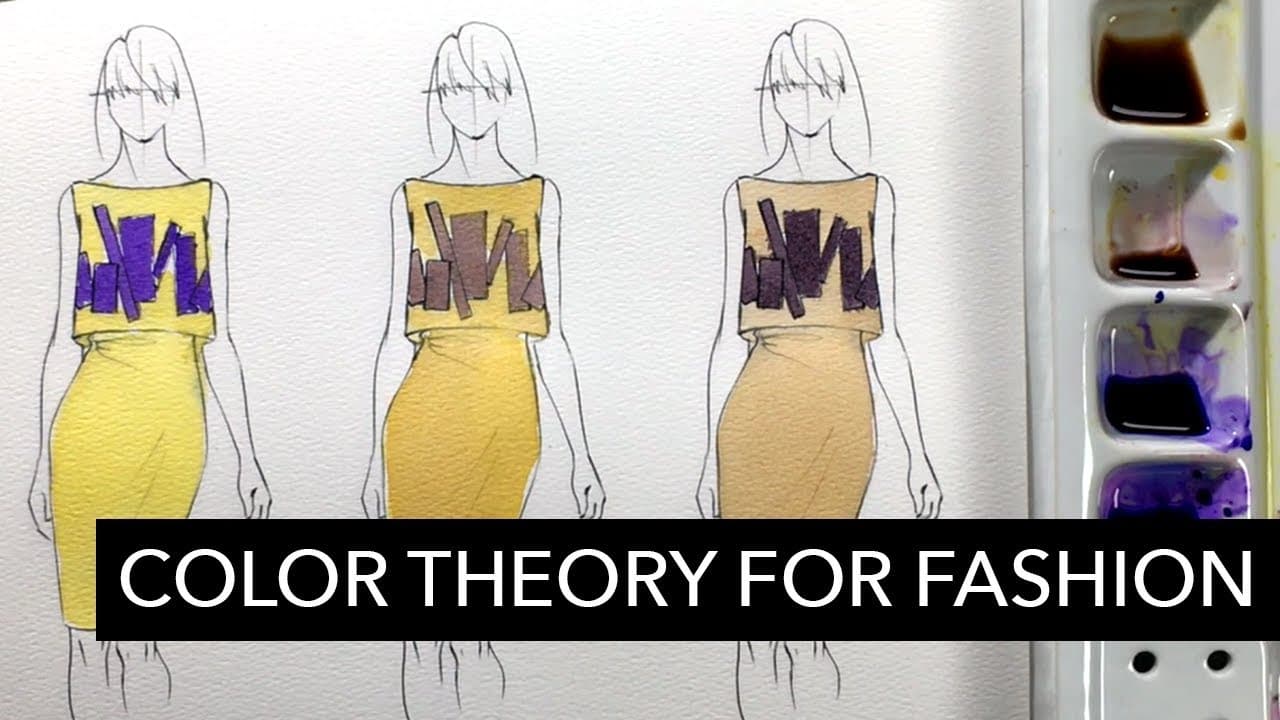
This video demonstrates how different color schemes and value placement in fashion design can evoke different moods and convey different messages to the viewer.
Transcript
hey Marty people in this video I want to show you how color theory concepts translate in practical application to fashion design I have mentioned this before but I use two different color wheels I use your standard red yellow and blue color wheel for design purposes for matching colors for figuring out what goes with what figuring out color schemes... Read More
Key Insights
- 🎨 Color theory in fashion design helps convey messages and create specific moods.
- ❓ Different color schemes, such as monochromatic, analogous, and complementary, offer various options for designers to explore.
- 🎨 Value placement can alter the perceived proportions and emphasis of a design.
- 😐 Complementary colors can be used in more muted and neutral tones for a harmonious color palette.
- 🈸 Understanding color theory and its practical application is essential for fashion designers.
- ❓ Focusing on deliberate and educated color choices can enhance a designer's skillset.
- 😑 Color theory offers endless possibilities for creative expression and experimentation in fashion design.
Install to Summarize YouTube Videos and Get Transcripts
Explore YouTube Video Summarizer or Get YouTube Transcript Extractor
Questions & Answers
Q: How does color theory influence fashion design?
Color theory plays a crucial role in fashion design as it helps designers convey specific messages and evoke certain moods through the use of color palettes.
Q: What is the difference between monochromatic, analogous, and complementary color schemes?
A monochromatic color scheme uses shades and tones of a single color, while an analogous color scheme involves using colors that are neighbors on the color wheel. Complementary color schemes utilize colors that are opposite to each other on the color wheel.
Q: How does value placement impact a design?
Value placement, or the arrangement of light and dark colors, can change the perceived proportions and emphasis of a design. Dark colors tend to make things look smaller, while light colors make them appear larger.
Q: Can complementary colors be used in more muted and neutral tones?
Yes, complementary colors can be mixed and muted with each other to create more neutral tones. This allows for harmonious color combinations that are not overly bright or contrasting.
Summary & Key Takeaways
-
The video explores the use of color theory in fashion design, specifically focusing on different color schemes and value placement.
-
The three dresses showcased in the video each demonstrate a different color scheme: monochromatic, analogous, and complementary.
-
Value placement, or the distribution of lightness and darkness in a design, is also discussed and shown in the three dresses.
Read in Other Languages (beta)
Share This Summary 📚
Summarize YouTube Videos and Get Video Transcripts with 1-Click
Try YouTube Summary with ChatGPT & Claude or YouTube Transcript Generator
Explore More Summaries from Zoe Hong 📚





Summarize YouTube Videos and Get Video Transcripts with 1-Click
Try YouTube Summary with ChatGPT & Claude or YouTube Transcript Generator