Grasping Shadows: The Dark Side of Painting - Professor William Sharpe
TL;DR
Shadows play a vital role in art and culture, representing deeper meanings and emotions that go beyond their mere physical presence.
Transcript
Thank You Valerie Thank You grist from college for inviting me and thank you all very much for being here this afternoon it's great pleasure to speak to you welcome to the world of shadows today I'd like to talk to you about how artists use shadows in painting and also I would like to suggest a certain way of looking at shadows that I hope will she... Read More
Key Insights
- 🌍 Shadows have practical as well as symbolic functions in our everyday lives, helping us navigate the world and protecting us from harm.
- 💦 Artists have utilized shadows to add depth, realism, and emotional depth to their works, evolving techniques and styles over time.
- 🤑 Shadows in literature and culture are rich with symbolism and metaphor, representing hidden truths, fears, and the exploration of the human psyche.
- 🙂 Shadows can serve as a catalyst for scientific discoveries, revealing important information about the material world and the nature of light and shadow.
- 🥰 Different types of shadows in art, such as vital, look elsewhere, completing, and independent shadows, serve different purposes and convey different meanings.
Install to Summarize YouTube Videos and Get Transcripts
Explore YouTube Video Summarizer or Get YouTube Transcript Extractor
Questions & Answers
Q: How have shadows contributed to scientific discoveries throughout history?
Shadows have played a crucial role in scientific breakthroughs, such as Aristotle discovering the roundness of the Earth by observing the shadow it cast on the moon during an eclipse, and Galileo's observation of shadows on the moon indicating the moon's material composition.
Q: How do shadows function in literature and culture?
Shadows have become a powerful symbol in literature and culture, representing deeper meanings and emotions. They are often associated with mystery, fear, and hidden truths, as well as the idea of doubling and duality.
Q: What are the different types of shadows in art?
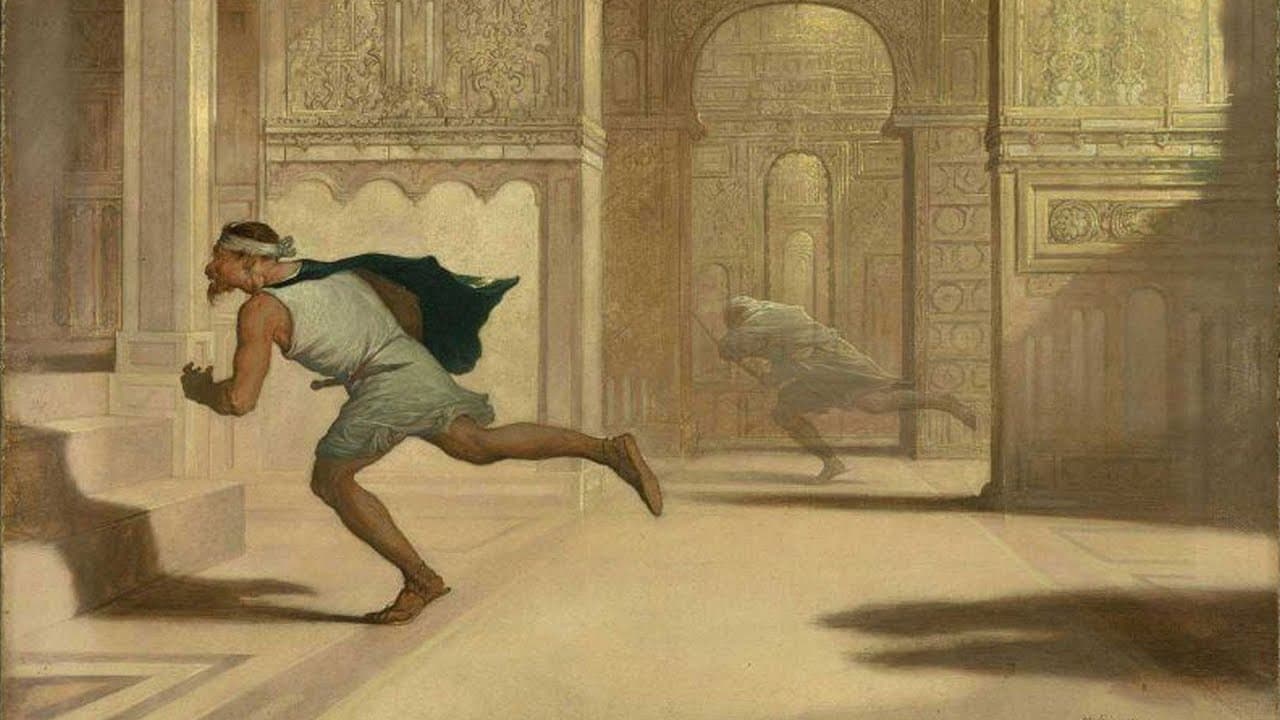
Shadows in art can be classified into four categories: vital shadows that emanate from objects and represent their inner qualities, look elsewhere shadows that reinforce realism by sending viewers to other objects or locations, completing shadows that are detachable or independent from their casters, and independent shadows that exist on their own and represent magical or supernatural elements.
Q: How did artists in ancient civilizations approach shadows in their art?
Ancient Greek and Roman art focused more on modeling shadows or self-shadows, which added dimension and depth to objects. Cast shadows were relatively rare in these civilizations' artwork until the influence of ancient Greek civilization brought a geometry of light and shadow to Western art.
Summary & Key Takeaways
-
Shadows are often overlooked in everyday life but have numerous functions, such as helping us navigate the world and protecting us from danger.
-
Artists have used shadows to add depth and realism to their artwork, with different styles and techniques evolving over time.
-
Shadows can be seen as a metaphorical representation of inner thoughts and emotions, serving as a vocabulary in literature and culture.
Read in Other Languages (beta)
Share This Summary 📚
Summarize YouTube Videos and Get Video Transcripts with 1-Click
Try YouTube Summary with ChatGPT & Claude or YouTube Transcript Generator
Explore More Summaries from Gresham College 📚

Summarize YouTube Videos and Get Video Transcripts with 1-Click
Try YouTube Summary with ChatGPT & Claude or YouTube Transcript Generator