How to Identify If Your Workout Fits You
TL;DR
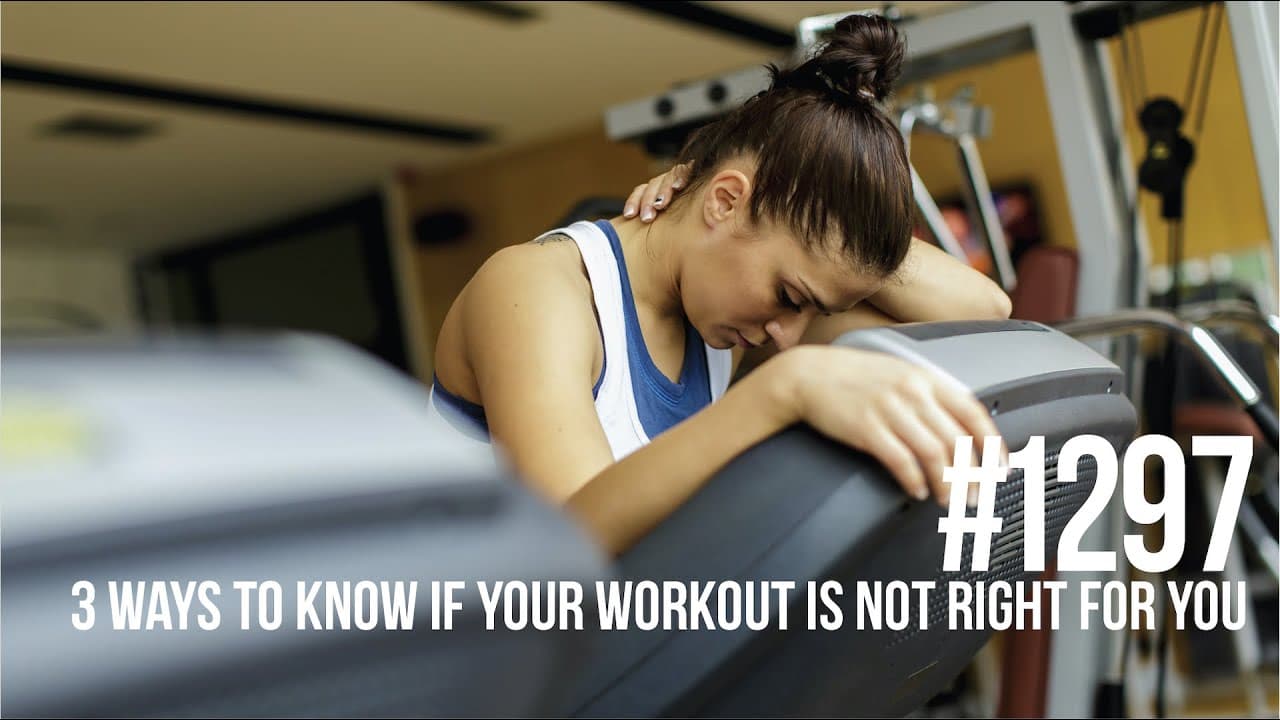
To determine if your workout is suitable, evaluate your results, how you feel, and the sustainability of your routine. Achieving the right workout involves seeing positive changes in strength and body composition, feeling energized without excessive soreness, and maintaining a routine that fits your lifestyle long-term.
Transcript
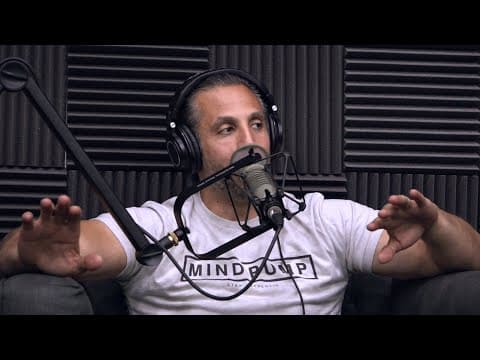
in this episode of mind pump the world's top fitness health and entertainment podcast we talk about workouts uh now a lot of you who listen to this podcast are currently either working out literally at this moment or following a workout program and one of the hard things to figure out is whether or not the workout is actually the best one for you l... Read More
Key Insights
- Results are a primary indicator of workout effectiveness, but they can be misleading if based solely on weight changes.
- Strength gains are typically a positive sign, but they should be assessed relative to body weight changes.
- Feeling good after workouts, with increased energy and reduced pain, indicates a suitable routine.
- Excessive soreness and joint pain suggest an inappropriate workout intensity or routine.
- Sustainability is crucial; a workout should fit into your long-term lifestyle without causing burnout.
- Sleep quality often reflects workout effectiveness; good workouts generally improve sleep.
- Libido can be a marker of workout impact on hormonal health; a balanced routine supports a healthy libido.
- Consistency and enjoyment in workouts enhance adherence and long-term success.
Install to Summarize YouTube Videos and Get Transcripts
Explore YouTube Video Summarizer or Get YouTube Transcript Extractor
Questions & Answers
Q: How to know if your workout is effective?
An effective workout results in positive changes in strength, body composition, and energy levels. You should feel energized rather than excessively sore or in pain. Additionally, the routine should be sustainable, fitting into your lifestyle without causing burnout, and should improve aspects like sleep quality and libido.
Q: What are signs your workout is not right for you?
Signs your workout may not be right include lack of results, excessive soreness, joint pain, poor sleep, and decreased libido. If the routine feels unsustainable and negatively impacts your lifestyle or mood, it may need adjustment. Consistency and enjoyment in workouts are also crucial for long-term success.
Q: Why is sustainability important in a workout routine?
Sustainability ensures that a workout routine can be maintained long-term without causing burnout. It allows for consistent progress and helps integrate fitness into your lifestyle. A sustainable routine balances time, intensity, and enjoyment, making it more likely you'll stick with it and achieve lasting results.
Q: How does sleep quality relate to workout effectiveness?
Good workout routines generally improve sleep quality by balancing stress and recovery. If a workout leaves you feeling excessively tired or disrupts sleep patterns, it may be too intense. Sleep quality is a crucial recovery component, affecting energy levels, mood, and overall health, indicating the effectiveness of your workout.
Q: What role does libido play in assessing workout impact?
Libido can reflect hormonal health and the balance of a workout routine. A suitable workout should support a healthy libido by maintaining hormonal balance. If you experience a decrease in libido, it may indicate overtraining or stress, suggesting the need to adjust your workout intensity or recovery practices.
Q: How can you assess if you're making progress in your workouts?
Progress can be assessed by tracking strength gains, improvements in body composition, and overall energy levels. It's also important to consider how you feel during and after workouts, including pain levels and mood. Consistent progress in these areas indicates a well-suited workout routine.
Q: Why might strength gains be misleading in workout assessment?
Strength gains can be misleading if they result from improved technique or aids like weight belts rather than true muscle growth. It's essential to evaluate strength relative to body weight changes to ensure genuine progress. Gains should accompany improvements in body composition and overall fitness.
Q: How can you maintain motivation in your workout routine?
Maintaining motivation involves setting varied goals, enjoying your workouts, and ensuring they fit your lifestyle. Periodically changing your workout focus or trying new activities can keep things exciting. Consistency, enjoyment, and seeing progress are key to staying motivated and committed long-term.
Summary & Key Takeaways
-
Evaluating if a workout is right for you involves assessing results, feelings, and sustainability. Positive changes in strength and body composition, alongside increased energy and reduced pain, are key indicators. It's essential to ensure the routine is sustainable and fits your lifestyle to avoid burnout and maintain long-term success.
-
Strength gains should be evaluated in context with body weight changes to ensure true progress. Feeling energized and free from excessive soreness or joint pain are signs of an appropriate workout intensity. Sleep quality and libido are additional markers of a workout's impact on overall health.
-
Sustainability is vital in a workout routine, ensuring it can be maintained long-term without causing burnout. Enjoyment and consistency play significant roles in adherence, making it crucial to find a routine that fits both lifestyle and fitness goals. Adjusting goals and workout focus periodically can also enhance motivation and results.
Read in Other Languages (beta)
Share This Summary 📚
Summarize YouTube Videos and Get Video Transcripts with 1-Click
Try YouTube Summary with ChatGPT & Claude or YouTube Transcript Generator
Explore More Summaries from Mind Pump Show 📚
Summarize YouTube Videos and Get Video Transcripts with 1-Click
Try YouTube Summary with ChatGPT & Claude or YouTube Transcript Generator