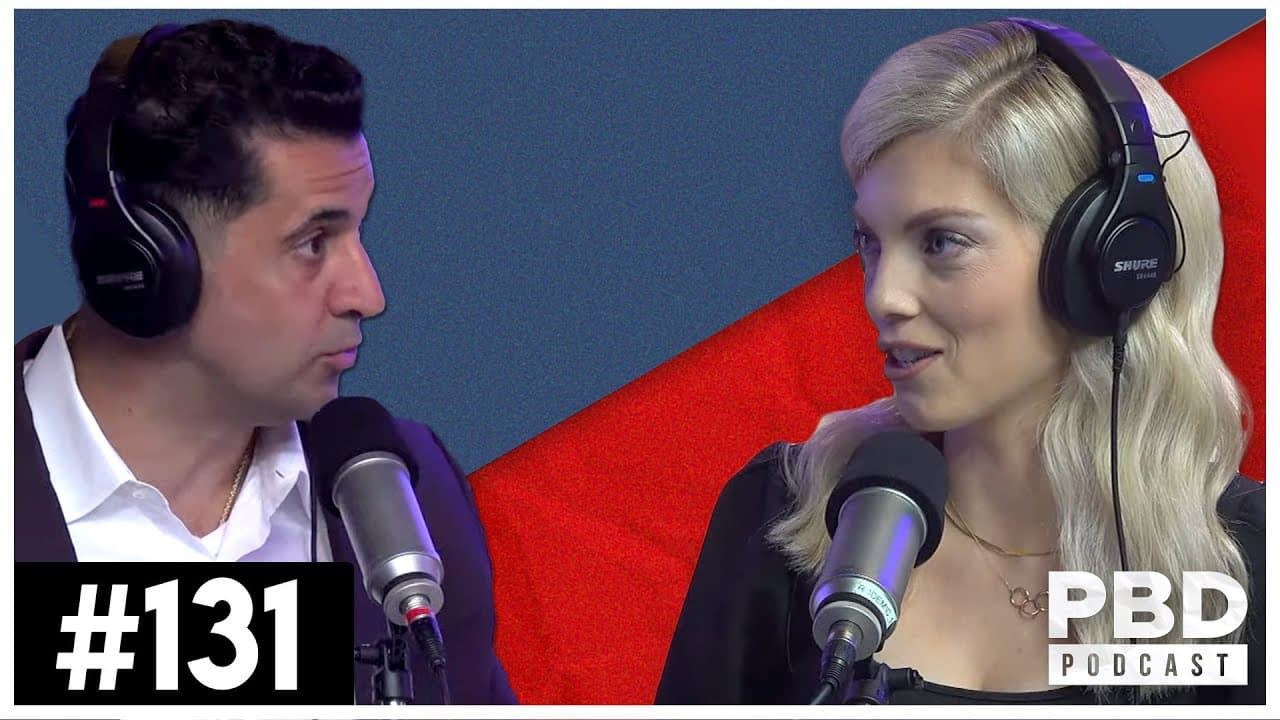
PBD Podcast | EP 131 | Conservative Titan Liz Wheeler
TL;DR
Liz Wheeler discusses the impact of political media, youth engagement, and contemporary issues on society.
Transcript
and just say y'all folks we're live okay good we are live episode 131 with liz wheeler and if you don't know liz wheeler she likes to keep it safe she's not controversial at all you don't push buttons you like a safe space type of an environment so folks if you're listening today you may get upset you may feel safe you may feel all of it but we're ... Read More
Key Insights
- 🫵 Independent media is gaining traction as more viewers seek alternative political dialogues that resonate with younger audiences.
- ❓ The ideology permeating campuses often discourages critical debate and encourages emotional responses over factual discussions.
- 🥺 Modern monetary theory represents a radical shift in economic policy that could lead to long-term financial instability.
- 🤔 Effective political education requires active parental involvement and the cultivation of critical thinking skills in children for future resilience.
- 🥡 The approach taken toward controversial social issues often reflects a broader trend of avoidance and emotional appeasement rather than constructive engagement.
- ⚧️ Acknowledging and addressing the complexities of societal issues, such as gender identity, requires nuance and a willingness to challenge prevailing narratives.
- ❓ The political landscape is increasingly polarized, exacerbating tensions and reducing opportunities for civil discourse in educational contexts.
Install to Summarize YouTube Videos and Get Transcripts
Explore YouTube Video Summarizer or Get YouTube Transcript Extractor
Questions & Answers
Q: What was Liz Wheeler's motivation for moving to independent media?
Liz Wheeler transitioned from cable news to independent media primarily due to the aging demographic of cable news viewers and the realization that younger audiences, particularly millennials and Gen Z, were being neglected in crucial political discussions. She felt a strong need to engage these voices in a more direct and impactful manner.
Q: How does Liz Wheeler engage with college students about political issues?
Wheeler travels to college campuses, where she discusses contentious political topics, aiming to foster open dialogue. She encourages students to think critically and promote policies that reflect conservative principles while countering ideologies she sees as harmful, such as critical race theory and unchecked progressive agendas.
Q: What common concerns do Liz Wheeler find among college-age liberal students?
Wheeler notes that liberal students often express fears about showing disrespect to marginalized groups, particularly around transgender issues, highlighting their desire to act with kindness and compassion. She sees that these students are often influenced by emotional narratives rather than facts or evidence.
Q: What strategies does Wheeler recommend for parents to educate their children?
Wheeler emphasizes the importance of parents actively discussing political and social issues with their children, helping them develop critical thinking skills. She suggests that parents should create a safe space for open dialogues, teaching their kids to engage in respectful debate rather than shying away from difficult conversations.
Q: What is modern monetary theory, and how does it relate to current U.S. economic policy?
Modern monetary theory suggests that a government that issues its currency can print as much money as needed without worrying about deficits or paying off debts. Wheeler criticizes this approach as dangerous, leading to inflation and unsustainable government spending while arguing it enables politicians to bypass accountability for their financial decisions.
Q: How has the pandemic shifted perspectives on education and discourse?
The pandemic has reportedly worsened the educational landscape, leading to significant learning losses. Wheeler argues that this has resulted in students lacking critical thinking skills, making it more challenging for them to engage in healthy debate and link practical experiences to their education, as discussions often shifted to emotional responses rather than logical analysis.
Q: What critical point does Wheeler make about the state of political discourse today?
Wheeler observes that there is a growing trend of discouraging open debate, particularly on college campuses, which has led to "cancel culture." She believes that such an environment undermines the ability to have meaningful discussions, pushing students away from engaging with diverse perspectives.
Summary & Key Takeaways
-
Liz Wheeler shares her journey from cable news to independent media, aiming to engage younger audiences on crucial political debates, emphasizing the need for active participation in political discourse.
-
The conversation highlights the prevailing cynicism surrounding current political ideologies, particularly in relation to the challenges posed by the left's influence on education and societal norms.
-
Discussions include the significance of free speech, the role of parents in educating children about political discourse, and the economic consequences of current U.S. policies amid global tensions.
Read in Other Languages (beta)
Share This Summary 📚
Summarize YouTube Videos and Get Video Transcripts with 1-Click
Try YouTube Summary with ChatGPT & Claude or YouTube Transcript Generator