Who Killed Animation?
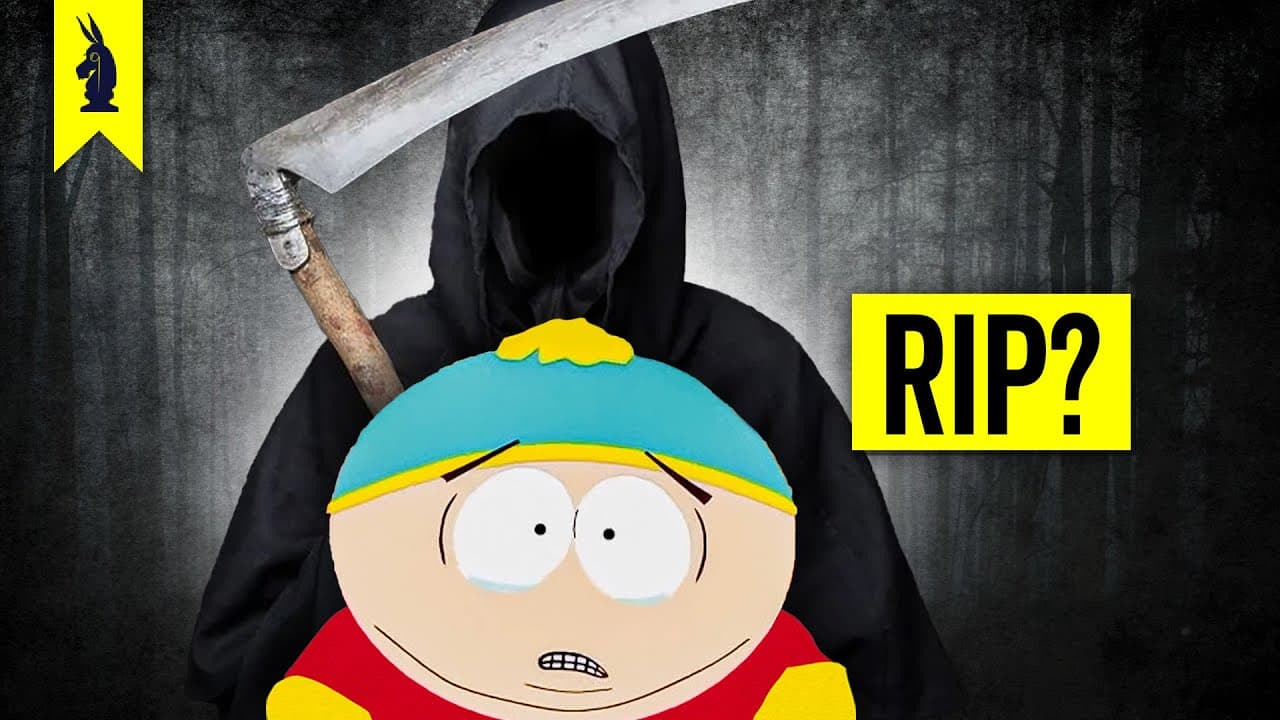
TL;DR
Adult animation is declining despite its recent boom during the pandemic.
Transcript
So lately every time I go online I'm greeted with an obituary for another animated TV show and it's starting to feel like a full-on cartoon Armageddon I mean Warner Brothers took down Looney Tunes and Warner Brothers was built on Looney Tunes surely that's cause for alarm despite the pandemic's animation Boom the broader landscape looks Bleaker tha... Read More
Key Insights
- 💥 Adult animation experienced a boom during the pandemic as live-action productions slowed, but cancellations have surged recently.
- 👶 The misunderstanding of animation as a genre for children undermines its potential as a diverse storytelling medium.
- 😘 American animation writers face systemic challenges and lower pay compared to their live-action peers, impacting creativity and representation.
- 👹 The unique approach of Japanese animation, which encompasses a wide variety of genres and audiences, offers lessons for the American animation industry.
- 🫢 Adult animated programming often suffers from a lack of variety and over-reliance on shock value, limiting its appeal.
- 🛀 Successful animated shows typically evolve over multiple seasons, but industry trends favor quick cancellations, hindering audience development.
- 🫵 A trend toward irony and self-aware humor in adult animation can disengage viewers, reducing the narrative impact of shows.
Install to Summarize YouTube Videos and Get Transcripts
Explore YouTube Video Summarizer or Get YouTube Transcript Extractor
Questions & Answers
Q: What factors contributed to the initial boom in adult animation during the pandemic?
The pandemic caused a halt in live-action productions, making animation a more viable option for studios. As audiences turned to streaming, networks greenlit many animated projects, viewing animation as a low-risk format that could appeal to millennials who grew up with iconic shows.
Q: What misconceptions about animation are discussed in the content?
The video highlights the misconception that animation is primarily for children, equating it with a specific genre rather than recognizing it as a versatile medium for storytelling. This impacts how creators and consumers engage with animated works, limiting opportunities for diverse narratives.
Q: How does the treatment of animation writers differ from live-action writers in the industry?
Animation writers are largely represented by the Animation Guild, which lacks the resources devoted to writers' rights compared to the Writer's Guild of America. Consequently, animation writers often earn about half the salary of their live-action counterparts for similar work, reflecting the industry's undervaluation of animated storytelling.
Q: What are the key challenges faced by adult animated shows in gaining longevity?
Many adult animated shows face premature cancellations after just one season due to strict performance metrics, lack of marketing support, and an industry trend that prioritizes immediate success over creative development. This approach stifles innovative concepts and prevents shows from finding their core audience.
Q: How is Japanese animation viewed differently compared to American animation?
Japanese animation is considered a legitimate medium that caters to various demographics and genres, embracing a wide range of storytelling styles. In contrast, American animation often struggles to break free from being categorized strictly as children's entertainment, resulting in a narrower variety of content.
Q: What examples of narrative approaches in adult animation are discussed?
The content mentions shows like "BoJack Horseman" and "Bob's Burgers," which focus on complex characters and emotional narratives rather than relying solely on shock humor or meta-comedy. These programs attract broader audiences by exploring relatable themes and character-driven stories.
Q: What role does perception play in the future of adult animation?
The perception of animation as a children’s genre adversely affects the industry's willingness to invest in diverse storytelling approaches. The video suggests that wider acceptance of animation as a serious medium is crucial for the longevity and evolution of adult animated shows.
Q: Are there any hopeful signs for the future of adult animation?
Despite the current struggles, there are optimistic trends such as experimental works and the popularity of shows that deviate from traditional formats. Programs like "Castlevania" and new original content suggest a potential for reinvigoration within the American animation sector.
Summary & Key Takeaways
-
The content discusses the rise and decline of adult animation, noting how streaming services initially embraced it during the pandemic but have recently begun canceling popular shows.
-
It emphasizes the misunderstanding of animation as solely a children's medium by both audiences and industry professionals, which affects the creative landscape.
-
The video contrasts American and Japanese animation, suggesting that America could learn from Japan's diverse approach to the medium to revitalize the industry.
Read in Other Languages (beta)
Share This Summary 📚
Summarize YouTube Videos and Get Video Transcripts with 1-Click
Try YouTube Summary with ChatGPT & Claude or YouTube Transcript Generator