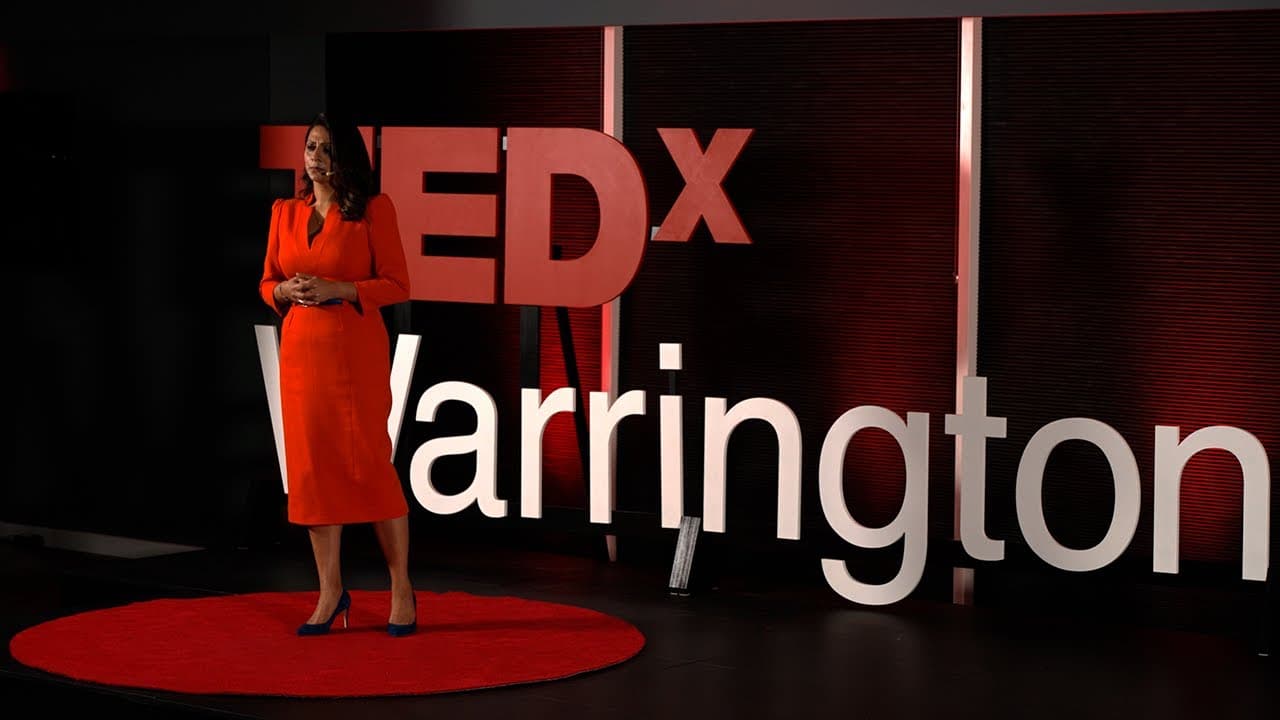
Invisible disability: Challenging bias to enable change | Dr Amrita Sen Mukherjee | TEDxWarrington
TL;DR
Invisible disabilities impact daily life and identity, highlighting the need for empathy and understanding in society.
Transcript
[Applause] when I was vulnerable demoralized and had no self-esteem I did something that I hadn't done before I mastered all of my courage and asked for help my colleague's response really stung no one wants to Bear the weight of a sick colleague don't look for sympathy just be a team player you really are getting a bad reputation it's frustrating ... Read More
Key Insights
- 🫥 Invisible disabilities affect a significant portion of the population, highlighting the need for greater awareness and understanding.
- 🫥 Living with an invisible disability can lead to personal struggles, identity challenges, and the need for self-advocacy.
- 🫥 Society's preconceived notions and frameworks can hinder acceptance and create barriers for individuals with invisible disabilities.
- 😷 Shedding societal masks and embracing differences can lead to personal growth and empowerment.
- 🤩 Compassion, empathy, and curiosity play key roles in supporting individuals with invisible disabilities.
- ♻️ Advocating for inclusivity and challenging societal norms can create a more accepting and understanding environment.
- 🤑 Recognizing the power of the invisible allows for a richer tapestry of humanity and the celebration of individual differences.
Install to Summarize YouTube Videos and Get Transcripts
Explore YouTube Video Summarizer or Get YouTube Transcript Extractor
Questions & Answers
Q: What are some challenges faced by individuals with invisible disabilities in society?
Individuals with invisible disabilities often encounter judgment, skepticism, and a lack of understanding as their conditions are not immediately visible. This can lead to feelings of isolation, frustration, and the struggle for acceptance.
Q: How did the speaker's diagnosis of temporal lobe epilepsy impact their personal and professional life?
The diagnosis of temporal lobe epilepsy brought significant changes to the speaker's life, affecting their identity as a doctor, mother, and individual. They faced stigma, skepticism, and the need to navigate a new reality while advocating for themselves.
Q: Why is it important to recognize and understand invisible disabilities in society?
Recognizing and understanding invisible disabilities is crucial to fostering empathy, inclusivity, and support for individuals facing unseen challenges. It allows for a more compassionate and understanding environment that embraces diversity.
Q: How can individuals support and empower those with invisible disabilities?
Individuals can support those with invisible disabilities by listening, offering empathy, and providing a safe space for open communication. It's essential to challenge societal norms, celebrate differences, and advocate for inclusivity.
Summary & Key Takeaways
-
Invisible disabilities affect 16% of the UK population, leading to challenges in navigating a world that doesn't fully recognize their needs.
-
The speaker shares their personal journey of living with temporal lobe epilepsy, facing judgment, and struggling for acceptance in their roles as a doctor, mother, and patient.
-
Embracing the power of the invisible entails shedding societal masks, celebrating differences, and fostering compassion for those facing unseen battles.
Read in Other Languages (beta)
Share This Summary 📚
Summarize YouTube Videos and Get Video Transcripts with 1-Click
Try YouTube Summary with ChatGPT & Claude or YouTube Transcript Generator
Explore More Summaries from TEDx Talks 📚


![The future of Employment Everything] is Social & Digital | Syed Aiyaz Uddin | TEDxVIFT thumbnail](/_next/image?url=https%3A%2F%2Fi.ytimg.com%2Fvi%2F9Ta_I24CB-M%2Fhqdefault.jpg&w=750&q=75)
Summarize YouTube Videos and Get Video Transcripts with 1-Click
Try YouTube Summary with ChatGPT & Claude or YouTube Transcript Generator