What Is Open Banking and Its Impact on Personal Data?
TL;DR
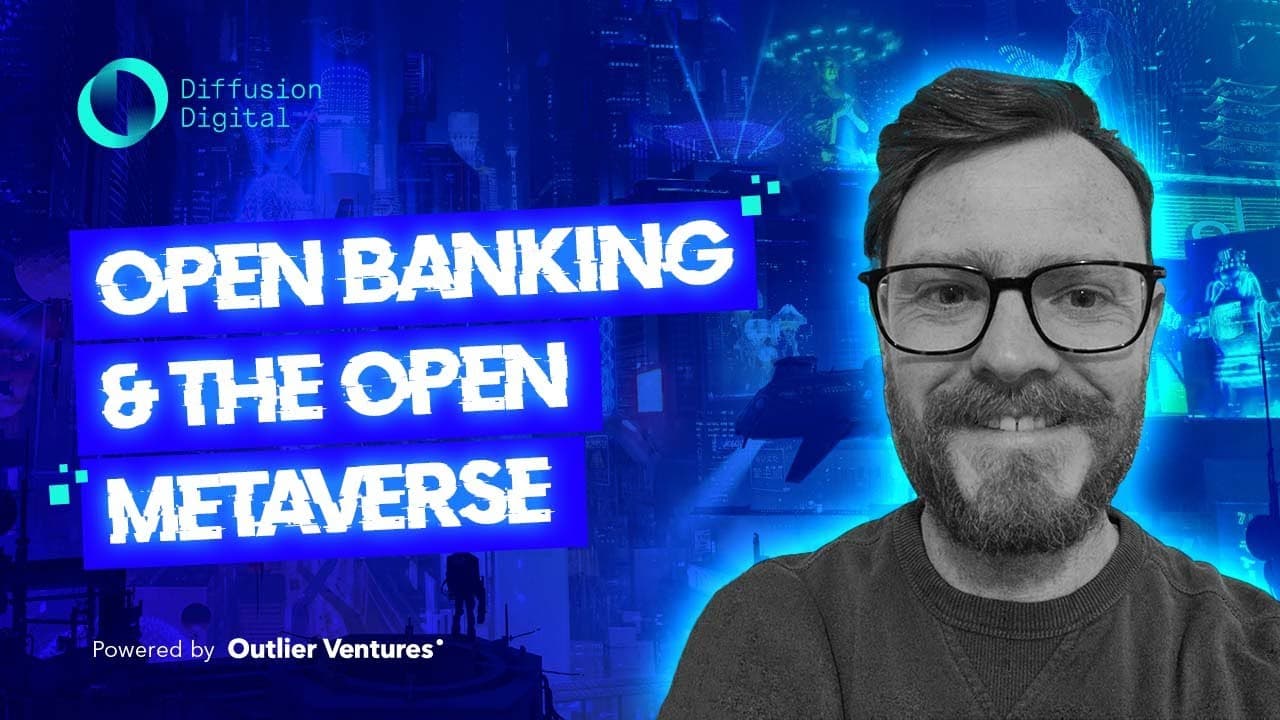
Open banking, driven by regulations like PSD2 and GDPR, allows individuals to control their banking data while creating valuable products from it. Personal data, particularly in aggregate, holds significant monetary value for companies analyzing consumer behavior. The potential for individuals to monetize their data is enhanced through mechanisms like opt-in/opt-out options and the creation of scarcity.
Transcript
so initially open banking and the open banking initiative has propelled fintech to cross over to a more connected environment to kind of gain value from it in this personal way so where people can gain value from it we need to create products now what the buy now pay later providers like cloner and afterpay and all those guys have done super super ... Read More
Key Insights
- 🤗 Open banking regulations give individuals control over their personal banking data while enabling the creation of valuable data products.
- ❓ Personal data, especially when aggregated, has monetary value for companies seeking insights and analysis.
- 🚁 The value of personal data can be maximized through opt-in/opt-out mechanisms and the introduction of scarcity.
- 🐕🦺 Financial services data is powerful but often difficult to utilize due to its fragmented nature.
- 🪛 Buy now pay later providers have successfully created two-sided marketplaces by leveraging data insights to drive sales.
- 🤗 Open banking has transformed banks into oracles of transaction history, enabling individuals to benefit from their own data.
- 🤗 Open banking regulations offer a frictionless way for individuals to give permissioned consent to share their banking data, unlocking its potential value.
Install to Summarize YouTube Videos and Get Transcripts
Explore YouTube Video Summarizer or Get YouTube Transcript Extractor
Questions & Answers
Q: How is our banking data treated by fintech companies under open banking regulations?
Open banking regulations provide programmatic access to banking data, ensuring security and controlled access. Individual data is protected, while aggregate anonymous data is widely used by banks and fintech companies for insights and analysis.
Q: What is the value of personal data, especially when anonymized and aggregated?
Personal data has significant value, particularly when anonymized and aggregated. Industries have been built around transactional data, and companies can gain valuable insights into consumer behavior and demographics through data sets created from aggregated information.
Q: Why is it important to own our data and have control over its usage?
Owning our data allows us to maximize its value. By having the ability to opt-in and opt-out of data sharing, we can control who accesses our data and increase its scarcity, which in turn increases its value. This can lead to the creation of a universal data income for individuals.
Q: How does open banking facilitate the creation of valuable data products?
Open banking regulations enable the movement of data from one entity to another, allowing the creation of data products. Data unions, powered by web3, combine multiple sources of data into sellable entities, providing valuable insights to companies and individuals.
Summary & Key Takeaways
-
Open banking regulations, such as PSD2 and GDPR, enable programmatic access to financial data while ensuring data security and fair usage.
-
Individual data attached to names is controlled and protected, while aggregate anonymous data is widely used by banks and fintech companies.
-
The value of personal data lies in creating products, such as data sets, that offer valuable insights to companies for demographic analysis and predicting consumer behavior.
Read in Other Languages (beta)
Share This Summary 📚
Summarize YouTube Videos and Get Video Transcripts with 1-Click
Try YouTube Summary with ChatGPT & Claude or YouTube Transcript Generator
Explore More Summaries from Outlier Ventures 📚





Summarize YouTube Videos and Get Video Transcripts with 1-Click
Try YouTube Summary with ChatGPT & Claude or YouTube Transcript Generator