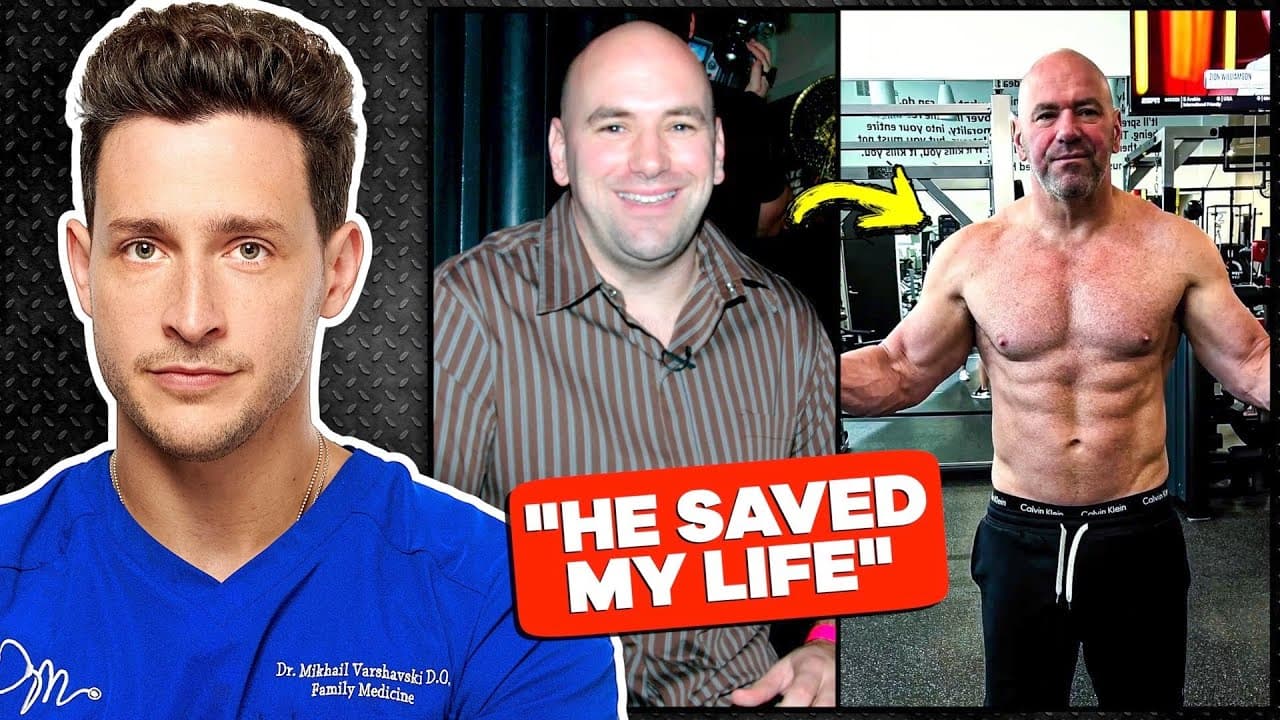
How “Health Gurus” Trick You ft Gary Brecka
TL;DR
Misinformation thrives among pseudo-experts, targeting emotional vulnerabilities with unverified health claims.
Transcript
- Harnessing the power of psychology, the reach of social media, and the funding of private equity, the evolution of misinformation has begun. It has become increasingly difficult to figure out what is true versus what is a sales pitch. Today I wanna highlight a viral example and give you some tips so you too can protect yourself from falling victi... Read More
Key Insights
- 🤳 Misinformation in health is significantly driven by self-proclaimed experts exploiting scientific gray areas.
- 💉 The pandemic highlighted a rise in bogus health claims, as traditional medicine struggled to keep pace with urgent public needs.
- 🥹 Emotional engagement through social media amplifies the reach of misleading health advice, especially when backed by celebrity endorsements.
- 🖤 Claims about anti-aging and miraculous health improvements often lack scientific basis, functioning more as marketing strategies than actual solutions.
- 😷 The healthcare system’s perceived failings lead individuals to seek answers outside established medical frameworks.
- 🥹 Evidence-backed health advice is overshadowed by personalized, unverified claims that sound appealing but often lack validity.
- 🧑⚕️ Individuals must be aware of the limitations of celebrity health claims and approach them with skepticism, questioning the expertise of those making wellness assertions.
Install to Summarize YouTube Videos and Get Transcripts
Explore YouTube Video Summarizer or Get YouTube Transcript Extractor
Questions & Answers
Q: What are I.K.A. experts, and why are they problematic?
I.K.A. experts, which stands for "I Know All," are self-proclaimed authorities who claim to have answers to medical queries that science has yet to fully address. Their problem lies in the potential dissemination of misinformation, exploiting public confusion and lack of trust in traditional medicine, leading to harmful health decisions.
Q: How did the COVID-19 pandemic influence the behavior of these pseudo-experts?
During the pandemic, while legitimate science was developing solutions, many pseudo-experts capitalized on the uncertainty surrounding COVID-19 to promote unproven treatments and miracle cures, deceiving vulnerable individuals who were desperate for answers, thus blurring the lines between legitimate healthcare and misinformation.
Q: What are some red flags to look for when encountering health advice online?
Red flags include reliance on celebrity endorsements, extraordinary claims lacking substantial evidence, and advice presented without the caveat of individual variability. Skepticism should be applied when medical claims sound too good to be true, and one should always verify information against reputable sources.
Q: Why is celebrity endorsement in health and wellness concerning?
Celebrity endorsements can mislead the public into believing unverified health claims due to the star power of the individual. This risks oversimplifying complex health concerns and promoting ineffective or dangerous interventions, particularly when the endorser lacks appropriate medical training.
Q: How can individuals distinguish between factual medical advice and misinformation?
Individuals should seek information from qualified professionals while being wary of claims that lack peer-reviewed evidence. It’s crucial to question the legitimacy of the source, seek multiple reputable perspectives, and prioritize established scientific consensus over anecdotal evidence.
Q: What common emotional vulnerabilities do pseudo-experts exploit?
Pseudo-experts often target feelings of anxiety, inadequacy, and disillusionment with traditional medical systems. They prey on these emotions by highlighting genuine failures in healthcare and offering seemingly accessible, personalized solutions that promise drastic improvements without scientific validation.
Q: How does the current healthcare system contribute to the rise of misinformation?
The healthcare system's complexity and inadequacies, including high costs and inconsistent care quality, lead many individuals to feel disillusioned and helpless. This environment creates fertile ground for pseudo-experts to thrive, as they offer enticing simplifications and quick fixes to those in need.
Q: What advice is given to protect oneself from misinformation in health?
To safeguard against misinformation, individuals should adopt a critical mindset, remain skeptical of extraordinary claims, prioritize qualified medical advice, and focus on established health practices such as good nutrition, exercise, and mental wellbeing, rather than chasing the latest trendy solutions.
Summary & Key Takeaways
-
The rise of I.K.A. (I Know All) experts reflects a troubling trend where self-proclaimed authorities exploit gaps in scientific knowledge, especially in fields like weight loss and anti-aging.
-
With advancements in medicine, particularly during the COVID-19 pandemic, traditional snake oil sales has evolved, shifting focus to emotionally charged health topics, exploiting public distrust in healthcare systems.
-
Viewers are encouraged to critically evaluate celebrity endorsements and extraordinary health claims, emphasizing the importance of seeking legitimate medical advice from qualified professionals.
Read in Other Languages (beta)
Share This Summary 📚
Summarize YouTube Videos and Get Video Transcripts with 1-Click
Try YouTube Summary with ChatGPT & Claude or YouTube Transcript Generator
Explore More Summaries from Doctor Mike 📚

Summarize YouTube Videos and Get Video Transcripts with 1-Click
Try YouTube Summary with ChatGPT & Claude or YouTube Transcript Generator