What Jesus Did In Hades Will Shock You
TL;DR
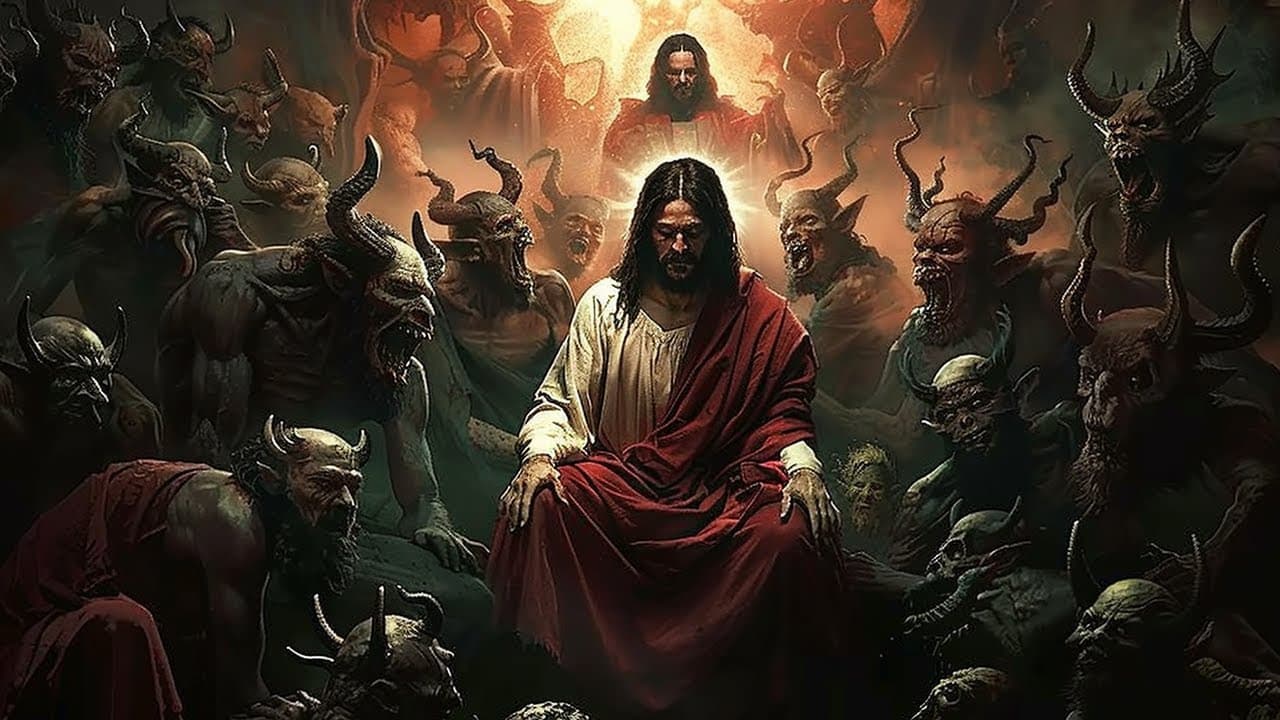
Jesus preached to the spirits in Hades after his crucifixion.
Transcript
Peter explained what Jesus did in the realm of the Dead where did Jesus go for 3 days after his death Jesus was embarking on a remarkable Journey that would leave an indelible impression on people for centuries however the gateway to this journey was the cross the Book of Luke narrates the story of Jesus's final journey to his death where his unwav... Read More
Key Insights
- ✊ Jesus's preaching to the spirits in Hades illustrates the transformative power of his message, even beyond death.
- ✌️ The resurrection of Jesus is a pivotal event that underscores Christianity's promise of eternal life and victory over death.
- 💀 Hades serves as an intermediate state for the souls of the dead, differentiating it from hell as a final place of punishment.
- 🤞 The story of Noah emphasizes God's judgment and mercy, illustrating the reality of consequences for disobedience and the hope of salvation.
- 🤑 The various afterlife terms in scripture reveal a rich tapestry of beliefs regarding judgment, redemption, and eternal existence.
- ✌️ Jesus's victory over death assures believers of their own resurrection and eternal communion with God.
- 🎄 The personal transformation of Peter exemplifies the impact of encountering Christ, encouraging believers to seek strength in their faith.
Install to Summarize YouTube Videos and Get Transcripts
Explore YouTube Video Summarizer or Get YouTube Transcript Extractor
Questions & Answers
Q: Where did Jesus go after his crucifixion?
After his crucifixion, Jesus's spirit is believed to have descended into Hades, the realm of the dead. During this time, he preached to the spirits of those who were disobedient in the days of Noah, delivering a message of victory over sin and offering insights into the consequences of rebellion against God. This period is significant for understanding the depth of Jesus's work and his reach beyond earthly bounds.
Q: What is the significance of Jesus preaching to the spirits in prison?
Jesus preaching to the spirits in prison emphasizes the belief that even after death, communication with God is possible, and it serves to affirm Jesus's authority over all realms, including the afterlife. This act suggests opportunities for deliverance and highlights the consequences of sin, as it refers specifically to the disobedient during Noah's era. It provides a profound message on the eternal nature of Christ's mission and his desire to bring salvation.
Q: How does the concept of Hades differ from hell in Christian theology?
Hades refers to the intermediate holding place of the dead, containing both the righteous and the unrighteous awaiting final judgment, whereas hell (specifically Gehenna) is seen as the ultimate destination of punishment for the wicked after the final judgment. Hades allows an understanding of the before and after scenarios of faith, while hell emphasizes the final, irreversible separation from God for those who reject salvation.
Q: What does Peter's reference to Noah's flood illustrate in relation to salvation?
Peter's reference to Noah’s flood illustrates the theme of God's judgment versus salvation, demonstrating that while the flood was a severe judgment on a disobedient generation, Noah and his family’s preservation in the ark symbolizes hope and divine grace. This narrative serves as a reminder of the necessity of faith and obedience to God’s warnings, relating to how believers today must respond to the gospel.
Q: How does Jesus’s resurrection affect Christian beliefs about eternal life?
Jesus's resurrection is a cornerstone of Christian faith, representing the defeat of death and the assurance of eternal life for believers. It affirms that through Christ, followers not only gain victory over death but also the promise of resurrection themselves, indicating that faith in Jesus leads to eternal union with God, free from sin and suffering.
Q: What can we learn about the afterlife from the biblical descriptions of Hades and paradise?
The biblical descriptions of Hades, Abraham's bosom (paradise), and the eventual resurrection highlight a complex understanding of the afterlife in Christian theology. Hades serves as a temporary holding place for the dead before final judgment, while paradise represents the joy and comfort for the righteous. These narratives reinforce the belief in a conscious existence after death and the hope of ultimate resurrection and eternal life with God.
Q: How do the terms used in the Bible to describe heaven and hell create confusion?
The various terms for heaven and hell—such as Paradise, Abraham's bosom, Hades, and Gehenna—often lead to confusion as they can hold overlapping meanings and cultural interpretations. Each term reflects different theological implications about the afterlife, from temporary states to eternal separation from God, complicating discussions surrounding salvation, judgment, and the nature of the afterlife for both believers and non-believers.
Q: Why is Jesus's victory over death significant to the Christian faith?
Jesus's victory over death is significant because it establishes him as the ultimate conqueror of sin and death, offering believers the assurance of eternal life. This foundational belief sets Christianity apart from other belief systems, as it is rooted in a historical event—the resurrection—proving God's power and fulfilling prophetic promises, thus providing hope and purpose for believers in their faith journey.
Summary & Key Takeaways
-
After Jesus died, his spirit was believed to have gone to Hades, where he preached to the spirits of the disobedient, particularly those from Noah's time, highlighting the theme of redemption and judgment.
-
The scriptures describe the complexity of the afterlife and different interpretations of locations like Hades and Tartarus, emphasizing the beliefs surrounding the eternal destiny of souls based on faith in Christ.
-
Jesus's resurrection marked the ultimate victory over death, offering believers hope and affirming the Christian faith, distinguishing it from other religions through its unique narrative of death and resurrection.
Read in Other Languages (beta)
Share This Summary 📚
Summarize YouTube Videos and Get Video Transcripts with 1-Click
Try YouTube Summary with ChatGPT & Claude or YouTube Transcript Generator
Explore More Summaries from Grace Digital Network 📚





Summarize YouTube Videos and Get Video Transcripts with 1-Click
Try YouTube Summary with ChatGPT & Claude or YouTube Transcript Generator