How to Make Smooth Purées from Any Vegetable
TL;DR
To create smooth purées, choose low to medium starch vegetables like butternut squash or cauliflower, and cook them until very soft. Blend with a liquid like stock or cream, and optionally add fat such as butter or oil for richness. An ice bath can help maintain emulsification and prevent separation.
Transcript
look whether you're a chef or a home cook whatever making a good puree is a life skill and an art and if you don't believe me let me explain so there's loads of different kinds of purees out there right all different recipes for different applications some are used to accompany me some are used to put into other recipes you know the list goes on an... Read More
Key Insights
- ↘️ Making a good puree requires selecting the right vegetable, such as low to medium starch options like butternut squash and cauliflower.
- 🧑🍳 Cooking the vegetable until it is soft is crucial for achieving a smooth texture.
- 😱 Adding a liquid, such as stock or cream, and optionally fat, like butter or oil, helps achieve the desired consistency and mouthfeel.
- 🪲 Techniques for removing skins, such as roasting or peeling, are demonstrated for different vegetables like butternut squash, cauliflower, and beets.
- 🥶 Cool down the puree in an ice bath to maintain emulsification.
- 🖤 Puree can be seasoned with salt, black pepper, or other preferred seasonings.
- 🛢️ The choice of vegetable, thickness, and amount of added oil should be considered based on the desired application.
Install to Summarize YouTube Videos and Get Transcripts
Explore YouTube Video Summarizer or Get YouTube Transcript Extractor
Questions & Answers
Q: What is the importance of selecting the right vegetable for a puree?
The choice of vegetable affects the texture and taste of the puree. Low to medium starch vegetables like butternut squash and cauliflower are recommended for a smooth puree.
Q: Why is cooking the vegetable until it is super soft necessary?
Overcooking the vegetable ensures that it blends smoothly into a puree. Regardless of the cooking method, softening the vegetable is essential for a velvety texture.
Q: What are some options for adding flavor to a puree?
The addition of fat, such as butter or oil, during blending emulsifies the puree, giving it a rich and glossy appearance. Seasonings like salt, black pepper, or vinegar can also be added for taste.
Q: Can any vegetable be used to make a puree?
While most vegetables can be used, low starch vegetables may result in thinner purees. It is best to refer to the list provided in the video description for guidance.
Summary & Key Takeaways
-
Making a good puree involves selecting a low to medium starch vegetable, adding a liquid like stock or cream, and optionally adding fat like butter or oil.
-
Cooking the vegetable until it is super soft is essential for a smooth puree.
-
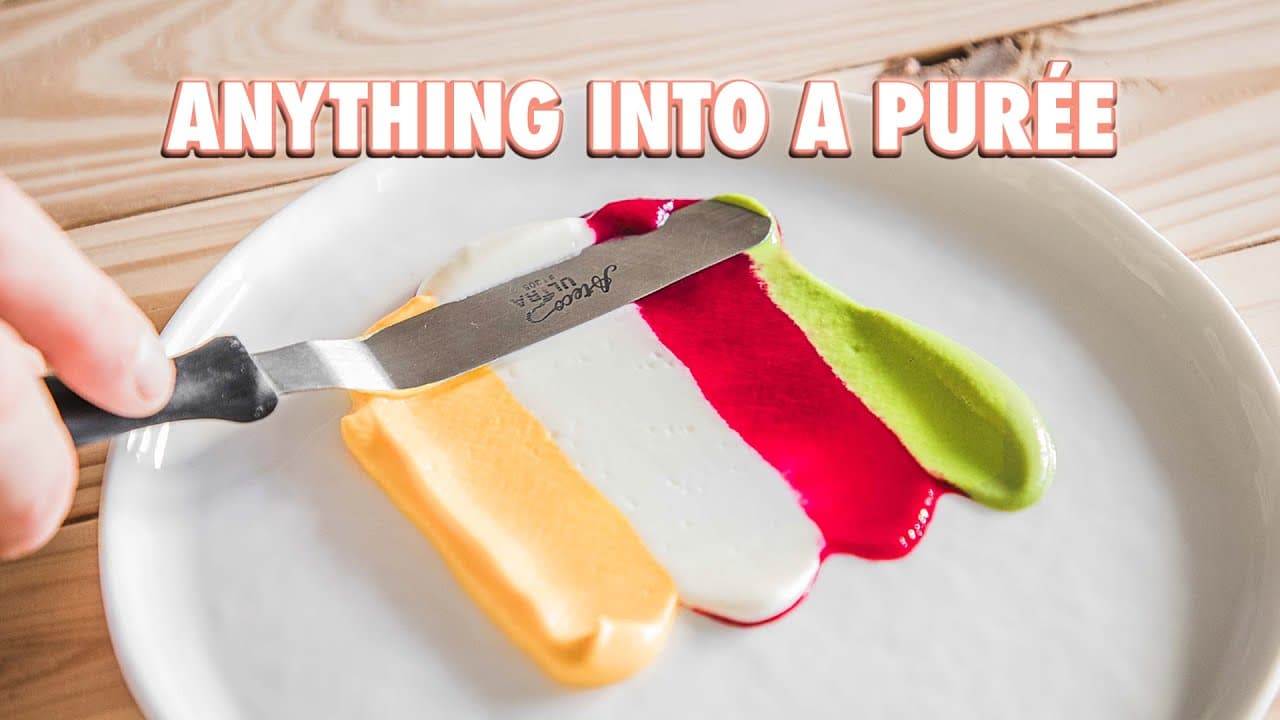
Examples of making puree with butternut squash, cauliflower, and beets are provided, along with techniques for removal of skins and adding flavor.
Read in Other Languages (beta)
Share This Summary 📚
Summarize YouTube Videos and Get Video Transcripts with 1-Click
Try YouTube Summary with ChatGPT & Claude or YouTube Transcript Generator
Explore More Summaries from Joshua Weissman 📚






Summarize YouTube Videos and Get Video Transcripts with 1-Click
Try YouTube Summary with ChatGPT & Claude or YouTube Transcript Generator