Get Fluent in English in 2025! 1-Page Speaking Routine
TL;DR
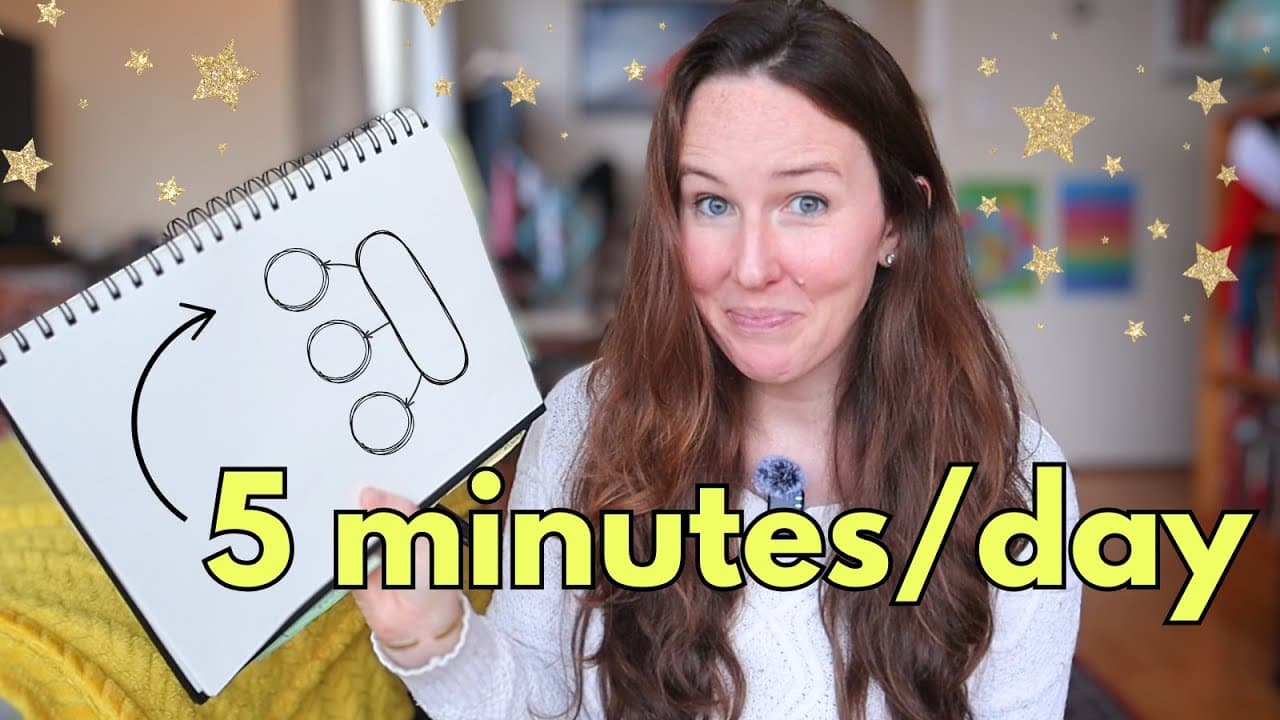
Commit to 5 minutes daily English speaking for fluency.
Transcript
everyone is different not everyone learns English in the exact same way however today I want to give you a simple English speaking routine that anyone can do at any level of English and you can change it you can personalize it to fit what you prefer to do and actually you should change it the more personalized your study is the more likely you are ... Read More
Key Insights
- Personalizing your English speaking routine increases the likelihood of consistent practice and improvement. Tailor the routine to fit your preferences for better engagement.
- Starting with a commitment of just 5 minutes a day can lead to longer practice sessions, as initial engagement often encourages continued effort.
- Guided speaking practices, such as reading aloud and shadowing, help improve pronunciation and vocabulary by providing a structured approach.
- Productive speaking practice involves generating your own content, such as journaling or having conversations with yourself, to enhance fluency and confidence.
- Using AI tools like ChatGPT for text correction can help ensure accuracy and provide feedback on your written English before practicing it aloud.
- Engaging in playful, spontaneous conversations with objects or pets can mimic natural language learning, similar to how children acquire language skills.
- Consistent practice, even without feedback, is beneficial for developing speaking muscles and improving pronunciation over time.
- A downloadable guide is available to support learners in developing their English speaking skills, offering structured exercises and tips.
Install to Summarize YouTube Videos and Get Transcripts
Explore YouTube Video Summarizer or Get YouTube Transcript Extractor
Questions & Answers
Q: What is the main goal of the English speaking routine?
The main goal of the English speaking routine is to encourage consistent daily practice, starting with just 5 minutes, to improve fluency and speaking skills. By committing to a small, manageable amount of time, learners can gradually increase their practice duration and develop their language abilities more effectively.
Q: How does guided speaking practice help with language learning?
Guided speaking practice, such as reading aloud and shadowing, helps learners improve their pronunciation and vocabulary by providing a structured approach. These exercises mimic the natural learning process by allowing learners to hear and replicate correct language patterns, which enhances their speaking skills over time.
Q: What role does personalization play in the learning routine?
Personalization plays a crucial role in the learning routine by making the practice more engaging and relevant to the learner's interests and preferences. By tailoring the routine to fit individual needs, learners are more likely to stay motivated and consistent, which is key to effectively improving their English speaking skills.
Q: What is productive speaking practice and why is it important?
Productive speaking practice involves generating original content, such as journaling or having conversations with oneself, to enhance fluency and confidence. This type of practice is important because it encourages learners to use their own words and ideas, which helps solidify their language skills and prepares them for real-life conversations.
Q: Can learners still benefit from practice without feedback?
Yes, learners can still benefit from practice without feedback. Consistent practice, even without direct feedback, helps develop speaking muscles and improve pronunciation. The act of speaking regularly allows learners to become more comfortable and confident in using the language, which contributes to overall fluency.
Q: How can learners ensure the accuracy of their written practice?
Learners can ensure the accuracy of their written practice by using AI tools like ChatGPT for text correction. By inputting their written content into these tools, learners can receive feedback and corrections, which they can then use to practice reading aloud, ensuring they are reinforcing correct language patterns.
Q: Why is engaging in playful conversation recommended?
Engaging in playful conversation is recommended because it mimics the natural language acquisition process seen in children. By talking to objects or pets, learners can practice speaking in a low-pressure, fun environment, which encourages spontaneous language use and helps build confidence in using English.
Q: What resources are available to support learners in this routine?
A downloadable guide is available to support learners in developing their English speaking skills. This guide offers structured exercises, tips, and additional resources to help learners effectively implement the speaking routine and track their progress, ultimately aiding in their journey to becoming fluent English speakers.
Summary & Key Takeaways
-
The video introduces a simple English speaking routine that encourages personalization for effective learning. By committing to just 5 minutes a day, learners can gradually increase their practice time and improve their fluency.
-
Guided speaking exercises like reading aloud and shadowing are recommended to enhance pronunciation and vocabulary. Productive practices involve generating content, such as journaling, to build confidence in speaking.
-
Learners are encouraged to use AI tools for feedback and engage in playful conversations with objects or pets to mimic natural language acquisition. A downloadable guide is provided for structured practice.
Read in Other Languages (beta)
Share This Summary 📚
Summarize YouTube Videos and Get Video Transcripts with 1-Click
Try YouTube Summary with ChatGPT & Claude or YouTube Transcript Generator
Explore More Summaries from English with Brittany 📚




Summarize YouTube Videos and Get Video Transcripts with 1-Click
Try YouTube Summary with ChatGPT & Claude or YouTube Transcript Generator