How Did a Wrong D-Day Drop Save 127 Paratroopers?
TL;DR
A radio operator’s wrong frequency sent 127 paratroopers six miles off target, but the error placed them near German supply routes where they disrupted communications, ambushed convoys, and tied down more than 4,000 German troops. The description credits this accidental deployment with protecting Utah Beach and saving an estimated 2,800 American lives.
Transcript
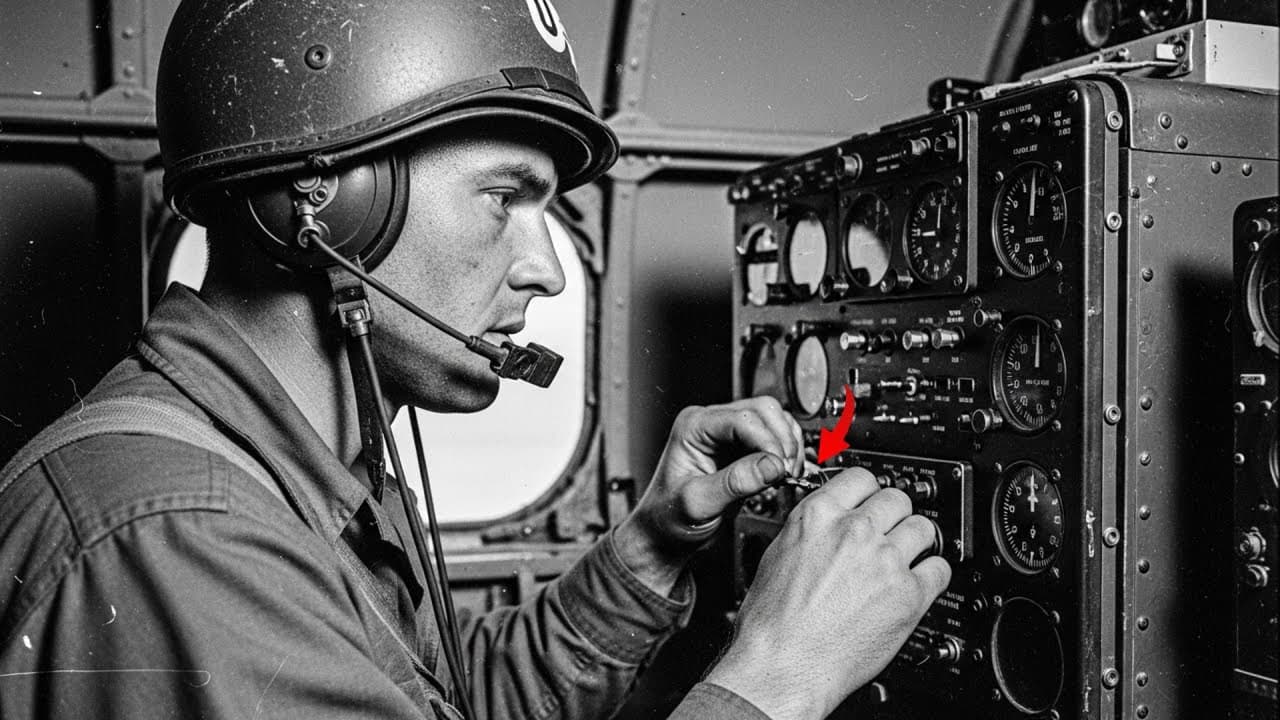
At 1:16 a.m. on June 6th, 1944, Staff Sergeant Thomas Whitaker sat in the radio compartment of C47 number 42-92847, 30 mi from the Normandy coast. German FLAC batteries had just opened fire. The pilot's voice crackled through his headset. They were 3 minutes from the drop zone. 127 paratroopers sat in the cargo bay behind him, packed tight, waiting... Read More
Key Insights
- The Allied airborne plan depended on Pathfinder teams landing 30 minutes before the main force, establishing radio beacons, and marking designated drop zones with lights. Each zone used a specific frequency that incoming C-47 radio operators were expected to monitor while pilots approached in darkness.
- Drop Zone A used 38.7 MHz, Drop Zone B used 40.2 MHz, and Drop Zone C used 42.1 MHz. Whitaker interpreted the 42.1 marking beside his selector as an alternate channel, although it actually guided his aircraft toward a different unit’s drop zone six miles south.
- The original navigation procedure had worked accurately during rehearsals in England, where every drop reportedly landed within 200 yards of its target. Normandy introduced conditions absent from training, including strong winds, low cloud cover, intense German flak, broken aircraft formations, and missing or unreliable Pathfinder signals.
- The German antiaircraft threat was more extensive than Allied intelligence predicted. Planners had identified 42 batteries along the Normandy coast, but the transcript states that 87 were present, forcing pilots to climb, dive, bank, and scatter their carefully practiced formations across 50 square miles.
- Only six of the 18 Pathfinder teams reportedly landed near their intended drop zones. Other teams were blown off course, landed in flooded fields, entered German positions, or came down too far away for their signals to reach the incoming transport aircraft.
- Whitaker’s frequency card contained primary drop-zone frequencies but omitted alternate-frequency information held in a separate document distributed to pilots and navigators two days before the invasion. Radio operators were expected to report primary-frequency failures rather than independently decide to change channels.
- The wrong signal created a chain of misplaced trust aboard the aircraft. The paratroopers trusted the pilot, the pilot trusted Whitaker, and Whitaker trusted an incomplete card and an unfamiliar selector while operating under time pressure, enemy fire, freezing conditions, and the threat of colliding with later aircraft waves.
- The accidental drop reportedly produced a strategically useful result near Sainte-Mère-Église. The displaced paratroopers attacked convoys, interrupted communications, and occupied more than 4,000 German troops who should have reinforced Utah Beach, an outcome credited in the description with saving an estimated 2,800 American lives.
Install to Summarize YouTube Videos and Get Transcripts
Explore YouTube Video Summarizer or Get YouTube Transcript Extractor
Questions & Answers
Q: How did the wrong D-Day radio frequency save 127 paratroopers?
Staff Sergeant Thomas Whitaker switched from the failed 38.7 MHz signal to 42.1 MHz, believing it was an alternate frequency for Drop Zone A. It was actually the beacon for Drop Zone C, six miles south. The resulting misplaced drop put 127 paratroopers near German supply routes, where they disrupted communications, ambushed convoys, and tied down more than 4,000 German troops.
Q: Why did Thomas Whitaker change the Pathfinder frequency?
Whitaker changed frequencies because the assigned 38.7 MHz beacon behaved unpredictably and then appeared to fail. Beneath the main dial, he noticed a second selector with a marking for 42.1. His training had not covered that selector, but he assumed it represented a backup frequency. When 42.1 produced a strong, steady signal, he concluded that the Pathfinder system was working again.
Q: What was wrong with Whitaker’s D-Day frequency card?
Whitaker’s card correctly listed the primary frequencies for the drop zones, including 38.7 MHz for Drop Zone A, but it did not contain all the information he needed. Alternate frequencies appeared in a separate document given to pilots and navigators two days before the invasion. Radio operators did not receive it because they were expected to report failures rather than choose another frequency themselves.
Q: Why did the Normandy Pathfinder system fail?
The Pathfinder system failed because actual combat conditions overwhelmed a method that had worked during controlled rehearsals. Strong winds pushed teams away from their targets, flooded fields caused casualties, and German positions prevented some teams from activating beacons. Only six of 18 teams landed near their intended zones, leaving incoming crews with missing, weak, or confusing radio signals.
Q: How did German flak disrupt the D-Day airborne drops?
German flak forced C-47 pilots to abandon the tight formations they had practiced for months. Allied intelligence had identified 42 antiaircraft batteries, while the transcript states that 87 were present. Pilots climbed, dove, and banked to avoid tracer fire and explosions. Within 10 minutes, their formations had scattered across 50 square miles of French countryside, severely complicating navigation and coordinated drops.
Q: What choices did C-47 pilots have when beacons failed?
When Pathfinder signals were missing or unreliable, pilots could follow a weak signal and hope it was correct, release their paratroopers without reliable guidance, or abort and circle back. Each option carried serious risks. Circling could waste fuel and place an aircraft in the path of the second wave, while a blind or incorrect drop could scatter troops far from their assigned objectives.
Q: What happened after the paratroopers landed in the wrong area?
According to the description, the 127 paratroopers landed six miles from their intended area near German supply routes around Sainte-Mère-Église. Their unexpected presence allowed them to ambush convoys, disrupt German communications, and create confusion behind enemy lines. Their actions reportedly occupied more than 4,000 German troops who otherwise should have been defending Utah Beach against the American landing.
Q: How did the mistaken drop affect the Utah Beach landing?
The mistaken drop reportedly reduced the pressure facing American forces at Utah Beach by diverting German troops and disrupting nearby logistics. The description says more than 4,000 German soldiers were tied down responding to the scattered paratroopers instead of reinforcing the beach defenses. It credits this accidental outcome with saving an estimated 2,800 American lives, although Whitaker originally believed he was guiding the aircraft correctly.
Summary & Key Takeaways
-
At 1:16 a.m. on June 6, 1944, Staff Sergeant Thomas Whitaker was monitoring the Pathfinder signal aboard C-47 number 42-92847. When the assigned 38.7 MHz beacon produced confusing flashes and then went dead, he found a second selector marked 42.1 and assumed it was an alternate frequency for Drop Zone A.
-
The steady 42.1 MHz signal actually belonged to Drop Zone C, six miles south and deep in territory held by the German 91st Infantry Division. Whitaker incorrectly confirmed that the aircraft was tracking Drop Zone A, while the pilot, jumpmaster, and 127 waiting paratroopers relied on information drawn from an incomplete frequency card.
-
The navigation error unexpectedly put the paratroopers near German supply routes around Sainte-Mère-Église. According to the description, they ambushed convoys, disrupted communications, and tied down more than 4,000 German troops who otherwise should have defended Utah Beach. The mistake is credited with saving an estimated 2,800 American lives.
Read in Other Languages (beta)
Share This Summary 📚
Summarize YouTube Videos and Get Video Transcripts with 1-Click
Try YouTube Summary with ChatGPT & Claude or YouTube Transcript Generator
Explore More Summaries from WW2 Records 📚
Summarize YouTube Videos and Get Video Transcripts with 1-Click
Try YouTube Summary with ChatGPT & Claude or YouTube Transcript Generator