China 2019 - Service Disruption?
TL;DR
Exploring the overlooked implications of the US-China service trade impact in the midst of global trade disputes.
Transcript
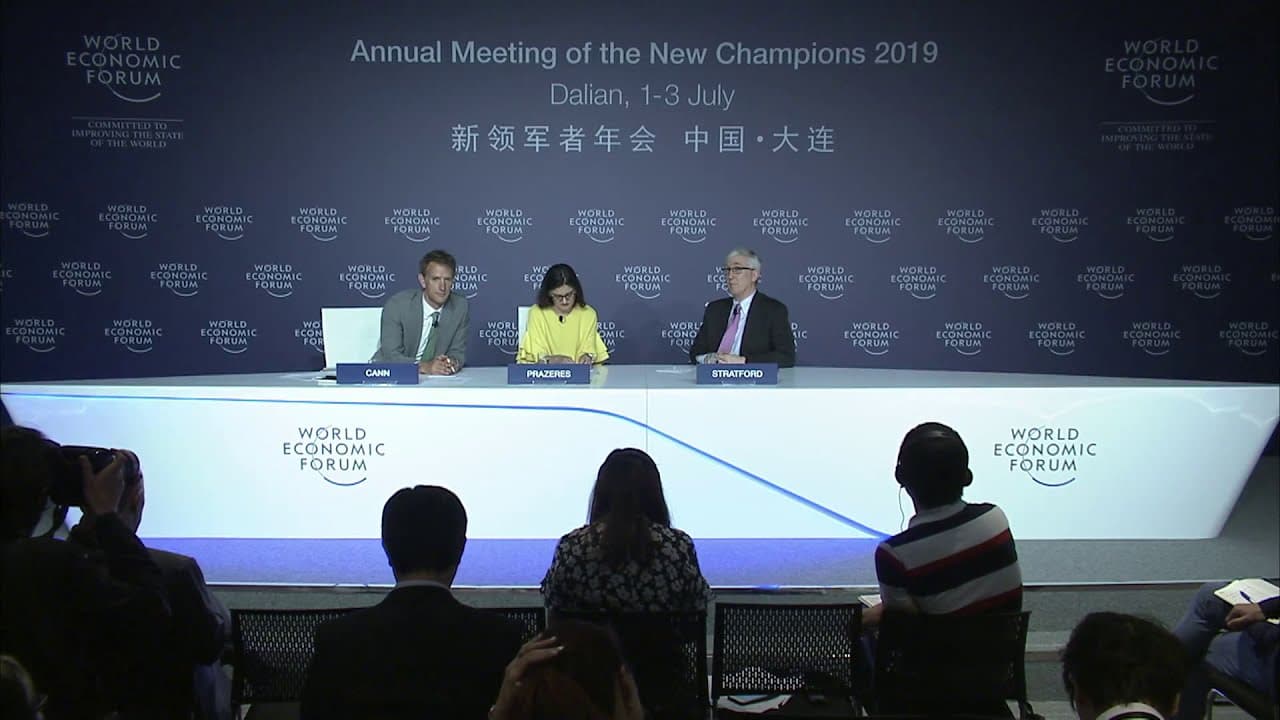
welcome ladies and gentlemen to this afternoon's second issue briefing here on day two the annual meeting of the new champions 2019 my name is Oliver Kahn I'm head of strategic communications now we've been certainly kind of not exactly dancing around a subject like ploughing on like a juggernaut into the the topic of the trade dispute this week of... Read More
Key Insights
- 👋 Tariffs on goods directly impact service components, highlighting the interconnectedness of US-China trade.
- 🐕🦺 National security concerns and data flows pose challenges, necessitating a delicate balance in the service sector.
- 🐕🦺 Foreign participation can benefit China's service sectors for future liberalization and growth.
- 🐕🦺 Uncertainty surrounds the US's intentions towards China, impacting the direction of service trade policies.
- 🐕🦺 Liberalizing service sectors can result in economic growth and potential global benefits.
- ™️ Understanding the implications of service trade disruptions is crucial amid trade disputes.
- 🤗 Potential gains from global economy liberalization hinge on China opening up its service sector.
Install to Summarize YouTube Videos and Get Transcripts
Explore YouTube Video Summarizer or Get YouTube Transcript Extractor
Questions & Answers
Q: How are tariffs on goods impacting the service component of the US-China trade relationship?
Tariffs on goods impact services, with around 30% of goods containing service components like design, engineering, sales, marketing services, leading to disruptions in service sectors.
Q: What challenges arise from the intersection of national security concerns and the data flow in the service sector?
Balancing national security with open data flows is complex, as different countries have varying views on data protection, leading to potential fragmentation and risks in service industries.
Q: In what way can China learn from the US to develop its service sectors for liberalization?
China can benefit from foreign participation in service sectors, as seen in industries like auto insurance, which have seen growth with increased foreign involvement, potentially paving the way for further liberalization.
Q: How optimistic are experts about the future of service trade between the US and China amid ongoing tensions?
Cautiously optimistic, but uncertainty remains around the US's intentions towards China. Containment rumors and policy decisions will influence the trajectory of service trade growth.
Summary & Key Takeaways
-
Discussion on the importance of understanding the impacts of service trade amid the US-China trade war.
-
Emphasis on the implications of tariffs on goods affecting services and the disruption in service sectors due to trade tensions.
-
Insights shared by experts on the significance of liberalizing service sectors for economic development.
Read in Other Languages (beta)
Share This Summary 📚
Summarize YouTube Videos and Get Video Transcripts with 1-Click
Try YouTube Summary with ChatGPT & Claude or YouTube Transcript Generator
Explore More Summaries from World Economic Forum 📚

Summarize YouTube Videos and Get Video Transcripts with 1-Click
Try YouTube Summary with ChatGPT & Claude or YouTube Transcript Generator