Initial Public Offering (IPO) Process
TL;DR
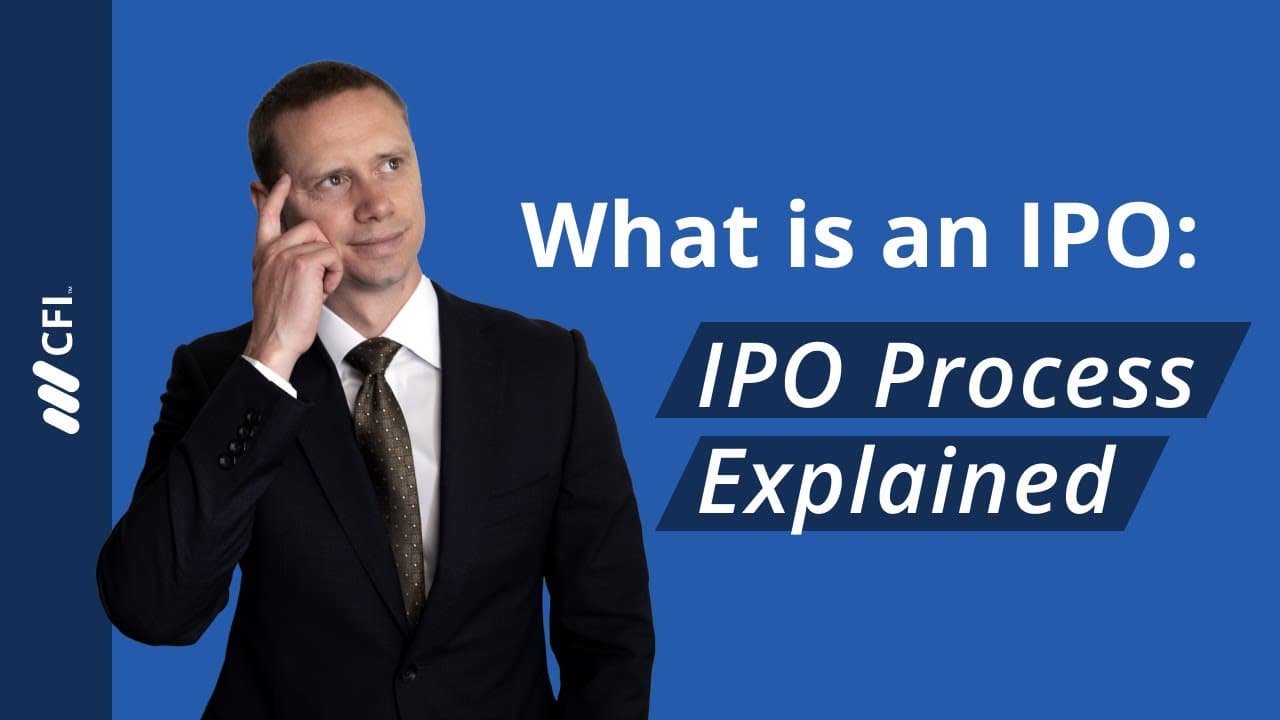
The IPO process involves taking a private company public through various steps.
Transcript
an initial public offering or IPO is the process where a private company that's owned by a small number of shareholders goes public and is listed on an exchange where it can be owned by a large number of investors let's look at the actual process itself here's an overview of the steps that are required for a company to go pu... Read More
Key Insights
- An IPO allows a private company to go public, enabling it to be owned by a larger number of investors.
- Selecting the right bank for underwriting is crucial, considering factors such as reputation, expertise, and prior relationships.
- Due diligence and regulatory filings are essential, including engagement letters, underwriting agreements, and registration statements.
- The pricing of an IPO is determined by investors, typically set at a discount to ensure good initial market performance.
- Stabilization efforts by banks help maintain the IPO's price post-launch, though these are temporary due to capital constraints.
- After the quiet period, companies rely on ongoing disclosures like news and financial results to influence share performance.
- Investment banks continue advising the company post-IPO to help increase share price and maintain market confidence.
- The IPO process involves multiple phases, each critical to the successful transition from private to public ownership.
Install to Summarize YouTube Videos and Get Transcripts
Explore YouTube Video Summarizer or Get YouTube Transcript Extractor
Questions & Answers
Q: What is the first step in the IPO process?
The first step in the IPO process is selecting a bank to lead the underwriting process. Companies choose a bank based on various criteria, including the bank's reputation, the quality of its equity research, industry experience, expertise in the sector, and the ability to sell the deal to investors.
Q: What are the types of underwriting commitments in an IPO?
There are several types of underwriting commitments in an IPO. A firm commitment involves the underwriter purchasing the entire offering and selling it to the public, taking on all the risk. A best efforts agreement means the underwriter does not guarantee pricing or take risk but tries to sell the offering. Syndicates involve multiple underwriters working together.
Q: How is the pricing of an IPO determined?
The pricing of an IPO is determined by investors. While the investment bank markets the deal at a certain price, ultimately, investors decide its worth. IPOs are typically priced at a discount to ensure good initial market performance, often resulting in a rise in value during the first few days of trading.
Q: What role do banks play in stabilizing IPO prices?
Banks play a crucial role in stabilizing IPO prices once shares start trading. If there are not enough buyers, banks step in to purchase shares to maintain the price. However, this stabilization is temporary as it requires significant capital, and eventually, the company transitions to normal market competition.
Q: What happens after the quiet period post-IPO?
After the quiet period post-IPO, the company transitions to normal market competition. It relies on ongoing disclosures, such as news and financial results, to influence share performance. The investment bank continues to work with the company as an advisor, helping to increase its share price over time.
Q: Why is selecting the right bank important in the IPO process?
Selecting the right bank is crucial in the IPO process because the bank's reputation, industry experience, and ability to sell the deal significantly impact the success of the IPO. A well-chosen bank can ensure the best price and a successful transition to public ownership, leveraging prior relationships and expertise.
Q: What documents are involved in the IPO regulatory filings?
The IPO regulatory filings involve several key documents, including an engagement letter between the company and the investment bank, an underwriting agreement, and a registration statement filed with regulators. There are also multiple versions of the prospectus, from preliminary to final, detailing company information, pricing, valuation, and risks.
Q: How do ongoing disclosures affect a company's share performance post-IPO?
Ongoing disclosures, such as news releases and financial results, play a significant role in affecting a company's share performance post-IPO. These disclosures provide investors with updated information, influencing their perception and confidence in the company's prospects, which can drive share price fluctuations in the market.
Summary & Key Takeaways
-
The IPO process is a complex transition where a private company becomes public, allowing widespread investor ownership. This involves selecting a bank for underwriting, conducting due diligence, and making necessary regulatory filings. Pricing is investor-driven, often set at a discount to ensure market success.
-
Banks play a crucial role in stabilizing the IPO price once shares start trading, though this is a temporary measure. Post-IPO, companies enter normal market competition, relying on ongoing disclosures to drive share performance, with banks providing continued advisory support.
-
Understanding the IPO process is essential for companies looking to go public, as it involves multiple steps and considerations, from selecting an underwriting bank to managing post-IPO share performance. The process is pivotal for a successful transition to public ownership.
Read in Other Languages (beta)
Share This Summary 📚
Summarize YouTube Videos and Get Video Transcripts with 1-Click
Try YouTube Summary with ChatGPT & Claude or YouTube Transcript Generator
Explore More Summaries from Corporate Finance Institute 📚

Summarize YouTube Videos and Get Video Transcripts with 1-Click
Try YouTube Summary with ChatGPT & Claude or YouTube Transcript Generator