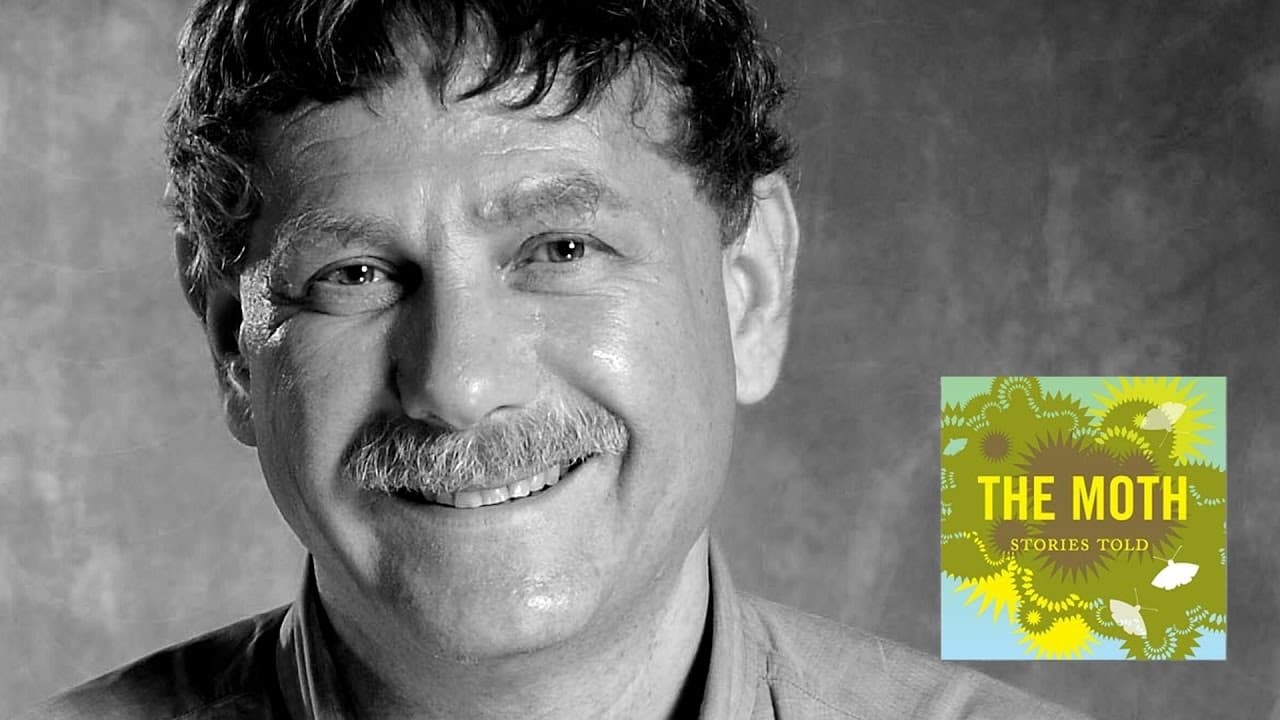
The Moth: Why I Teach - Eric Lander
TL;DR
DNA fingerprinting was analyzed in a pre-trial hearing, revealing flawed evidence, leading to the establishment of quality standards and the creation of the Innocence Project.
Transcript
ladies and gentlemen Eric Lander in January 1989 I got a phone call from scientific friend that the Cold Spring Harbor Laboratory in Long Island asking me if I'd come participate in the meeting but he was organizing on DNA fingerprinting and this was back in the days before DNA fingerprinting was a staple of CSI and Law & Order and in fact it was b... Read More
Key Insights
- 🧬 DNA fingerprinting was not widely accepted in courts during its initial stages and faced scrutiny due to unreliable evidence.
- 🥺 Flawed evidence in a specific case led to the establishment of quality standards for DNA fingerprinting.
- 🥺 The creation of the Innocence Project was a direct result of the flaws in DNA fingerprinting, leading to the exoneration of numerous wrongfully convicted individuals.
- 🎓 The case highlighted the importance of expert testimony and the potential impact of scientific analysis and education in legal proceedings.
Install to Summarize YouTube Videos and Get Transcripts
Explore YouTube Video Summarizer or Get YouTube Transcript Extractor
Questions & Answers
Q: How did the scientist become involved in the pre-trial hearing on DNA fingerprinting?
The scientist was invited to participate in the pre-trial hearing due to their expertise in human genetics and the human genome project.
Q: What were the issues with the x-ray films presented as evidence?
The x-ray films, which were supposed to show DNA fingerprinting results, appeared messy and did not match the expected patterns. The evidence was deemed unreliable and ineffective.
Q: What role did the scientist play in the case after the initial refusal to testify?
While the scientist initially refused to testify, they agreed to teach the lawyers involved about DNA analysis. They later testified after recognizing the flaws in the evidence.
Q: What were the outcomes of the pre-trial hearing and subsequent developments?
The pre-trial hearing led to the exclusion of the DNA evidence. It also prompted the establishment of quality standards for DNA fingerprinting and the creation of the Innocence Project, which has helped exonerate nearly 300 individuals.
Summary & Key Takeaways
-
In 1989, DNA fingerprinting was still a new and unreliable technique, and a pre-trial hearing was organized to assess its potential issues.
-
The evidence presented in the form of x-ray films was deemed to be "schmutz" and unreliable as it did not match the expected results of DNA fingerprinting.
-
The scientist reluctantly taught the lawyers involved in the case about DNA analysis, leading to the exposure of the flawed evidence and subsequent developments in DNA fingerprinting standards and the establishment of the Innocence Project.
Read in Other Languages (beta)
Share This Summary 📚
Summarize YouTube Videos and Get Video Transcripts with 1-Click
Try YouTube Summary with ChatGPT & Claude or YouTube Transcript Generator
Explore More Summaries from World Science Festival 📚



Summarize YouTube Videos and Get Video Transcripts with 1-Click
Try YouTube Summary with ChatGPT & Claude or YouTube Transcript Generator