Stanford scientists measure crop growth from space
TL;DR
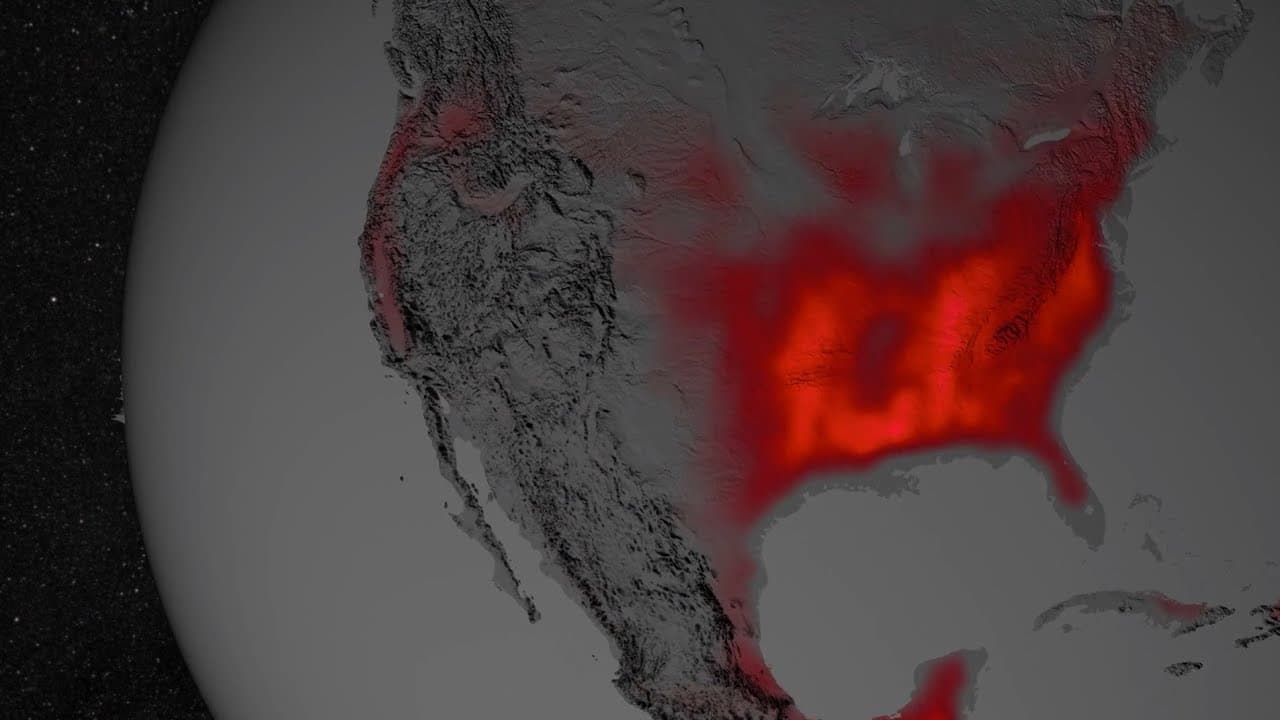
Scientists are using satellite measurements of plant fluorescence to gain insights into crop growth and productivity, allowing for better understanding of environmental responses and potential improvements in agriculture.
Transcript
we're interested in ways to measure better how plants are growing it's really useful to be able to do that from satellite because then you can do it in lots of places and over time the primary questions that we try to answer is that we try to understand how much crop grow in in the US and what is their productivity and how they respond to calm the ... Read More
Key Insights
- 🌱 Satellite measurements of plant fluorescence offer a new way to measure plant growth and photosynthesis, providing valuable insights into crop productivity.
- 🥘 This technology allows for monitoring of global food production and can be used to study vegetation responses to environmental changes in various locations.
- 🧑🔬 By directly measuring photosynthesis, scientists can better understand how plants utilize energy, enabling improvements in agriculture and crop management.
- 🦻 Fluorescence measurements provide short-term responses to environmental changes, aiding in identifying stressors and developing stress-resistant crops.
- 🛰️ The use of fluorescence measurements in satellite technology is relatively new, with dedicated satellites being launched for this specific purpose.
Install to Summarize YouTube Videos and Get Transcripts
Explore YouTube Video Summarizer or Get YouTube Transcript Extractor
Questions & Answers
Q: What is fluorescence and how is it being used to measure plant growth?
Fluorescence is a faint glow emitted by plants as they grow. Scientists have found a way to measure this fluorescence using satellites, providing a more accurate measure of plant growth and photosynthesis.
Q: How does satellite measurements of plant fluorescence help in understanding crop responses to environmental changes?
By monitoring fluorescence, scientists can capture short-term responses of plants to environmental changes, helping identify stresses that crops are responding to. This information is crucial for developing crops that can withstand such stresses.
Q: What is the significance of directly measuring photosynthesis through fluorescence?
Previous satellite approaches measured photosynthesis indirectly through plant color or structure. However, fluorescence allows for direct measurement of photosynthesis, providing valuable insights into how plants use energy and their overall productivity.
Q: How recent is the use of satellite-based fluorescence measurements for plant growth monitoring?
Satellites specifically designed to measure fluorescence have been launched in the past three years. This new technology is still in its early stages but holds immense potential for large-scale crop monitoring.
Summary & Key Takeaways
-
Researchers have developed a new way to measure plant growth by capturing the fluorescence emitted by plants as they grow, providing insights on crop productivity and response to environmental variability.
-
Satellite measurements of plant fluorescence allow for monitoring of plant growth in various locations and over time, providing valuable data for understanding global food production.
-
This new technology not only measures the size of plants but also enables direct measurement of photosynthesis, offering a more comprehensive understanding of how plants use energy.
Read in Other Languages (beta)
Share This Summary 📚
Summarize YouTube Videos and Get Video Transcripts with 1-Click
Try YouTube Summary with ChatGPT & Claude or YouTube Transcript Generator
Explore More Summaries from Stanford 📚



Summarize YouTube Videos and Get Video Transcripts with 1-Click
Try YouTube Summary with ChatGPT & Claude or YouTube Transcript Generator