How I Learn To Speak Foreign Languages Without Talking To People | Polyglot Language Learning Tips
TL;DR
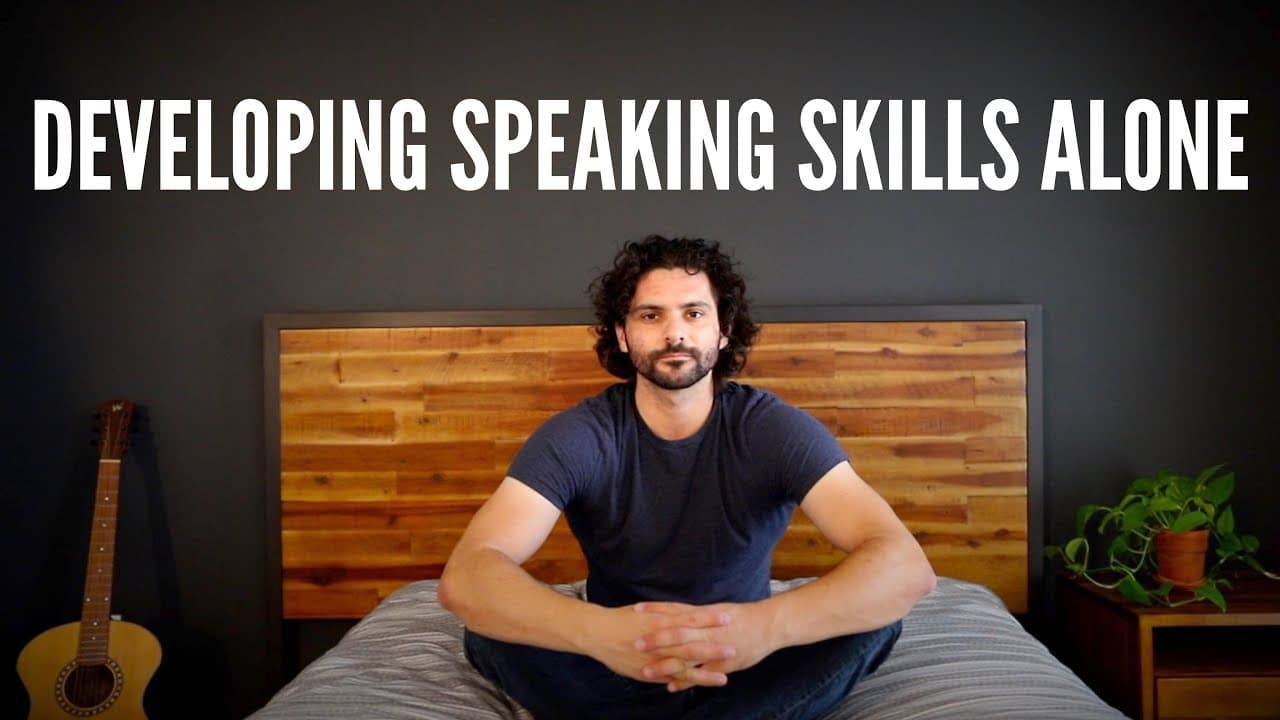
Learn how to develop strong speaking skills in different languages without actively engaging with native speakers or language exchange partners.
Transcript
hey everybody happy wednesday good news i have got just the most splendid cup of coffee today i pulled the perfect shot so well balanced have i ever told you how much i love coffee ah so over the years and especially over the last few months so many people have noticed and pointed out in the comments how when i learn languages i actually don't do a... Read More
Key Insights
- 🔇 Developing speaking skills in a language can be achieved without actively engaging with native speakers or language exchange partners.
- 💪 Building a strong foundation of fluency and confidence can be done independently through consistent practice and manipulation of sentences.
- 🤔 Thinking out loud in a language, especially when discussing emotions and opinions, can simulate genuine conversations and enhance speaking skills.
- 🤑 Analyzing and discussing favorite books, movies, or TV shows in the target language can provide rich language practice and foster a deeper understanding of the language.
- 😑 Writing down unfamiliar words or expressions and actively seeking their translations or equivalents contributes to expanding and refining speaking skills.
- ❓ By choosing an independent learning approach, individuals can feel more prepared and ready for authentic conversations when the opportunity arises.
- 🥺 Mistakes made during solo practice can be identified and corrected through self-reflection or recording sessions, leading to continuous improvement.
Install to Summarize YouTube Videos and Get Transcripts
Explore YouTube Video Summarizer or Get YouTube Transcript Extractor
Questions & Answers
Q: Why does the speaker not actively pursue conversations with native speakers in language learning?
The speaker believes in developing a strong foundation of basic fluency before engaging with native speakers. They prefer to wait for organic opportunities and enjoy genuine interactions when they are more prepared.
Q: What is the speaker's technique for developing speaking skills independently?
The speaker focuses on constant repetition, manipulating example sentences, and engaging in substitution exercises. They also advocate for thinking out loud in the target language, especially when discussing opinions and emotions.
Q: How does the speaker approach language learning using their technique?
The speaker starts by practicing pronunciation, rhythm, and intonation, and then manipulates sentences to express personal views and emotions. They also analyze favorite books, movies, or TV shows to discuss different perspectives and engage in thoughtful discussions with themselves.
Q: How does the speaker deal with unfamiliar words or expressions?
When encountering words or expressions they are unsure of, the speaker writes them down and makes an effort to find the natural way to express them. They then come back to their practice sessions more prepared and ready to incorporate the new vocabulary.
Key Insights:
- Developing speaking skills in a language can be achieved without actively engaging with native speakers or language exchange partners.
- Building a strong foundation of fluency and confidence can be done independently through consistent practice and manipulation of sentences.
- Thinking out loud in a language, especially when discussing emotions and opinions, can simulate genuine conversations and enhance speaking skills.
- Analyzing and discussing favorite books, movies, or TV shows in the target language can provide rich language practice and foster a deeper understanding of the language.
- Writing down unfamiliar words or expressions and actively seeking their translations or equivalents contributes to expanding and refining speaking skills.
- By choosing an independent learning approach, individuals can feel more prepared and ready for authentic conversations when the opportunity arises.
- Mistakes made during solo practice can be identified and corrected through self-reflection or recording sessions, leading to continuous improvement.
- Developing strong speaking skills independently can offer a sense of liberation and empowerment in language learning.
Summary & Key Takeaways
-
The content discusses the speaker's approach to language learning, which involves focusing on independent practice rather than actively seeking out conversations with native speakers.
-
The speaker shares personal experiences and reasons for this approach, emphasizing the importance of being ready for organic speaking opportunities.
-
Techniques for developing speaking skills on one's own are presented, including constant repetition, manipulating example sentences, engaging in substitution exercises, and thinking out loud in the target language.
Read in Other Languages (beta)
Share This Summary 📚
Summarize YouTube Videos and Get Video Transcripts with 1-Click
Try YouTube Summary with ChatGPT & Claude or YouTube Transcript Generator
Explore More Summaries from Robin MacPherson 📚
Summarize YouTube Videos and Get Video Transcripts with 1-Click
Try YouTube Summary with ChatGPT & Claude or YouTube Transcript Generator