Deconstructing The Myth Of Science - Part 1
TL;DR
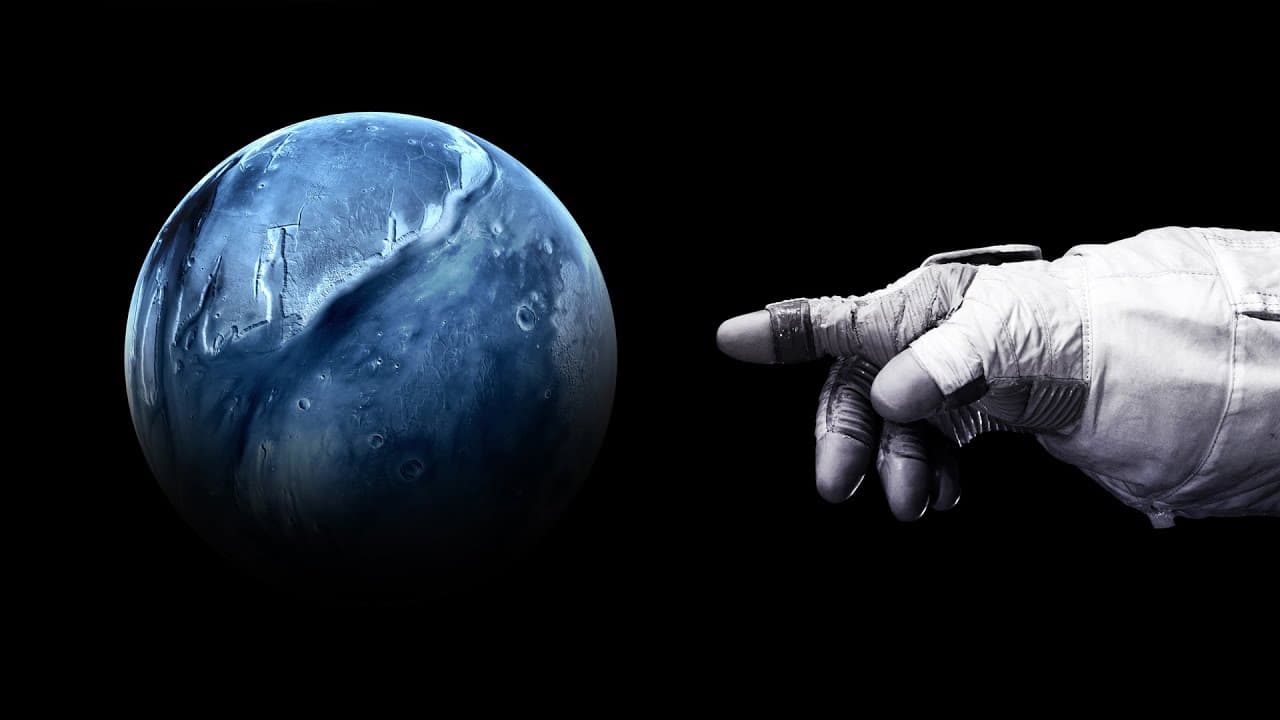
Explores science's foundational myths, contradictions, and limitations.
Transcript
all right here we go are you ready are you ready are you ready to deconstruct the greatest illusion spun by the mind of man science deconstructing the myth of science part one this is a four-part series on the epistemic and metaphysical foundations of science the limits of science and how to take science beyond science this is serious stuff here th... Read More
Key Insights
- Science is not an objective, monolithic method but a cultural construct with assumptions and biases.
- The distinction between science and pseudoscience is not clear-cut and is often culturally and historically influenced.
- Scientists often rely on faith in their methods without empirical validation of the scientific method itself.
- The scientific method is a subset of a larger pursuit of knowledge and is inherently relativistic.
- Many professional scientists unknowingly subscribe to pop cultural myths about science.
- There is a significant overlap and interplay between science and philosophy, contrary to popular belief.
- Science's success in technology creates an illusion of its infallibility and completeness in understanding reality.
- Critiques of science can come from a higher, more nuanced perspective, not just from ignorance or dogma.
Install to Summarize YouTube Videos and Get Transcripts
Explore YouTube Video Summarizer or Get YouTube Transcript Extractor
Questions & Answers
Q: Why is the speaker deconstructing science?
The speaker seeks to deconstruct science to reveal its foundational myths and limitations. By doing so, they aim to demonstrate that science is not the ultimate arbiter of truth, as it is often perceived. The speaker argues that science is a cultural construct with inherent biases and that its methods have not been empirically validated. This deconstruction is necessary to open up space for new ways of understanding reality beyond the confines of traditional science.
Q: What is the main critique of the scientific method?
The main critique is that the scientific method is not an objective, monolithic process as it is often portrayed. Instead, it is a culturally constructed set of assumptions that have not been empirically validated. The speaker argues that distinguishing between valid and invalid scientific methods is inherently subjective and influenced by cultural and historical factors. This challenges the notion that science can provide an objective understanding of reality.
Q: How does the speaker view the relationship between science and philosophy?
The speaker views science as a subset of philosophy, emphasizing that philosophical inquiry is crucial to understanding and improving scientific methods. Historically, science emerged from natural philosophy, and the speaker argues that dismissing philosophy as irrelevant to science is a misconception. Philosophy provides the meta-scientific framework necessary for questioning and refining the assumptions underlying scientific inquiry.
Q: What is the 'myth of science' according to the speaker?
The 'myth of science' refers to the cultural belief that science is the ultimate objective method for discovering truth. This myth posits that science is free from the epistemic errors of religion and ideology. The speaker argues that this belief is false, as science is subject to cultural, historical, and personal biases. The myth overestimates science's ability to provide a complete understanding of reality and ignores its limitations.
Q: Why does the speaker argue that science is similar to religion?
The speaker suggests that science is similar to religion in that both rely on unexamined assumptions and cultural beliefs. Scientists often have faith in the scientific method without empirical validation, much like religious adherents have faith in their doctrines. Both systems create a sense of authority and truth, which can lead to dogma and resistance to questioning foundational beliefs. This critique highlights the need for radical open-mindedness in scientific inquiry.
Q: How does the speaker suggest improving scientific inquiry?
The speaker suggests that improving scientific inquiry requires embracing radical open-mindedness and questioning deeply held assumptions about the scientific method. This involves recognizing the cultural and historical influences on scientific practices and being open to alternative ways of knowing. By expanding the scope of scientific inquiry to include philosophical and meta-scientific perspectives, science can evolve to better understand the complexities of reality.
Q: What role does culture play in shaping science?
Culture plays a significant role in shaping science by influencing the assumptions, methods, and interpretations used in scientific inquiry. The speaker argues that science is not immune to cultural and historical biases, which affect how scientific knowledge is constructed and understood. This cultural influence can lead to a narrow view of science that excludes alternative perspectives and methods, limiting the potential for a more comprehensive understanding of reality.
Q: What is the ultimate goal of the speaker's critique?
The ultimate goal of the speaker's critique is to challenge the perceived infallibility and completeness of modern science. By deconstructing the myths and limitations of science, the speaker aims to open up space for new ways of understanding reality that go beyond traditional scientific methods. This includes embracing philosophical inquiry, alternative epistemologies, and a broader pursuit of knowledge that includes subjective and experiential dimensions of reality.
Summary & Key Takeaways
-
This video is the first in a four-part series that examines the foundational myths, contradictions, and limitations of modern science. It questions the supposed objectivity and validity of the scientific method, highlighting that science is a cultural construct with inherent biases.
-
The speaker emphasizes that science is often misunderstood as an objective method, when in fact it is influenced by cultural, historical, and personal biases. The video argues for a broader understanding of science that includes philosophy and other ways of knowing.
-
The series aims to deconstruct the myth of science without introducing new dogmas. It suggests that true scientific inquiry requires radical open-mindedness and a willingness to question deeply held assumptions about reality and the methods used to investigate it.
Read in Other Languages (beta)
Share This Summary 📚
Summarize YouTube Videos and Get Video Transcripts with 1-Click
Try YouTube Summary with ChatGPT & Claude or YouTube Transcript Generator
Explore More Summaries from Actualized.org 📚




Summarize YouTube Videos and Get Video Transcripts with 1-Click
Try YouTube Summary with ChatGPT & Claude or YouTube Transcript Generator